


Best Red Light Therapy Routine for Athletes: A Practical Recovery Guide
Introduction
The best recovery routine is not the most extreme one. It is the one you can repeat.
For athletes, red light therapy works best when it moves out of the “interesting tool” category and into the “standard recovery habit” category. This guide shows how to make that happen.
Step 1: Define the Goal
Do not start with the device. Start with the outcome.
For most athletes, the goal is one or more of the following:
- Support recovery after hard training
- Reduce the drag of recurring soreness
- Improve readiness between sessions
- Create a more complete performance recovery system
Once the goal is clear, the routine becomes easier to build.
Step 2: Choose the Right Moments in Your Training Week
You do not need to use red light therapy randomly. Tie it to the sessions that create the most recovery demand.
Best times to use it often include:
- Heavy lower-body lifting days
- Repeated sprint sessions
- Long endurance efforts
- High-impact field or court sessions
- Competition days or the evening after competition
Step 3: Target the Areas That Carry the Most Load
Athletes should think about red light therapy regionally, not abstractly.
Start with the tissues that absorb the most stress in your sport:
Runners and field-sport athletes
Calves, quads, hamstrings, glutes, feet
Strength athletes
Quads, glutes, lower back, shoulders, elbows
Combat and court athletes
Shoulders, hips, back, legs, forearms
Step 4: Pair It With Existing Recovery Anchors
A great routine is easier to follow when it is attached to habits you already have.
Good anchors include:
- Right after your shower
- After your post-workout shake or meal
- During evening wind-down
- After mobility or breathwork
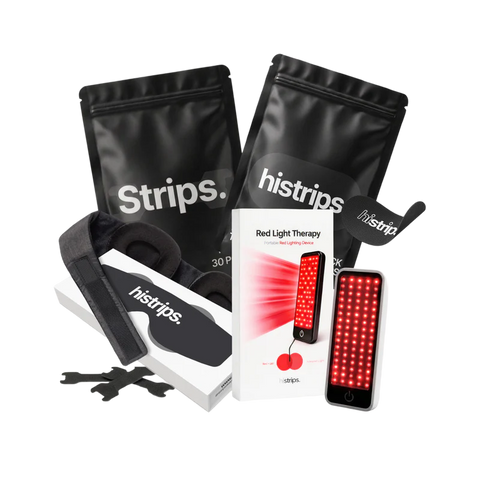
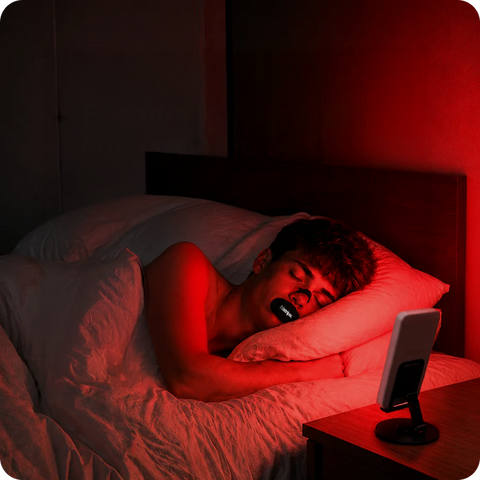
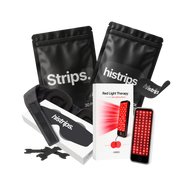
This is also where brand fit matters. HISTRIPS sits naturally in the performance-wellness category, so the HiStrips red and infrared recovery light panel can become part of a broader stack that includes breathing, sleep quality, and recovery discipline.
Step 5: Keep the Routine Simple
Complex recovery plans fail because athletes stop using them.
A practical red light therapy routine should be:
- Easy to repeat
- Time-efficient
- Linked to high-stress sessions
- Focused on the muscle groups that matter most
Sample Athlete Routine
Here is a simple example:
Monday: Heavy lower-body strength
Use the panel after training on quads, hamstrings, glutes, and calves.
Wednesday: Conditioning or sprint work
Use the panel after training on lower body and hips.
Friday: Upper-body strength or power
Use the panel after training on shoulders, chest, upper back, and elbows.
Saturday: Competition or long session
Use the panel in the evening as part of the recovery block.
What Athletes Should Track
If you want to know whether the routine is useful, track outcomes that matter:
- Perceived soreness the next day
- Readiness before key sessions
- Training consistency across the week
- Whether you feel less residual fatigue during dense blocks
You do not need perfect lab data. You need honest patterns.
Keep Claims Grounded
Red light therapy is not a replacement for sleep, nutrition, progressive loading, or coaching judgment. It is a recovery support tool. Used consistently, it may help athletes create better conditions for adaptation and training continuity.
That is the right way to frame it.
Final Take
The best red light therapy routine for athletes is simple, specific, and consistent. Focus on high-stress sessions, target the muscle groups that carry the most load, and use a quality panel as part of a complete recovery system.
CTA
If you want a straightforward, performance-focused recovery tool, explore the HiStrips red and infrared recovery light panel and build it into your weekly athlete recovery routine.


Leave a comment
This site is protected by hCaptcha and the hCaptcha Privacy Policy and Terms of Service apply.