







Best Sleep Schedule for Athletes: How Consistent Sleep Timing Supports Recovery
The best sleep schedule for athletes is the one they can repeat. Consistent sleep and wake times help recovery, mood, and next-day readiness more than chasing a perfect routine that keeps changing.
Reviewed: 2026-04-28 UTC. This article is educational and is not a diagnosis or treatment recommendation.
What a practical athlete sleep schedule looks like
- Aim for a similar bedtime and wake time on most days.
- Protect the final hour before bed from unnecessary stimulation.
- Keep naps short enough that they do not erode nighttime sleep pressure.
- When training starts early, shift the whole routine earlier rather than cutting sleep at the edges.
Why timing consistency matters
A stable schedule reduces “social jet lag,” where weekday and weekend timing drift too far apart. For athletes, that often means less morning grogginess and a smoother transition into training, study, work, or travel.
What to adjust first if the schedule is not working
| Problem | Useful first adjustment |
|---|---|
| Late sleep onset | Move wind-down earlier and reduce late light exposure |
| Repeated snoozing | Protect sleep opportunity rather than relying on alarms |
| Wake-ups from dry mouth or blocked nose | Review nasal airflow and bedroom air quality |
| Travel disruption | Anchor wake time and meal timing as quickly as possible |
Where HISTRIPS can fit
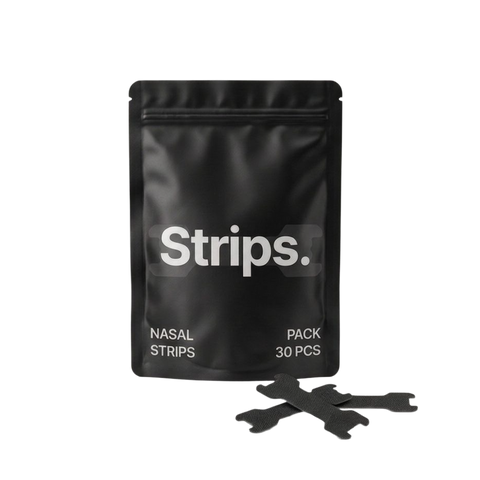
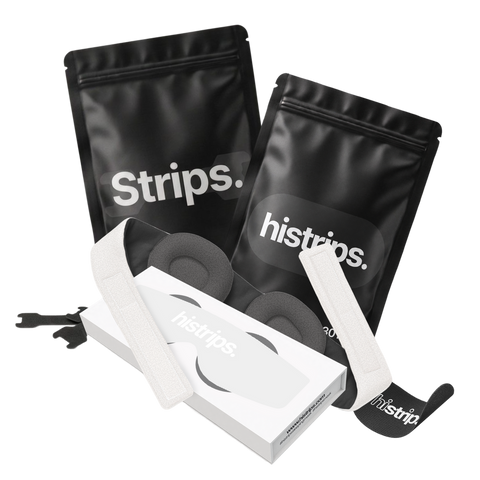
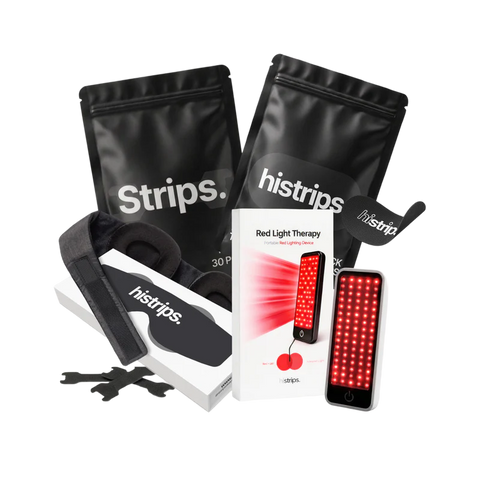
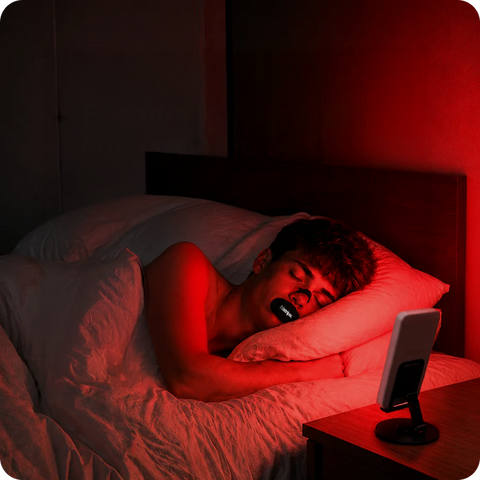
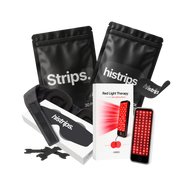
If the schedule itself is solid but a blocked-feeling nose makes overnight breathing uncomfortable, a nasal strip can be a low-friction support tool. It should not be positioned as a cure-all. It is most relevant when easier nasal airflow helps the athlete stick to an otherwise good routine.
FAQ
Should athletes sleep in on weekends?
Small differences are usually easier to manage than large swings. The goal is to avoid a pattern where weekend timing repeatedly resets the body clock.
Are naps enough to replace a short night?
Naps can help with alertness, but they do not fully replace a consistently short nighttime routine.
Can nasal strips fix a bad sleep schedule?
No. They may support comfort, but timing consistency remains the main lever.


Leave a comment
This site is protected by hCaptcha and the hCaptcha Privacy Policy and Terms of Service apply.