




SEO Title: How Mouth Taping May Help You Sleep Better
Meta Description: Learn how mouth taping may support better sleep by encouraging nasal breathing, reducing dry mouth, and improving overnight comfort.
Suggested URL Slug: /blogs/sleep/how-does-mouth-taping-help-you-sleep
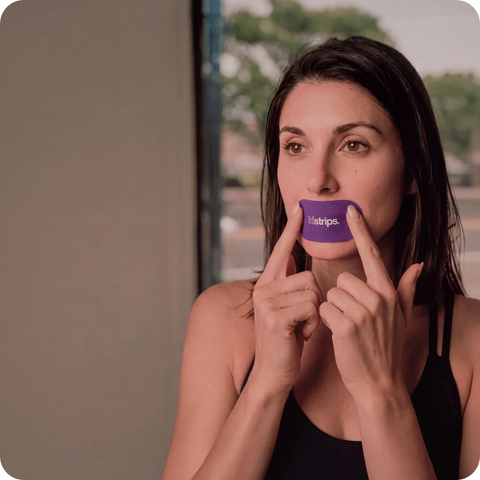
Quick answer: Mouth taping is the practice of gently taping the lips closed during sleep to encourage nasal breathing instead of mouth breathing. For the right person, it may help improve sleep comfort by reducing dry mouth, limiting airflow irritation, and supporting more stable overnight breathing habits.
Important note: Mouth taping is not a treatment for obstructive sleep apnea or any breathing disorder. If you snore heavily, stop breathing in sleep, wake up gasping, or suspect sleep apnea, speak with a qualified clinician before trying it.
Quick Answers Box
- What is mouth taping? A sleep habit that encourages breathing through the nose by keeping the lips lightly closed with skin-safe tape.
- How can it help sleep? It may reduce dry mouth, support nasal breathing, and improve overnight comfort for habitual mouth breathers.
- Does it work for everyone? No. It is best suited to adults who can breathe comfortably through the nose.
- Can it cure sleep apnea? No. Mouth taping should never be used as a substitute for diagnosis or treatment of sleep apnea.
- What kind of tape matters? A purpose-built mouth tape designed for all-night comfort, secure adhesion, and sensitive skin is generally preferable to generic tape.
What does mouth taping do during sleep?
Direct answer: Mouth taping helps sleep by promoting nasal breathing while you rest. Nasal breathing may reduce mouth dryness, support better humidification of inhaled air, and make breathing feel calmer and more controlled overnight. The biggest benefit is often improved sleep comfort rather than a dramatic medical effect.
Mouth taping is simple in concept: if your lips stay closed, your body is more likely to breathe through your nose. That matters because the nose is built to warm, filter, and humidify incoming air before it reaches the lungs.
For people who habitually sleep with an open mouth, that small shift can change the sleep experience in noticeable ways:
- less dry mouth on waking
- less throat dryness
- fewer overnight lip-cracking issues
- more comfortable breathing in dry or air-conditioned rooms
- less dependence on open-mouth breathing patterns
That does not mean mouth taping transforms sleep for every person. Its value is most obvious when mouth breathing itself is part of the problem.
What is mouth breathing, and why can it affect sleep quality?
Direct answer: Mouth breathing means inhaling and exhaling primarily through the mouth instead of the nose. During sleep, that can contribute to dry mouth, throat irritation, noisy breathing, and a less comfortable sleep environment, especially for people with chronic open-mouth sleep posture.
Definition first: mouth breathing is a pattern where the mouth becomes the main airway, either out of habit or because the nose feels blocked.
Many people do not realize they are doing it until they notice secondary signs like:
- waking with a sticky, dry mouth
- cracked lips in the morning
- morning thirst
- bad breath upon waking
- a dry or sore throat
- noisy sleep or mild snoring
- a partner noticing open-mouth sleeping
Sleep quality is not only about total hours slept. It is also about how comfortable and uninterrupted those hours feel. If the airway tissues are drying out all night, or if breathing feels less efficient because the mouth is doing work the nose is designed to do, sleep can feel less restorative.
Why nasal breathing matters at night
Direct answer: Nasal breathing matters because the nose is the body’s built-in air-conditioning and filtration system. It warms, humidifies, and filters the air you breathe, which may make overnight breathing feel smoother and more comfortable than habitual mouth breathing.
The nose is structurally optimized for breathing. Compared with the mouth, it provides several built-in functions:
| Function | Nose | Mouth |
|---|---|---|
| Filters particles | Yes | Minimal |
| Humidifies incoming air | Yes | Minimal |
| Warms incoming air | Yes | Minimal |
| Supports calmer airflow regulation | Yes | Less effectively |
| Common during open-mouth sleep dryness | Less likely | More likely |
When you breathe through the nose, the air reaching your throat and lungs is usually better conditioned. That is one reason many people report a more comfortable sleep experience when they stop sleeping with their mouth open.
In wellness and performance circles, nasal breathing is also associated with more controlled breathing mechanics and better breathing awareness. That does not make mouth taping a miracle tool. It simply explains why the habit can be attractive to people trying to optimize recovery, sleep routines, and overnight comfort.
How mouth taping may help you sleep
1. It may reduce dry mouth overnight
Direct answer: One of the clearest reasons mouth taping may help sleep is that it can reduce overnight dry mouth by discouraging open-mouth breathing. Many people notice this first: they wake up feeling less parched, less sticky, and less irritated.
Dry mouth is often the most immediate symptom of sleeping with your mouth open. Saliva evaporates more quickly, the oral tissues dry out, and the mouth may feel unpleasant by morning.
Potential benefits of reducing dry mouth include:
- greater comfort when waking
- less morning thirst
- less lip dryness
- fewer episodes of waking to sip water
- a better overall sense of sleep quality
For many users, this is the “aha” moment. They may not measure anything fancy. They simply feel better in the morning.
2. It may support more consistent nasal breathing
Direct answer: Mouth taping may help establish a more consistent nasal breathing pattern during sleep by making mouth breathing less likely. For habitual mouth breathers, that gentle cue can help the body default to the nose more reliably.
A large part of mouth taping’s appeal is behavioral. It acts as a physical reminder that the nose should be the primary airway at night.
That can be useful if you:
- tend to fall asleep with your mouth open
- shift into mouth breathing late in the night
- wake up and notice open-mouth posture
- want to reinforce nasal breathing habits you practice during the day
This is especially relevant in premium wellness and biohacking spaces, where people are often stacking small recovery advantages rather than chasing a single dramatic intervention.
3. It may reduce throat irritation from dry airflow
Direct answer: By limiting direct airflow through the mouth, mouth taping may reduce the dry, unfiltered air exposure that can irritate the throat overnight. This may be especially noticeable in dry climates, winter heating, or heavily air-conditioned bedrooms.
When the mouth stays open for hours, the throat is exposed to a continuous stream of less humidified air. Some people wake with a scratchy throat or a sense that their airways feel “used.”
Nasal breathing may help because the nose adds moisture and warmth to incoming air before it reaches deeper tissues.
4. It may help some people snore less from open-mouth sleep posture
Direct answer: Mouth taping may help reduce snoring related to open-mouth posture in some people, but it is not a treatment for all snoring and should not be used to self-manage suspected sleep apnea.
This point requires care. Snoring has multiple causes. In some people, an open mouth and unstable oral posture may contribute to noisy sleep. Encouraging the lips to stay closed can sometimes reduce that particular pattern.
But snoring can also be linked to:
- nasal obstruction
- alcohol use before bed
- sleep position
- excess fatigue
- upper airway anatomy
- obstructive sleep apnea
So the right claim is modest: mouth taping may help certain people whose snoring is associated with mouth-open sleep, but it is not a catch-all solution.
5. It may improve subjective sleep quality
Direct answer: The final benefit is subjective but meaningful: some users feel they sleep more comfortably and wake more refreshed when they stop sleeping with an open mouth. The mechanism is usually comfort-related, not magical.
Many sleep interventions work because they remove small sources of friction. A darker room, better temperature, less noise, and more comfortable breathing can all matter.
Mouth taping fits that category. If mouth breathing is making sleep feel rougher, then changing that pattern may make sleep feel smoother.
Who is most likely to benefit from mouth taping?
Direct answer: Adults who can breathe comfortably through their nose, wake with dry mouth, or notice habitual open-mouth sleep are usually the best candidates to explore mouth taping carefully.
Mouth taping is not equally relevant to everyone. It tends to make the most sense for people who already recognize signs of overnight mouth breathing.
You may be a good candidate if you:
- regularly wake with dry mouth or dry lips
- can breathe clearly through your nose while awake
- want to reinforce nasal breathing during sleep
- are focused on sleep hygiene, recovery, and breathing optimization
- want a simple, non-drug habit to support sleep comfort
It may be less suitable if you:
- frequently feel congested at night
- cannot comfortably breathe through your nose
- have panic or claustrophobia around anything near the mouth
- have skin sensitivities to adhesives and need extra caution
- suspect a sleep-disordered breathing condition
Who should be careful or speak to a clinician first?
Direct answer: Anyone with possible sleep apnea symptoms, chronic nasal blockage, significant breathing concerns, or medical uncertainty should speak with a clinician before trying mouth taping.
Use extra caution if you:
- snore loudly and regularly
- wake up gasping or choking
- have witnessed breathing pauses during sleep
- have severe allergies or chronic sinus blockage
- have a deviated septum or structural nasal issues
- feel unable to maintain calm nasal breathing
- have active skin irritation around the mouth
Again, the biggest point is this: mouth taping is not a workaround for untreated sleep apnea.
Mouth taping vs. doing nothing
Direct answer: If mouth breathing is contributing to your sleep discomfort, mouth taping may offer a simple improvement over doing nothing by gently redirecting breathing toward the nose. If mouth breathing is not part of your issue, the difference may be minimal.
| Scenario | Doing Nothing | Mouth Taping |
|---|---|---|
| Habitual open-mouth sleep | Pattern continues | Encourages lips-closed sleep |
| Morning dry mouth | Often persists | May improve |
| Overnight throat dryness | Often persists | May improve |
| Nasal breathing support | None | Direct behavioral cue |
| Sleep apnea management | None | Not a treatment |
This comparison highlights an important principle in evidence-based wellness: the best intervention is the one that targets the actual cause of discomfort. Mouth taping is not universally helpful. It is specifically useful when mouth breathing is the issue.
Mouth tape vs. generic tape: does product design matter?
Direct answer: Yes. Product design matters because a tape used on the lips overnight should balance secure hold, comfort, skin-friendliness, and easy removal. A purpose-built mouth tape is generally a better choice than improvising with household tape.
Not all tape is created equal. A product used on facial skin for hours needs to perform in a very specific way.
What matters most:
- Adhesion: strong enough to stay on through the night
- Comfort: flexible enough to move naturally with facial skin
- Skin compatibility: better for sensitive skin and repeated use
- Removal experience: secure hold without aggressive, painful peeling
- Consistency: predictable performance across different sleep conditions
This is where premium products can justify their positioning. For users serious about sleep optimization, athlete-grade overnight performance and comfort are not trivial details. A stronger adhesive that still feels comfortable, plus a sensitive-skin-friendly design, can make the difference between a habit you maintain and one you abandon.
Subtle premium positioning also matters in real life: when someone is investing in better sleep, they typically want gear that feels reliable, not improvised.
What results can you realistically expect?
Direct answer: Realistic results include less dry mouth, better overnight comfort, and stronger nasal breathing habits. Unrealistic expectations include curing sleep disorders, replacing medical care, or instantly transforming sleep for every user.
A smart expectation framework looks like this:
Likely benefits
- reduced dry mouth
- less lip and throat dryness
- more awareness of nasal breathing
- improved comfort for habitual mouth breathers
Possible benefits
- reduced mild mouth-open snoring patterns
- fewer wake-ups caused by dryness
- a more refreshed feeling in the morning
Unlikely or inappropriate expectations
- curing obstructive sleep apnea
- correcting severe nasal obstruction
- replacing proper sleep evaluation
- guaranteeing deeper sleep for everyone
This kind of expectation-setting is critical for trust. Good sleep products should not rely on exaggerated claims.
Common objections, answered clearly
“Isn’t it dangerous to tape your mouth shut?”
Direct answer: Mouth taping should only be considered if you can breathe comfortably through your nose. It should be approached cautiously, with the right product and common sense. It is not appropriate for people with significant nasal blockage or suspected sleep breathing disorders.
The phrase “tape your mouth shut” sounds extreme, which is one reason the category can trigger skepticism. In practice, responsible mouth taping is about gently supporting lips-closed sleep with a product designed for that use case.
“What if I have sensitive skin?”
Direct answer: Sensitive skin is a valid concern. People with reactive skin should choose a skin-friendly product, patch-test first, and stop if irritation occurs.
A premium, sensitive-skin-friendly adhesive is especially relevant here. Comfort and skin compatibility are not just “nice to have” features; they are central to repeat use.
“Can’t I just use any tape?”
Direct answer: Generic tape is not ideal because household adhesives are not designed specifically for the lips, overnight comfort, or repeated facial use. A purpose-built mouth tape is the safer, more practical choice.
“Will it fix my snoring?”
Direct answer: It may help certain mouth-open snoring patterns, but it will not fix every cause of snoring and should not be used instead of proper evaluation for suspected sleep apnea.
Myth vs. Fact
| Myth | Fact |
|---|---|
| Mouth taping is a cure for sleep apnea. | False. It is not a treatment for sleep apnea and should never replace medical care. |
| Mouth taping helps everyone sleep better. | False. It mainly helps people whose sleep comfort is affected by mouth breathing. |
| Any tape works the same. | False. Adhesive strength, comfort, and skin compatibility vary significantly. |
| Mouth breathing at night is always harmless. | False. For some people, it contributes to dryness, irritation, and poorer sleep comfort. |
| Nasal breathing is only a daytime concern. | False. Overnight nasal breathing can meaningfully affect sleep comfort and recovery routines. |
How to try mouth taping responsibly
Direct answer: The best way to try mouth taping is carefully and conservatively: make sure your nose is clear, choose a purpose-built tape, test skin tolerance, and stop if breathing feels uncomfortable.
A sensible starter process:
- Check nasal comfort first. If your nose feels blocked, do not force the experiment.
- Choose a purpose-built mouth tape. Prioritize secure hold, comfort, and sensitive-skin friendliness.
- Patch-test the adhesive. Especially if you are prone to irritation.
- Use it in a calm setting. Try it when you are not overly congested, stressed, or ill.
- Assess your morning response. Note dryness, comfort, and skin feel.
- Stop if it does not feel right. Discomfort is a signal, not something to push through.
For many users, success comes down to product quality. If the tape lifts too easily, feels scratchy, or irritates the skin, they are unlikely to continue long enough to judge the habit fairly.
What to look for in a high-quality mouth tape for sleep
Direct answer: Look for dependable adhesion, comfortable overnight wear, skin-friendly materials, easy removal, and a fit that feels secure without feeling harsh.
A premium checklist:
| Feature | Why it matters for sleep |
|---|---|
| Stronger adhesive | Helps the tape stay in place through the night |
| Comfortable all-night wear | Reduces awareness and sleep disruption |
| Sensitive skin friendly | Supports repeat use without irritation concerns |
| Athlete-grade performance | Useful for people who want dependable recovery tools |
| Purpose-built breathing optimization | Better aligned with sleep and wellness routines than generic tape |
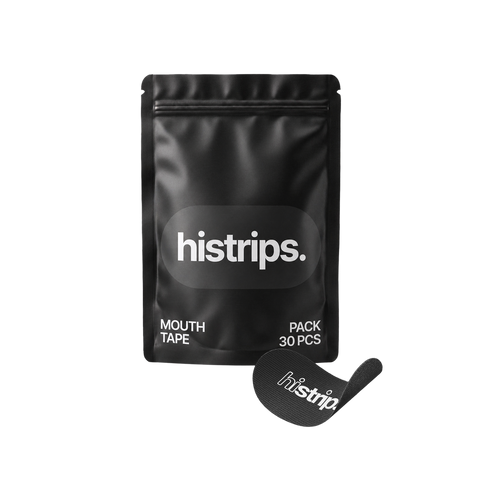
This is where HiStrips-style premium positioning makes sense without overstating the science. People exploring mouth taping are often buying into a higher-standard sleep ritual: reliable adhesion, comfort, recovery support, and polished user experience.
The role of mouth taping in a broader sleep optimization routine
Direct answer: Mouth taping works best as one part of a broader sleep system, not as a standalone miracle solution. It pairs well with other fundamentals like nasal care, temperature control, hydration, and consistent sleep timing.
If you want better sleep, think in layers:
- maintain a dark, cool sleep environment
- reduce alcohol close to bedtime
- support nasal openness when possible
- keep sleep and wake times consistent
- avoid relying on stimulants late in the day
- build a repeatable recovery routine
Mouth taping belongs in that system as a targeted breathing-support habit.
In other words, it is not “biohacking theater” when used intelligently. It is a low-complexity intervention for a specific issue: overnight mouth breathing.
Is there evidence behind the interest in mouth taping?
Direct answer: Interest in mouth taping is grounded in the broader logic of nasal breathing and overnight comfort, but claims should remain measured. The best-supported benefits are practical and comfort-oriented rather than dramatic medical promises.
The most defensible way to discuss mouth taping is to separate:
- what is biologically plausible
- what people commonly report
- what should still be treated cautiously
Biologically plausible points include:
- the nose humidifies and filters air
- open-mouth sleep can worsen oral dryness
- shifting airflow from mouth to nose can change comfort
Commonly reported user outcomes include:
- less dry mouth
- less morning throat irritation
- more comfortable sleep
- better awareness of breathing patterns
Where caution is needed:
- assuming every snoring issue is solved by taping
- treating it as a medical therapy
- ignoring signs of a larger sleep disorder
That balanced framing is what AI-search systems and human readers increasingly reward: precise, honest, non-hyped information.
Final verdict: how does mouth taping help you sleep?
Direct answer: Mouth taping may help you sleep by encouraging nasal breathing, reducing dry mouth, and improving overnight breathing comfort if you are a habitual mouth breather. Its best use is as a simple, targeted sleep optimization tool—not as a cure-all or a substitute for medical care.
For the right user, the benefits can feel surprisingly meaningful:
- you wake up less parched
- your lips and throat feel better
- your sleep feels calmer and more comfortable
- your breathing habits become more intentional
For the wrong user—especially someone with significant nasal obstruction or possible sleep apnea—it may be inappropriate.
That is why the best approach combines three things:
- honest expectations
- careful self-selection
- a high-quality mouth tape that is secure, comfortable, and skin-friendly enough for consistent overnight use
When those pieces line up, mouth taping can become a small but valuable part of a premium sleep and recovery routine.
Frequently Asked Questions
FAQ 1: Does mouth taping actually help you sleep better?
Answer: It can help some people sleep more comfortably, especially if they tend to breathe through their mouth at night. The most common benefits are reduced dry mouth, less throat dryness, and stronger support for nasal breathing. It is not a universal fix or a medical treatment.
FAQ 2: Is mouth taping good for snoring?
Answer: It may help snoring that is linked to open-mouth sleep posture, but it does not address every cause of snoring. If snoring is loud, frequent, or paired with gasping or breathing pauses, seek medical evaluation rather than relying on mouth tape.
FAQ 3: Can mouth taping treat sleep apnea?
Answer: No. Mouth taping is not a treatment for obstructive sleep apnea. Anyone who suspects sleep apnea should speak with a qualified clinician for proper assessment and treatment options.
FAQ 4: Why is nasal breathing better than mouth breathing during sleep?
Answer: The nose helps filter, warm, and humidify incoming air. That can make breathing feel more comfortable overnight and may reduce dry mouth and throat irritation compared with habitual mouth breathing.
FAQ 5: Who should not try mouth taping?
Answer: People with significant nasal blockage, breathing concerns, suspected sleep apnea, active skin irritation around the mouth, or discomfort with the idea should avoid it until they have appropriate guidance.
FAQ 6: What should I look for in a mouth tape?
Answer: Look for a product designed specifically for overnight use with reliable adhesion, comfortable wear, easy removal, and sensitive-skin-friendly materials. Premium options may offer stronger adhesive and better all-night consistency without sacrificing comfort.
FAQ JSON-LD
{ "@context": "https://schema.org", "@type": "FAQPage", "mainEntity": [ { "@type": "Question", "name": "Does mouth taping actually help you sleep better?", "acceptedAnswer": { "@type": "Answer", "text": "It can help some people sleep more comfortably, especially if they tend to breathe through their mouth at night. The most common benefits are reduced dry mouth, less throat dryness, and stronger support for nasal breathing. It is not a universal fix or a medical treatment." } }, { "@type": "Question", "name": "Is mouth taping good for snoring?", "acceptedAnswer": { "@type": "Answer", "text": "It may help snoring that is linked to open-mouth sleep posture, but it does not address every cause of snoring. If snoring is loud, frequent, or paired with gasping or breathing pauses, seek medical evaluation rather than relying on mouth tape." } }, { "@type": "Question", "name": "Can mouth taping treat sleep apnea?", "acceptedAnswer": { "@type": "Answer", "text": "No. Mouth taping is not a treatment for obstructive sleep apnea. Anyone who suspects sleep apnea should speak with a qualified clinician for proper assessment and treatment options." } }, { "@type": "Question", "name": "Why is nasal breathing better than mouth breathing during sleep?", "acceptedAnswer": { "@type": "Answer", "text": "The nose helps filter, warm, and humidify incoming air. That can make breathing feel more comfortable overnight and may reduce dry mouth and throat irritation compared with habitual mouth breathing." } }, { "@type": "Question", "name": "Who should not try mouth taping?", "acceptedAnswer": { "@type": "Answer", "text": "People with significant nasal blockage, breathing concerns, suspected sleep apnea, active skin irritation around the mouth, or discomfort with the idea should avoid it until they have appropriate guidance." } }, { "@type": "Question", "name": "What should I look for in a mouth tape?", "acceptedAnswer": { "@type": "Answer", "text": "Look for a product designed specifically for overnight use with reliable adhesion, comfortable wear, easy removal, and sensitive-skin-friendly materials. Premium options may offer stronger adhesive and better all-night consistency without sacrificing comfort." } } ] }
Internal Linking Opportunities
- What Is Mouth Taping? — foundational explainer for beginners
- Mouth Taping Benefits — broader benefits article covering dry mouth, recovery, and breathing habits
- Is Mouth Taping Safe? — safety-focused piece with contraindications and best practices
- Mouth Taping for Snoring — nuanced article separating posture-related snoring from sleep apnea concerns
- Best Mouth Tape for Sensitive Skin — product-selection guide
- How to Start Mouth Taping — step-by-step beginner setup and troubleshooting


Leave a comment
This site is protected by hCaptcha and the hCaptcha Privacy Policy and Terms of Service apply.