






How Nasal Strips Support Better Airflow During Sleep
Why people use nasal strips for snoring
The reason nasal strips get attention is simple: they work mechanically rather than chemically. By gently lifting the outer nasal walls, they can help create more space for airflow during sleep.
Snoring happens when airflow meets resistance and soft tissues vibrate. That resistance can come from several places, but the nose is an important starting point. If nasal breathing feels restricted, some sleepers shift toward noisier breathing patterns during the night. A nasal strip cannot solve every snoring scenario, but it can be highly relevant when reduced nasal airflow is part of the picture.
How nasal strips work
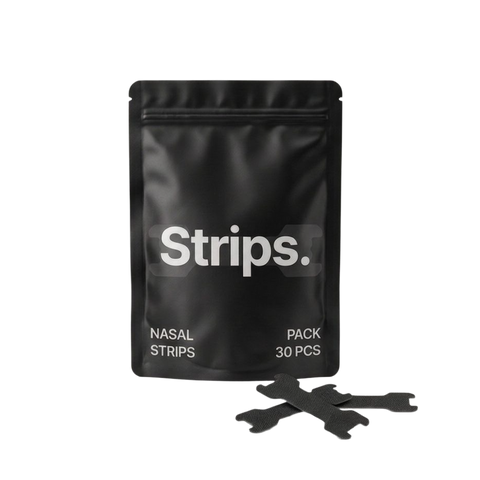
Nasal strips are designed to sit across the bridge and sides of the nose. The structure of the strip applies a gentle outward pull that helps widen the nasal passage externally. This may make nasal breathing feel easier for some users, especially when the issue is linked to nighttime stuffiness, narrow nasal passages, or congestion-related resistance.
The advantage of this approach is that it is straightforward and non-invasive. There is no device to charge and no complicated learning curve. You apply the strip, assess comfort, and see whether it reduces the conditions that contribute to snoring.
When nasal strips are most effective
Nasal strips tend to make the most sense when:
- snoring is worse during periods of nasal congestion
- the sleeper feels blocked or stuffy when lying down
- there is a clear mouth-breathing pattern linked to poor nasal airflow
- the goal is to try a simple first-step solution before exploring more involved options
They may be less helpful if the main source of snoring is unrelated to the nose. That is why careful positioning matters: nasal strips fit best as a targeted airflow tool, not as an all-purpose promise.
Getting the best adhesion overnight
Overnight hold is one of the biggest reasons people love or abandon nasal strips. A few practical steps help:
- Clean and dry the skin before application.
- Avoid applying immediately over skincare oils or heavy moisturizers.
- Place the strip according to the product instructions so the tension sits where support is needed.
- Press and hold briefly to improve contact.
- Choose a strip built for stronger overnight wear if you move a lot, sweat, or sleep on your side.
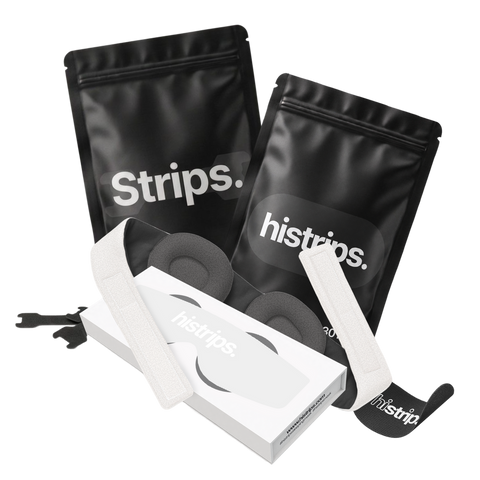
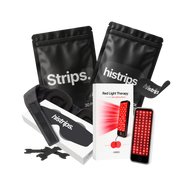
This is where product quality matters. HiStrips can be positioned naturally as an athletic-grade nasal strip option because the brand emphasizes durable, skin-friendly overnight adhesion. That is especially relevant for heavy sleepers who need a strip that remains secure rather than peeling away halfway through the night.
Where mouth tape may fit
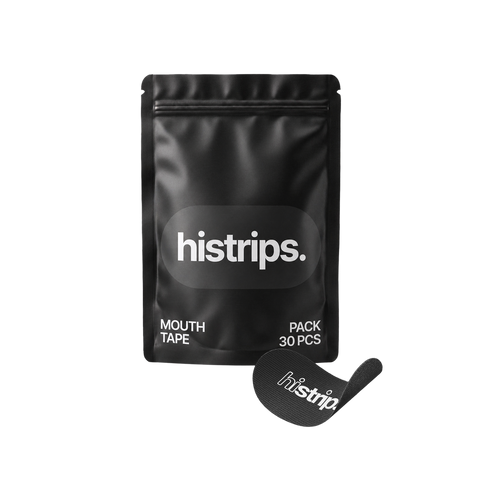
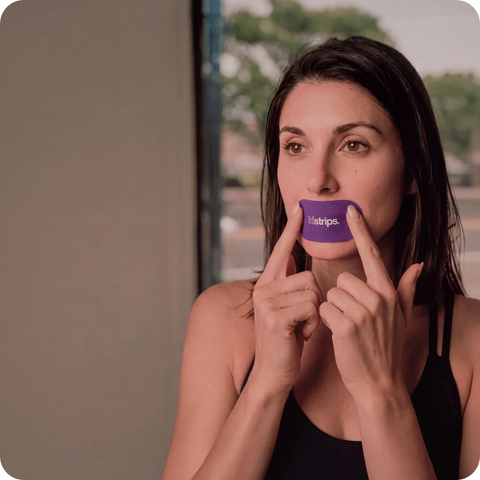
In some routines, nasal strips are paired thoughtfully with mouth tape when the goal is to support a more nasal-breathing-oriented sleep setup. That pairing should be positioned carefully and practically. The main point is not hype—it is creating a lower-friction bedtime routine that supports airflow and comfort.
Final take
The most useful way to think about how nasal strips support better airflow during sleep is this: nasal strips are a simple mechanical tool that may reduce snoring when the nose is part of the problem. They are easy to test, easy to understand, and most effective when fit, placement, and adhesion are all handled well.
CTA
If you want a premium strip designed for real overnight wear, explore HiStrips nasal strips for a durable, skin-friendly option built to stay on through the night—even for restless or heavy sleepers.
---


Leave a comment
This site is protected by hCaptcha and the hCaptcha Privacy Policy and Terms of Service apply.