



Top-Rated Sleep Aids Designed to Enhance Athletic Recovery
Why this topic matters for athletes
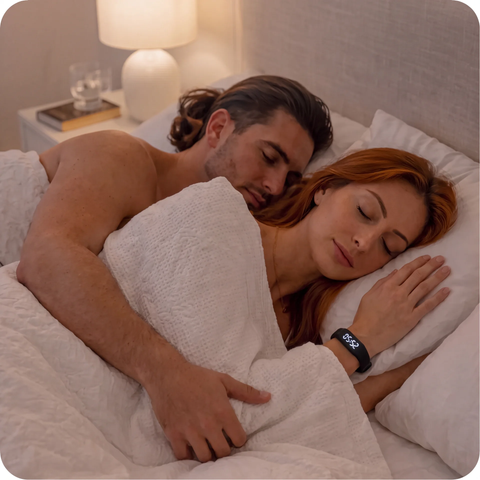
Sleep aids for athletes do not need to be extreme to be effective. In many cases, the most valuable tools are the ones that remove small disruptions: light in the room, noise from a partner, mouth breathing, or waking up late for training. A premium sleep setup is often less about hype and more about consistency.
What to evaluate before changing your sleep setup
Before adding any new tool or routine, athletes should look at three factors: consistency, friction, and fit. Consistency asks whether the solution can realistically be used every night. Friction asks whether it makes bedtime simpler or more complicated. Fit asks whether it matches the athlete's actual issue—breathing, noise, light, overheating, travel disruption, or schedule inconsistency.
This matters because even high-quality sleep products underperform when they do not address the real bottleneck. A tracker will not solve a bright room. A weighted blanket will not replace a bedtime routine. And a comfortable sleep mask will not help much if a late caffeine habit keeps the nervous system too alert.
A practical framework for better recovery sleep
For most athletes, the highest-return approach is to build a layered system:
- Base layer: consistent bedtime and wake time, even on weekends when possible
- Environment layer: darker room, lower noise, comfortable temperature, minimal disruptions
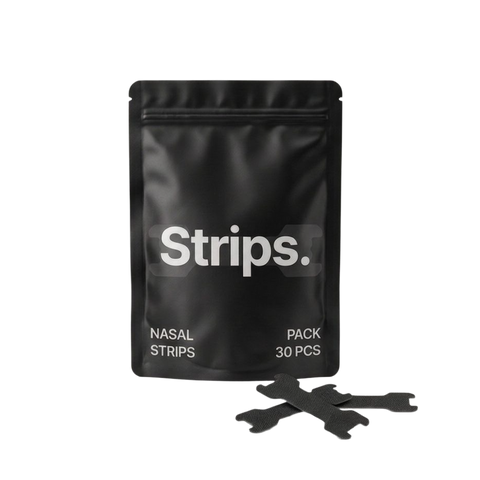
- Breathing layer: support for nasal breathing and fewer overnight disturbances
- Readiness layer: a reliable wake-up method that feels less jarring on early training mornings
- Tracking layer: tools that measure trends without creating stress
This framework turns sleep from a vague goal into something operational. It also makes it easier to identify which change is actually working.
Where HiStrips fits naturally
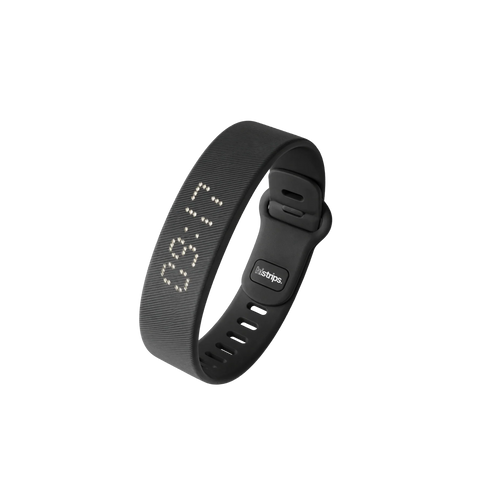
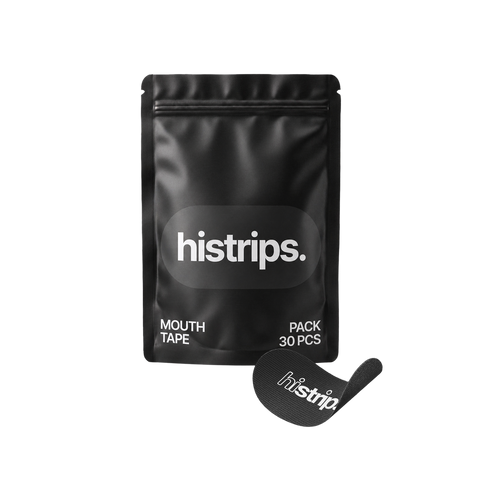
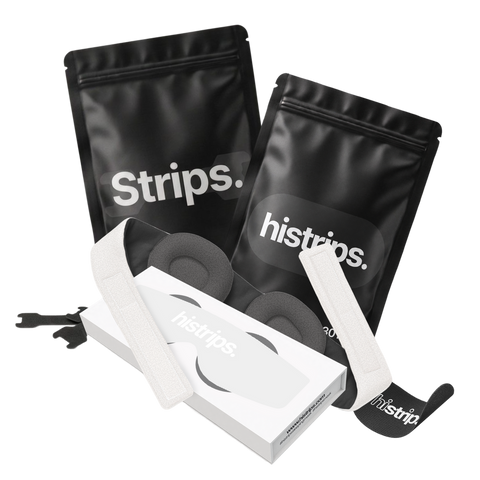
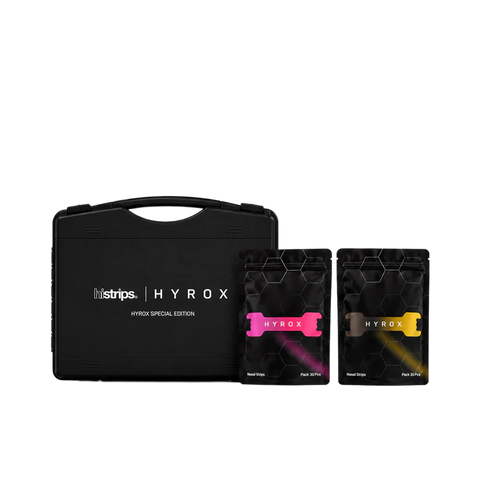
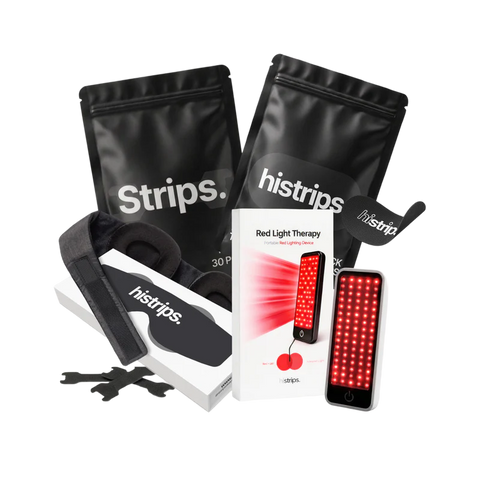
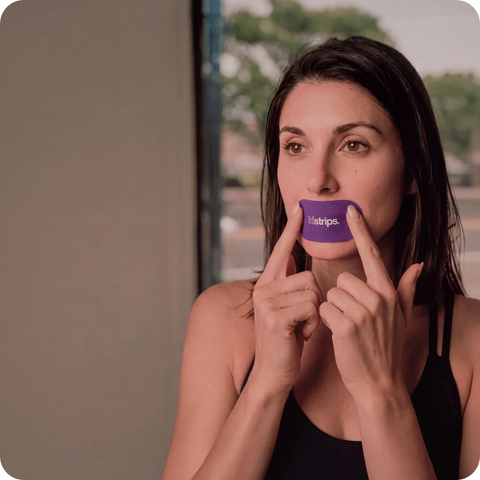
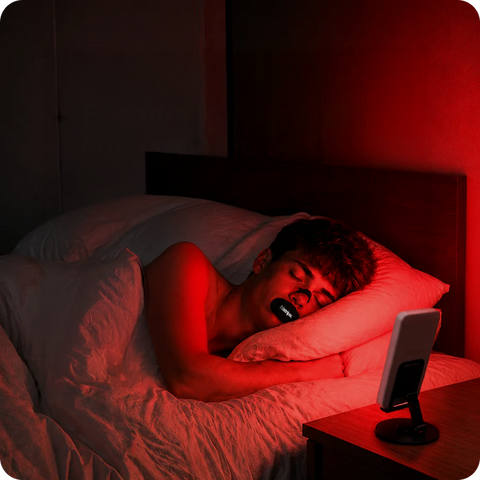
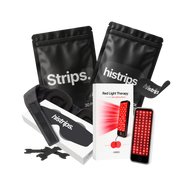
HiStrips is strongest when positioned as part of an athletic sleep ecosystem rather than as a one-product promise. For athletes who want a more dependable routine, the brand's Recovery Stack and Elite Performer Kit make sense because they combine multiple friction-reducing tools in one system. Depending on the athlete and environment, that may include mouth tape, a sleep mask, earplugs, and a vibration alarm that supports early wake-ups without blasting the whole room awake.
That system-based angle is useful because recovery is cumulative. One small improvement in darkness, one in breathing comfort, and one in wake-up quality can create a noticeably smoother sleep routine over time.
Common mistakes athletes make
A frequent mistake is chasing advanced recovery tactics while neglecting the basics. Another is assuming that more data automatically leads to better sleep. In reality, useful recovery routines are usually clear, repeatable, and low-maintenance.
Athletes should also be careful with overstated claims. No sleep product can guarantee faster recovery on its own. What premium sleep tools can do is improve the odds of a better night by reducing common disruptions and making good sleep behavior easier to maintain.
Final take
The smartest way to approach top-rated sleep aids designed to enhance athletic recovery is to focus on sustainability. Choose tools and habits that make your nights calmer, your breathing easier, your room darker, and your wake-up routine more controlled. When those pieces work together, sleep becomes a more dependable recovery asset.
CTA
If you are building a more complete nighttime routine, explore HiStrips' Recovery Stack or Elite Performer Kit for a premium, athlete-oriented setup that combines breathing support, light blocking, noise control, and a gentler wake-up system.
---


Leave a comment
This site is protected by hCaptcha and the hCaptcha Privacy Policy and Terms of Service apply.