



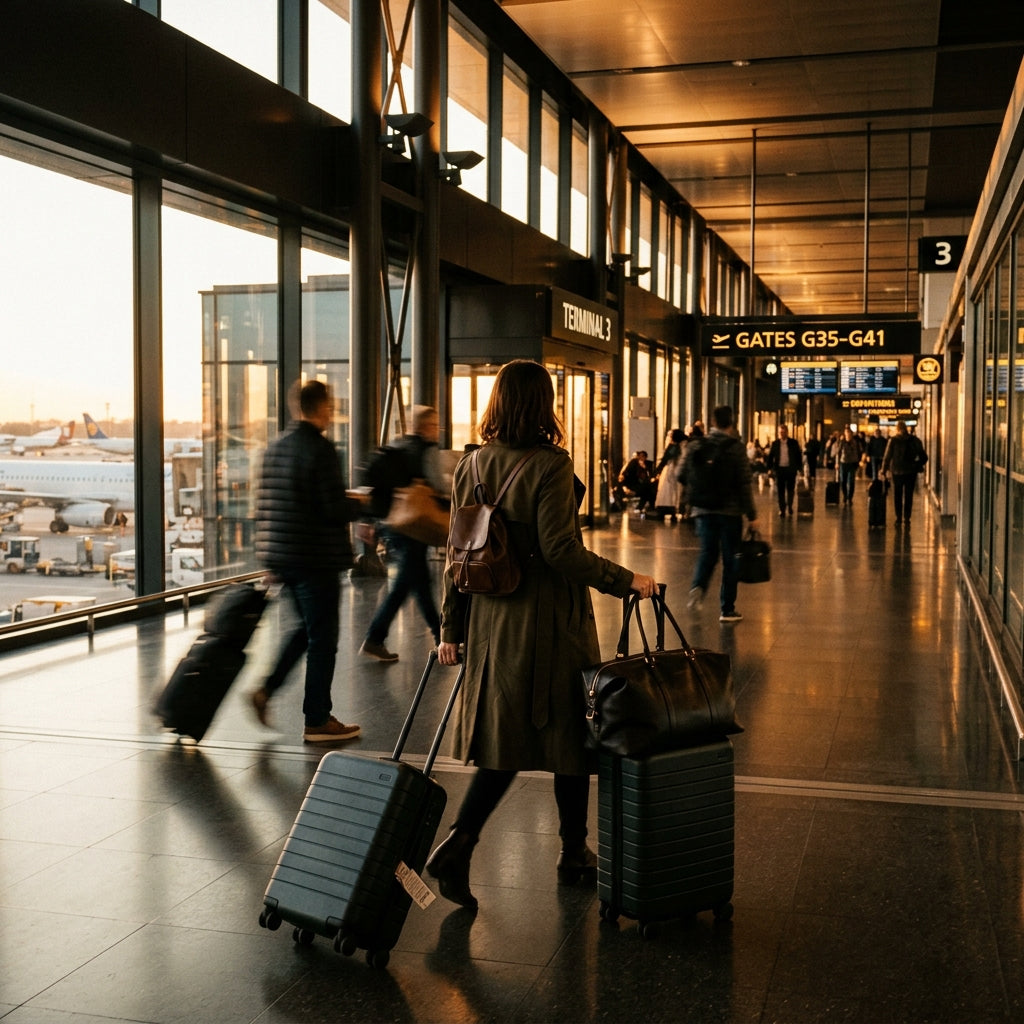
Jet lag is one of the most underestimated performance variables in international competition. Research documents 2-7% decrements in physical performance during peak jet lag. For athletes where margins are fractions, this is the difference between podium and fourth.
The Physiology
Your circadian clock takes 1-1.5 days per time zone crossed to fully realign. During this window, peak performance timing, sleep architecture, cortisol rhythm, and cognitive processing are all misaligned with local time. Eastward travel is harder — the internal clock naturally runs slightly longer than 24 hours.
The Protocol
3 days pre-flight: Shift sleep schedule 1 hour/day toward destination time. Begin strategic light exposure management.
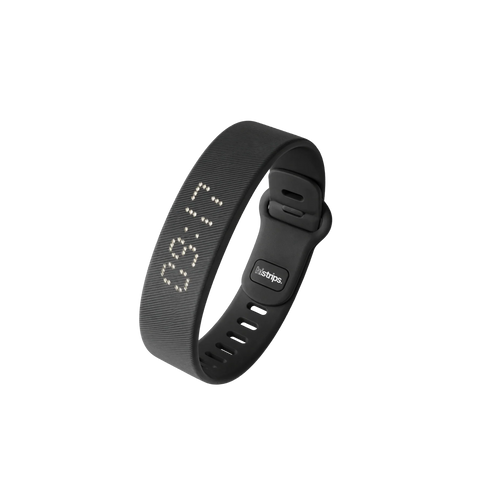
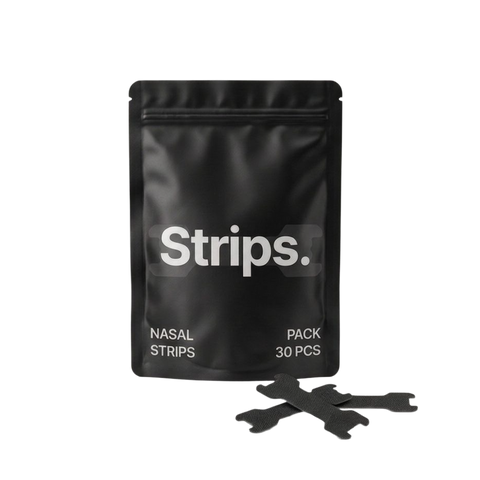
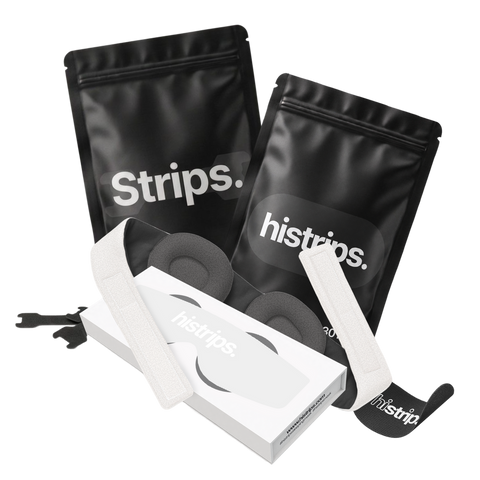
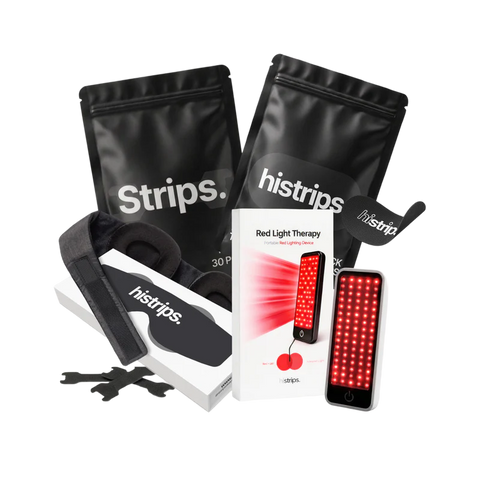
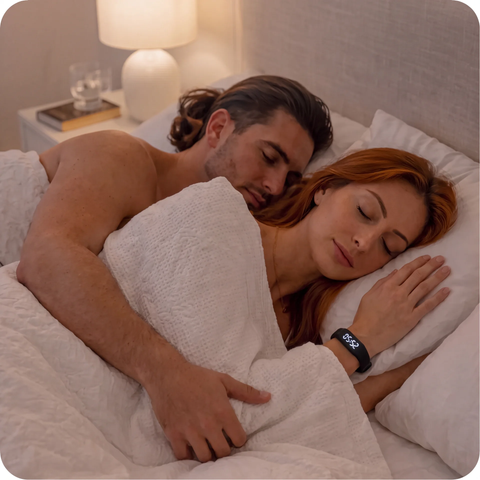
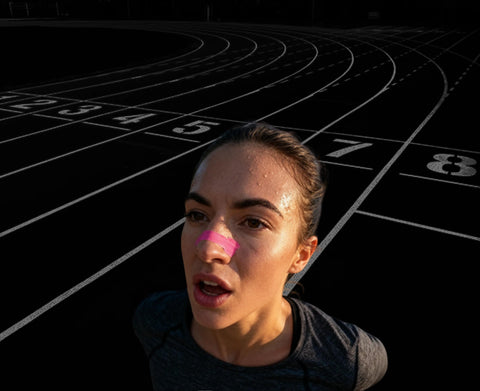
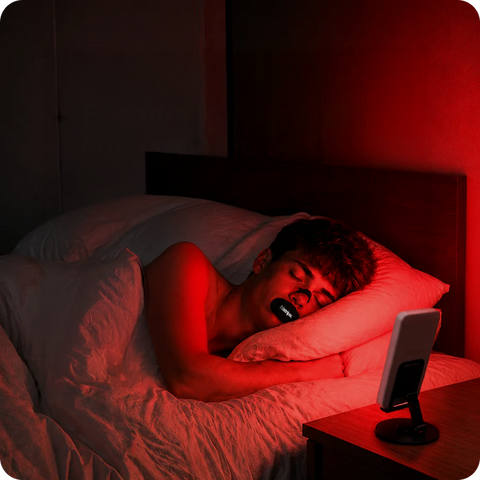
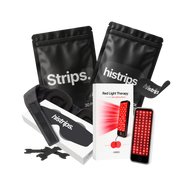
In-flight: Immediately adopt destination time on boarding. Wear HiStrips nasal strips during flight sleep — cabin pressure at 6,000-8,000ft equivalent increases nasal resistance, strips maintain breathing quality. Use Eclipse Sleep Mask to block light at wrong local times. Set Onyx Vibration Alarm to wake at destination morning time.
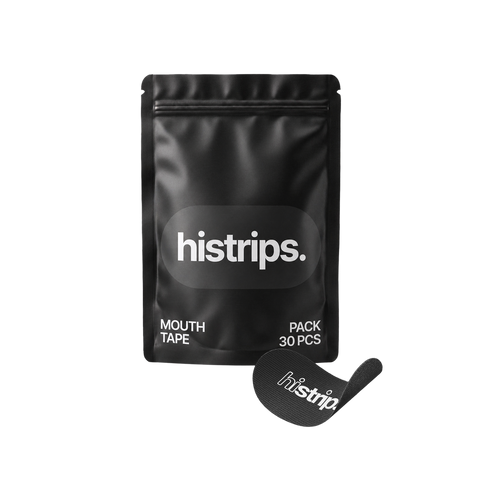
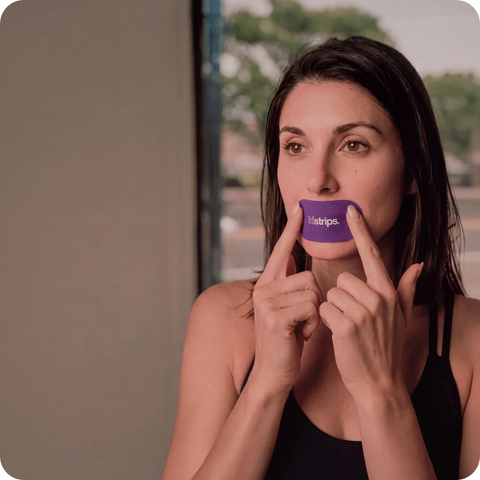
Post-arrival: Outdoor light exposure immediately on arrival morning. Low-dose melatonin (0.5-1mg) at destination bedtime. Full sleep protocol nightly: HiStrips + mouth tape + Eclipse Mask + Onyx alarm set precisely. No naps beyond 20 min.
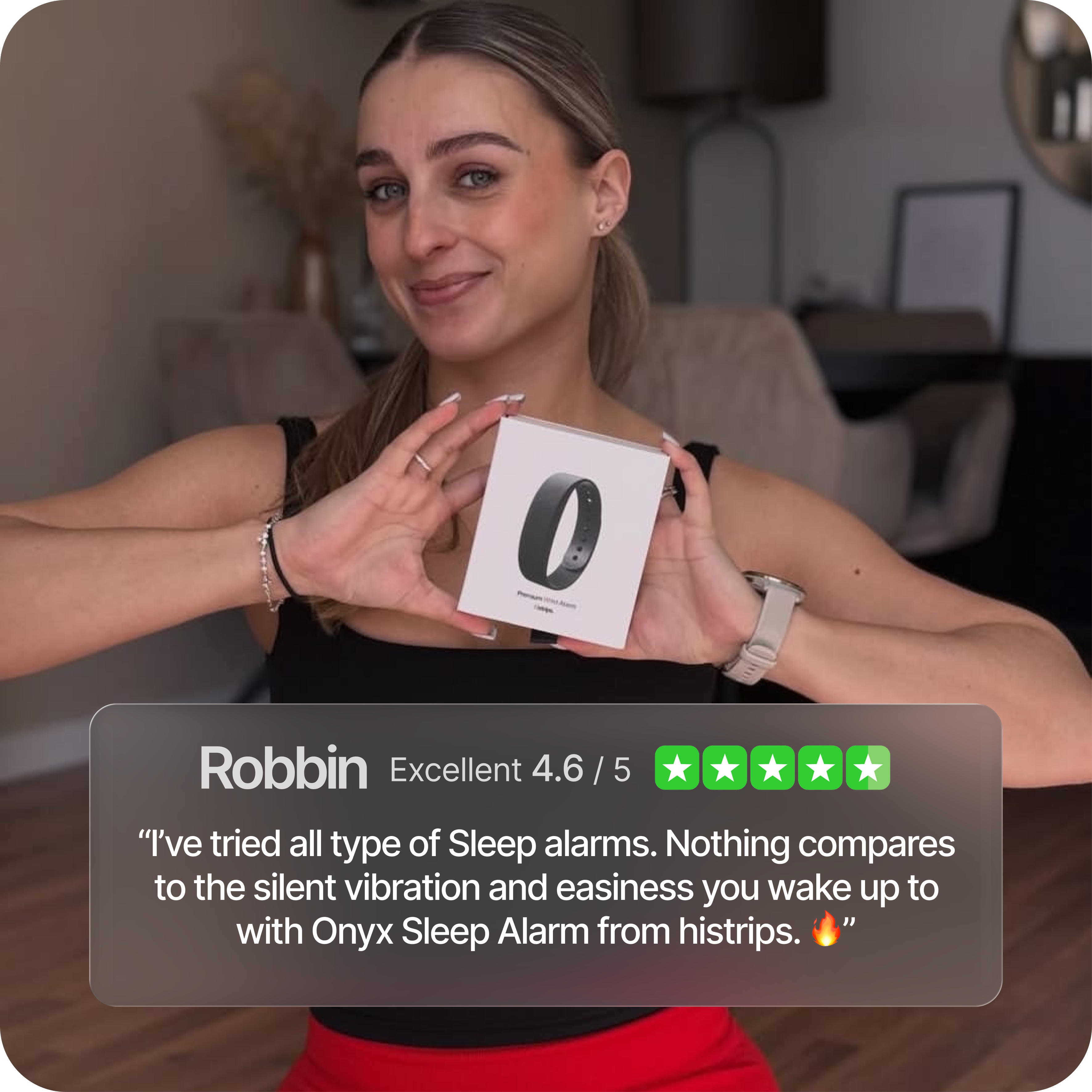
Why the Onyx Is Essential for Travel
Consistent waking at destination local time is the behavioral anchor of jet lag recovery. The Onyx ensures precise, silent waking that doesn't disturb travel companions and avoids the cortisol spike of audio alarms.



Leave a comment
This site is protected by hCaptcha and the hCaptcha Privacy Policy and Terms of Service apply.