


Red light therapy has gone from fringe biohack to mainstream recovery tool in the space of five years. Professional sports teams, Olympic training centers, and high-performance clinics now use it routinely. But the internet is also full of overclaims, poorly sourced articles, and products that don't deliver meaningful doses.
This is what the peer-reviewed science actually says — what red light therapy does, what it doesn't do, who benefits most, and how to use it effectively.
What Is Red Light Therapy?
Red light therapy (RLT), also called photobiomodulation (PBM) or low-level laser therapy (LLLT), involves exposing the body to specific wavelengths of red and near-infrared light. Unlike UV light, these wavelengths are non-ionizing — they don't damage DNA or burn skin. Instead, they penetrate tissue and trigger a cascade of cellular responses.
The two primary wavelengths used in clinical and consumer devices are:
- 660nm (red light) — penetrates to a depth of approximately 5–10mm. Targets skin, surface muscle tissue, and superficial inflammation
- 850nm (near-infrared light) — penetrates 20–30mm. Reaches deeper muscle tissue, joints, and even bone
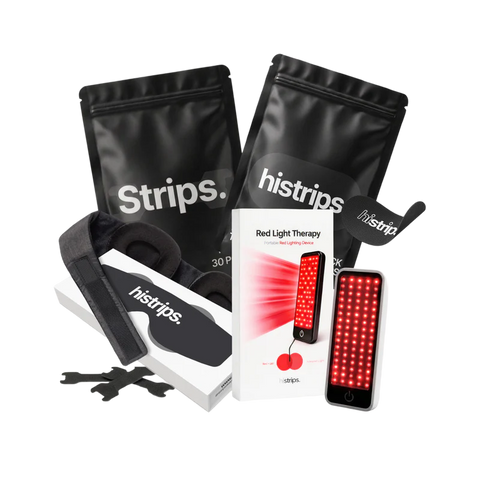
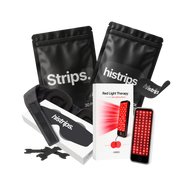
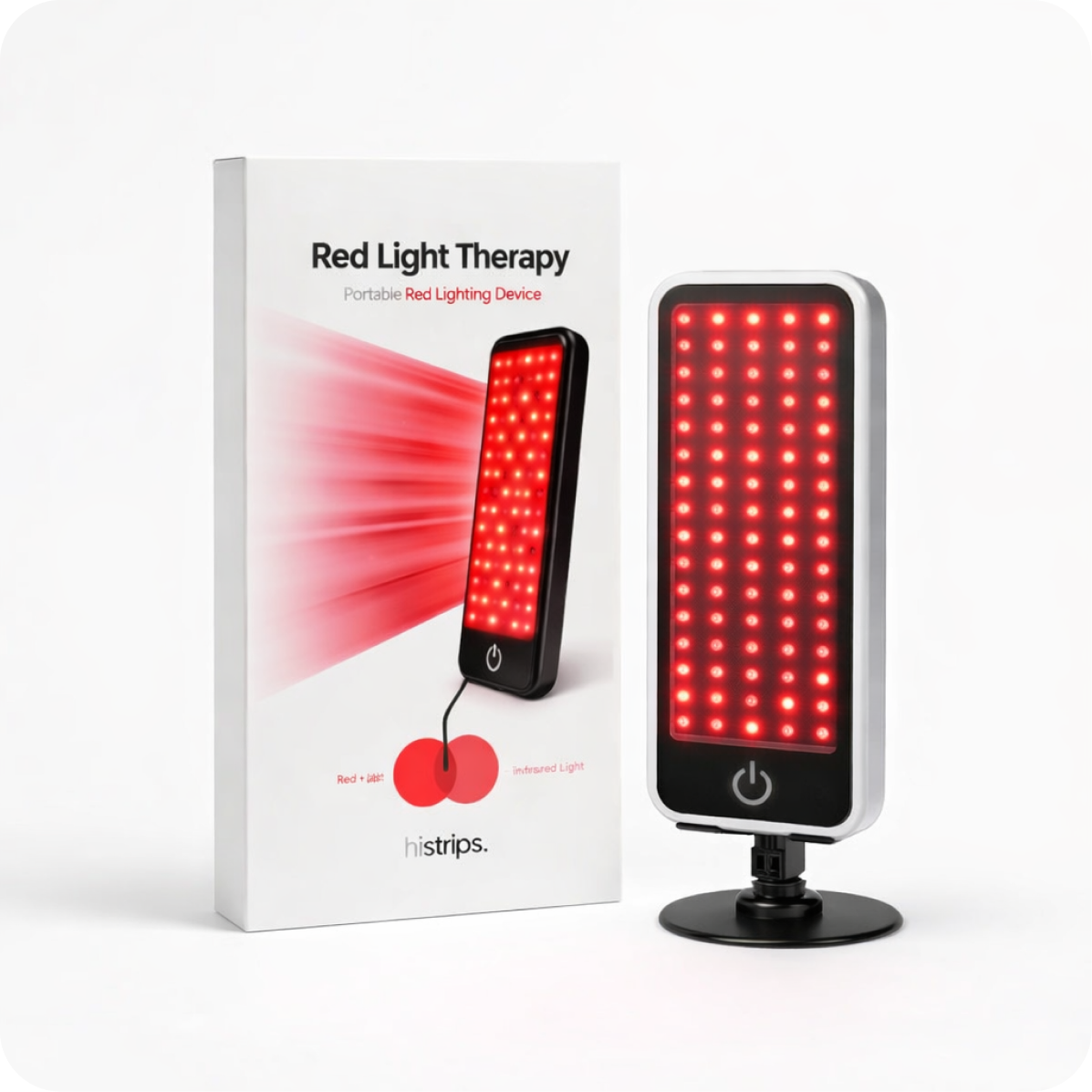
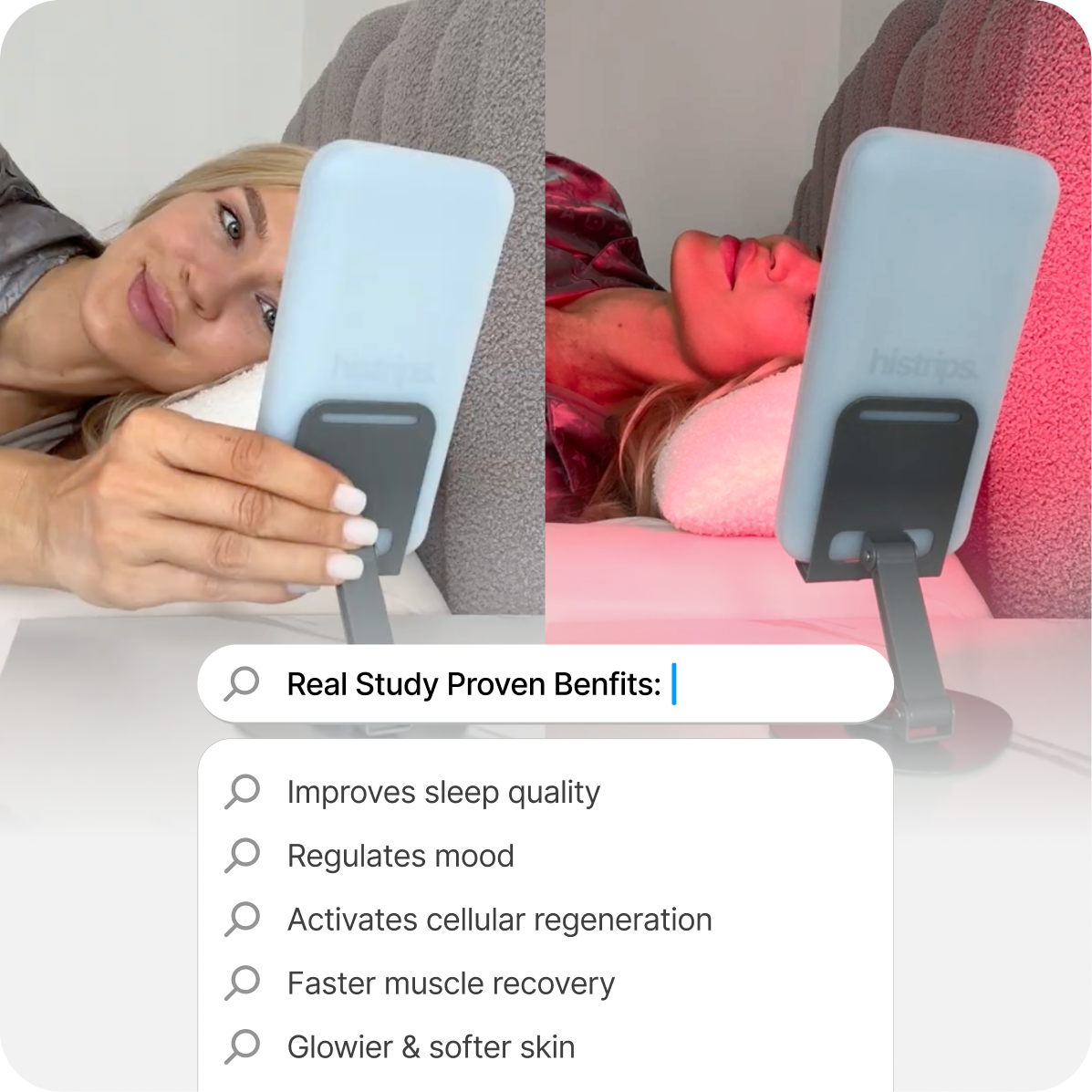
The HiStrips Red & Infrared Recovery Light Panel uses both wavelengths simultaneously for comprehensive coverage across both superficial and deep tissue.
The Cellular Mechanism: Why It Works
The primary mechanism of photobiomodulation is the activation of cytochrome c oxidase — an enzyme in the mitochondrial electron transport chain. When stimulated by red and near-infrared wavelengths, this enzyme increases ATP (adenosine triphosphate) production in cells.
More ATP means:
- Faster cellular repair and regeneration
- Reduced oxidative stress (excess reactive oxygen species are neutralized more efficiently)
- Increased collagen synthesis
- Reduced local inflammation via modulation of cytokine production
- Improved microcirculation in treated tissue
This is not a theoretical mechanism — it's one of the best-characterized photobiological processes, with over 5,000 peer-reviewed studies published since the 1960s.
What the Evidence Shows for Athletes
Muscle Recovery and DOMS Reduction
Multiple randomized controlled trials have demonstrated that pre- or post-exercise photobiomodulation significantly reduces delayed onset muscle soreness (DOMS) and accelerates recovery of muscle function.
A 2016 meta-analysis in the Journal of Athletic Training reviewed 13 RCTs and found statistically significant improvements in muscle performance and recovery with photobiomodulation compared to placebo. Effect sizes were particularly strong for reduction in DOMS severity and recovery of peak torque following eccentric exercise.
Inflammation Reduction
Near-infrared light has well-documented anti-inflammatory effects at the cellular level — reducing pro-inflammatory cytokines (IL-1β, TNF-α) and increasing anti-inflammatory mediators. For athletes with chronic training-related inflammation, this represents meaningful recovery support.
Sleep Quality Improvement
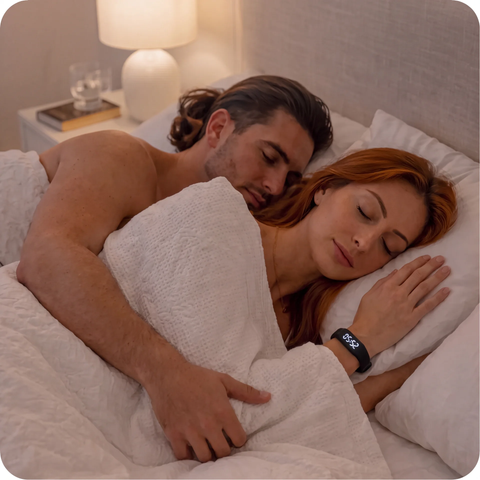
A 2012 study in the Journal of Athletic Training found that whole-body red light irradiation improved sleep quality scores in elite female basketball players over a 14-day protocol, alongside improvements in melatonin levels and endurance performance.
The proposed mechanism: red light in the evening supports natural melatonin production (unlike blue light, which suppresses it), and the anti-inflammatory and mitochondrial effects may reduce the physiological arousal that can interfere with sleep onset in athletes during heavy training blocks.
Joint and Tendon Health
Photobiomodulation has strong evidence for managing tendinopathies and osteoarthritis. For athletes dealing with chronic joint load — knees, shoulders, hips — regular red light therapy may reduce pain and support tissue resilience between training loads.
How to Use Red Light Therapy Effectively
The critical variable is dose — the combination of power density (mW/cm²), treatment distance, and duration that determines how much energy reaches the target tissue.
Optimal protocol for recovery:
- Distance: 15–30cm from the panel for full-body coverage
- Duration: 10–20 minutes per treatment area
- Frequency: Daily during heavy training blocks; 3–5x/week for maintenance
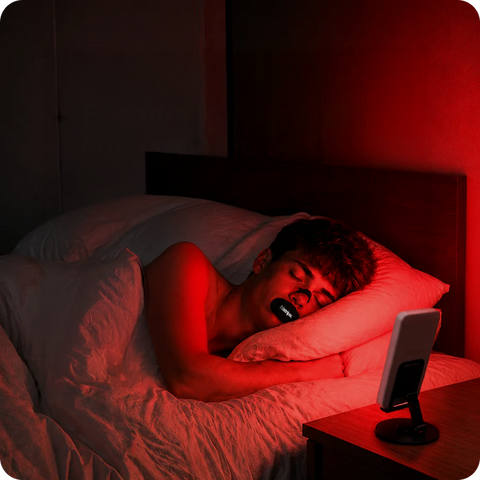
- Timing: Post-training for acute recovery; evening use supports sleep quality
- Skin exposure: Treat bare skin — clothing blocks most of the beneficial wavelengths
What to expect:
- Weeks 1–2: Mild warmth during treatment, possible subtle reduction in soreness
- Weeks 3–4: More consistent DOMS reduction, improved sleep quality
- Weeks 6–12: Cumulative benefits become more pronounced — reduced chronic inflammation, better recovery scores on wearables
Red Light Therapy in the Context of a Full Recovery Stack
Red light therapy works best as part of a comprehensive recovery protocol, not as a standalone intervention. The highest-performing athletes stack it with:
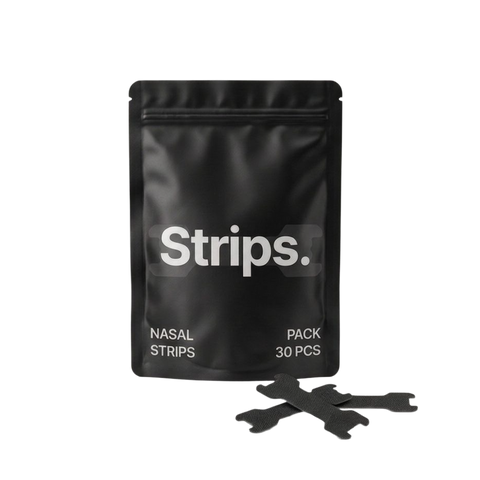
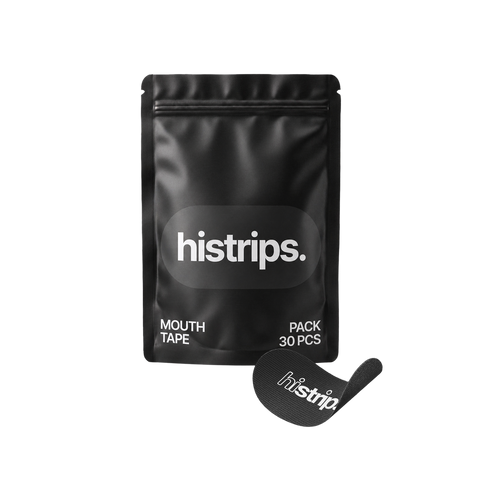
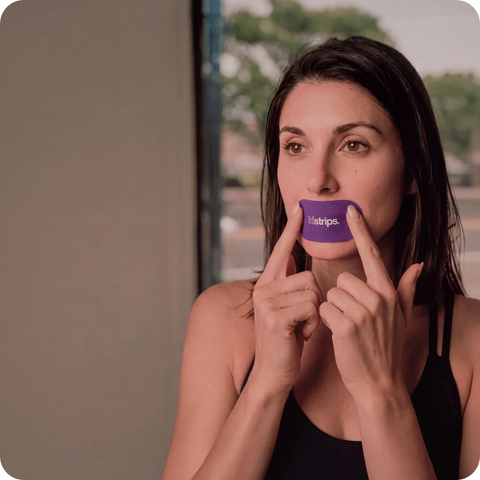
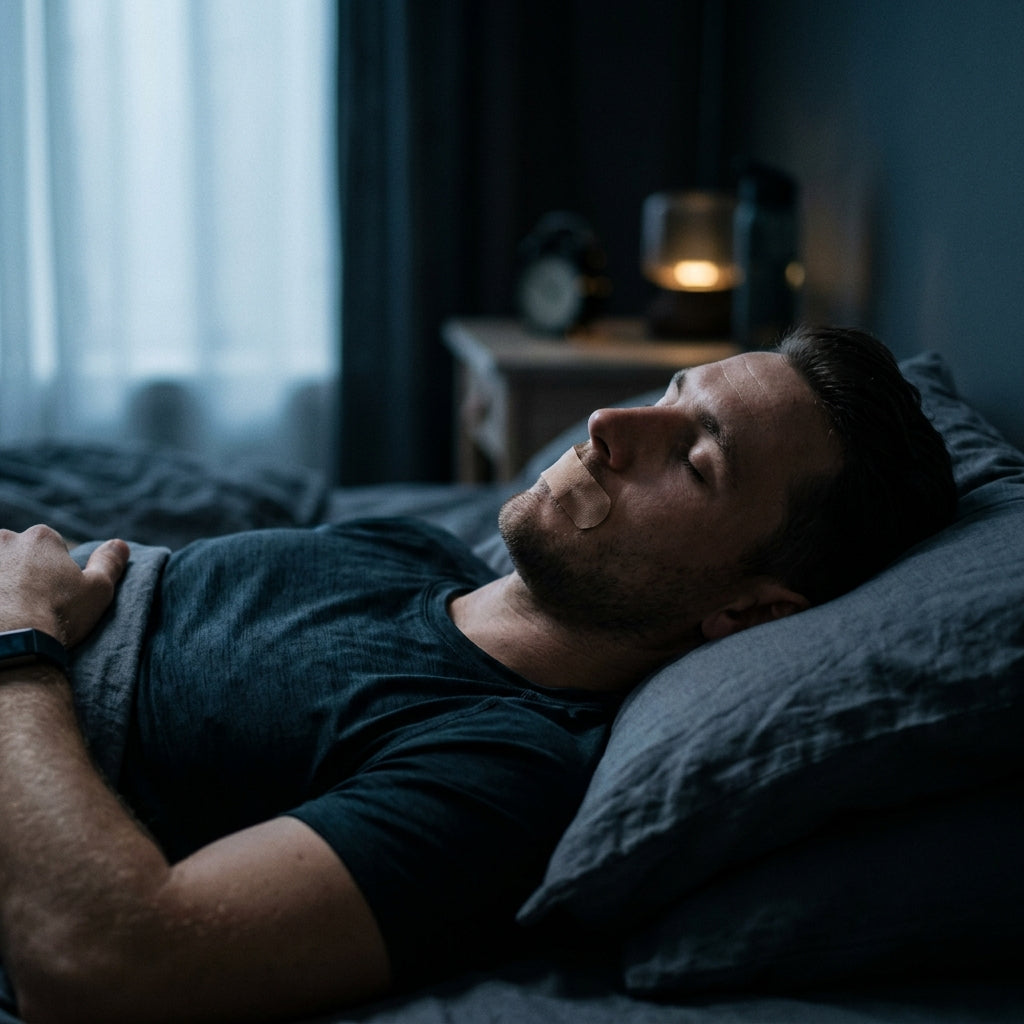
- HiStrips nasal strips + mouth tape for sleep — optimize breathing during the sleep recovery phase
- Proper nutrition timing — protein synthesis during recovery requires adequate substrate
- Cold contrast therapy — alternating hot/cold for acute post-training inflammation management
- Progressive overload management — no recovery tool compensates for chronic overtraining
The HiStrips Red & Infrared Recovery Light Panel delivers clinical-grade wavelengths at full-body panel size — covering more surface area per session than handheld devices, with the irradiance needed to reach deeper tissue effectively.
Train hard. Recover harder. Shop the HiStrips Recovery Light Panel →


Leave a comment
This site is protected by hCaptcha and the hCaptcha Privacy Policy and Terms of Service apply.