














The comparison that matters in shared bedrooms
For a single sleeper, an alarm only has one job: wake you up. For couples, there is a second requirement: do it without disturbing the other person unnecessarily. That is where silent alarms and loud alarms create very different outcomes.
What loud alarms do well
Loud alarms are familiar, cheap, and hard to ignore. They work because they force attention. But in a shared bedroom, that strength is also their biggest weakness. They do not discriminate between the partner who needs to wake up and the one who does not.
What silent alarms do better
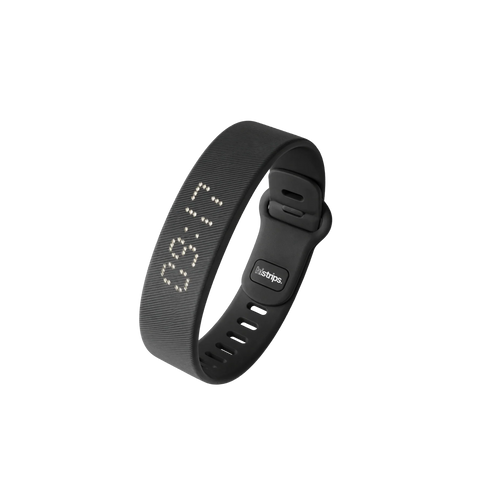
A silent alarm, especially in a wearable format, delivers the wake-up cue directly to the person who set it. The ONYX Sleep Watch is built around that approach, using vibration instead of sound to reduce room-wide disruption.
- For couples with different schedules: silent alarms are usually more practical
- For light sleepers: silent alarms are less likely to create unnecessary wake-ups
- For heavy sleepers: a wrist-based vibration can be more targeted than a distant low-volume tone
Where loud alarms still win
If someone absolutely will not wake to vibration and only responds to strong sound, a loud alarm may still be needed. But many couples find that the real issue is not whether loud alarms work. It is whether they create avoidable collateral disruption every morning.
Which is better for most couples?
In most shared bedrooms, silent alarms are the better fit because they solve a couple-specific problem more directly. The ONYX Sleep Watch is worth considering if your goal is a reliable wake-up that does not turn one person’s schedule into both people’s problem.
CTA: Compare your current setup to a quieter option and explore the ONYX Sleep Watch.


Leave a comment
This site is protected by hCaptcha and the hCaptcha Privacy Policy and Terms of Service apply.