







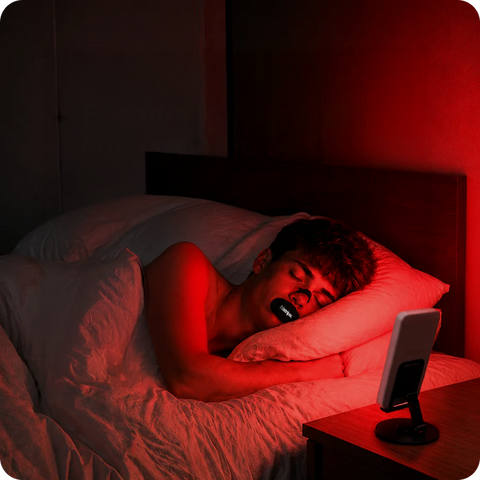





Loud alarms create a shared problem
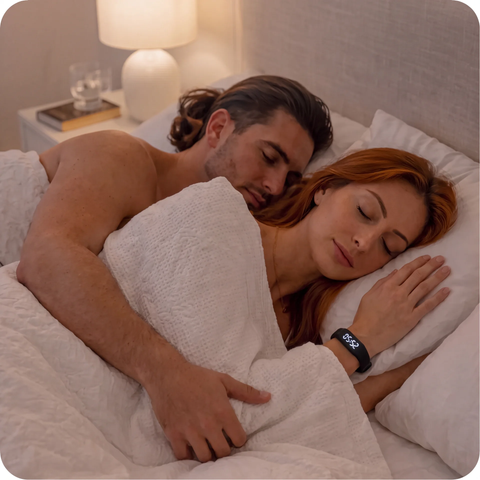
Traditional alarms assume that waking one person means waking the room. That may have been acceptable when schedules were simpler, but many married couples now manage different start times, shifting responsibilities, and limited tolerance for poor sleep.
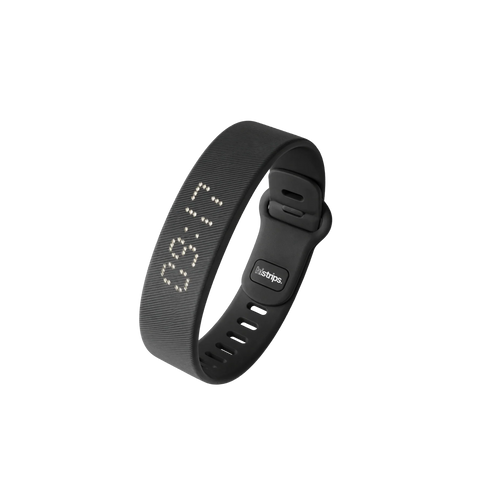
As a result, more couples are moving toward silent alarms. A product like the ONYX Sleep Watch offers a more targeted wake-up, using vibration instead of sound.
Why the switch is happening now
There are a few practical reasons this shift makes sense:
- Many couples no longer wake up at the same time
- People are more aware of how repeated sleep disruption affects their mornings
- Busy parents and professionals want smoother routines, not more friction
- Wearable wake-up options are easier to adopt than they used to be
Silent alarms fit solution-aware buyers
Most couples shopping this category already know the problem. They are not looking for an alarm that sounds nicer. They are looking for one that changes how wake-up time works in a shared bedroom. That is why the ONYX Sleep Watch is compelling: it addresses the root issue directly.
What couples tend to value most
In this stage of life, convenience alone is not enough. Couples tend to care about reliability, lower morning tension, and preserving sleep where possible. A silent alarm supports all three by giving one partner a personal wake-up cue rather than a public one.
Is it worth changing your setup?
If your current alarm regularly wakes both people, causes complaints, or leads to repeated snoozing, then yes, a change is worth evaluating. The ONYX Sleep Watch is a practical option for couples who want a quieter routine without overcomplicating it.
CTA: If your bedroom setup still depends on loud alarms, explore the ONYX Sleep Watch and see why more couples are switching.


Leave a comment
This site is protected by hCaptcha and the hCaptcha Privacy Policy and Terms of Service apply.