






You set your alarm, got a full eight hours, and still woke up feeling like you hadn't slept at all. Sound familiar? If you're dragging yourself out of bed every morning with a dry mouth, a dull headache, or that foggy feeling that just won't quit — your breathing might be the culprit.
Most people never think about how they breathe during sleep. But the difference between mouth breathing and nasal breathing is the difference between restless nights and deep, restorative sleep. Here's what's actually happening while you're unconscious — and what you can do about it tonight.
What Happens When You Mouth Breathe During Sleep
Mouth breathing during sleep is more common than you think. Studies suggest that up to 61% of adults breathe through their mouth at some point during the night. And the consequences go far beyond a dry, scratchy throat.
When you breathe through your mouth, you bypass the nose's sophisticated filtration and humidification system. Your nasal passages warm and humidify incoming air, filter out allergens and pathogens, and — critically — produce nitric oxide, a molecule that dilates blood vessels and improves oxygen delivery to your tissues.
Mouth breathing skips all of that. The result? Lower blood oxygen saturation, lighter sleep stages, more frequent micro-arousals throughout the night, and a stress response that keeps your nervous system in a low-grade state of alert. You might technically be in bed for eight hours, but you're not getting eight hours of actual recovery.
The Nitric Oxide Connection
Nitric oxide is one of the most powerful molecules in your body, and your nose is one of its main production sites. When you breathe through your nose, the paranasal sinuses release nitric oxide directly into the airstream. This molecule relaxes and widens the airways, improves oxygen uptake in the lungs, and supports circulation to the brain and muscles.
Mouth breathing bypasses this entirely. No nasal airflow = no nitric oxide boost = less oxygen per breath. Over the course of a night, that compounds into significantly worse recovery. Your muscles repair more slowly. Your brain consolidates memories less effectively. Your hormonal recovery — growth hormone release, cortisol regulation — gets disrupted.
The Snoring and Sleep Apnoea Link
Mouth breathing doesn't just make you feel groggy — it directly contributes to snoring and is a major risk factor for obstructive sleep apnoea (OSA). When your mouth falls open during sleep, your tongue and soft palate drop back, partially obstructing the airway. The vibration of tissue against that partial blockage is exactly what creates the sound of snoring.
OSA — where breathing repeatedly stops during sleep — is linked to cardiovascular disease, metabolic disorders, and cognitive decline. Keeping the airway open through nasal breathing significantly reduces these risks. Even for people without diagnosed OSA, switching to nasal breathing during sleep has been shown to reduce snoring, lower heart rate, and improve sleep architecture.
Why Your Nose Gets Blocked at Night
One of the most common reasons people default to mouth breathing is nasal congestion. When you lie down, blood flow to the nasal passages increases, causing the mucous membranes to swell and the airways to narrow. This is completely normal — it's called the nasal cycle — but it means your nose can feel more blocked at night than during the day, even if you have no underlying allergy or illness.
Nasal congestion can also be driven by allergens in your bedroom (dust mites, pet dander), dry air, or structural issues like a deviated septum. The good news: you don't need to fix all of these to start breathing better tonight.
The Simple Fix: Nasal Strips
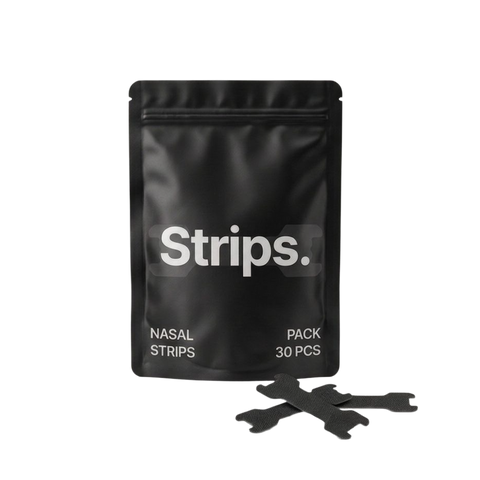
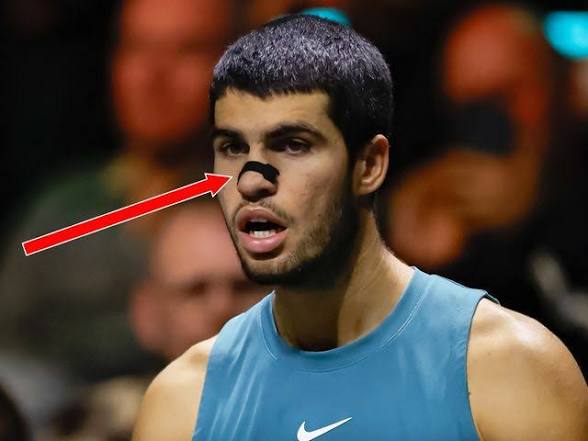
Nasal strips work by mechanically widening the nasal passages. They attach to the outside of the nose and, using spring-like bands, gently pull the nasal walls apart — increasing the cross-sectional area of the airway and making it significantly easier to breathe through your nose.
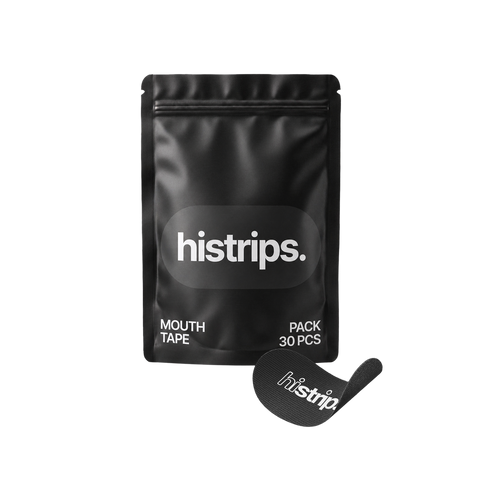
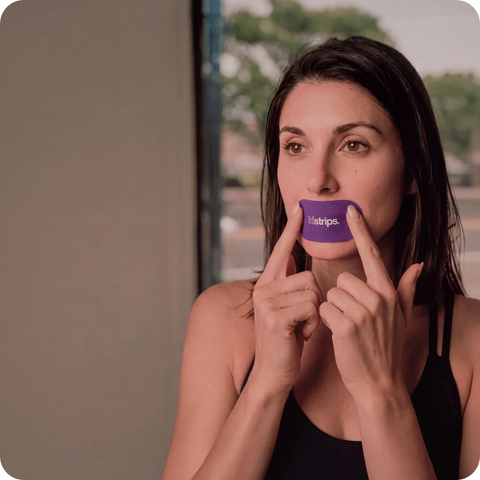
Unlike decongestant sprays, there's no rebound congestion and no drug dependency. Unlike mouth tape (which many people find uncomfortable or anxiety-inducing), nasal strips work with your anatomy rather than forcing a behavioural change. You simply apply one before bed, and your nose does the rest.
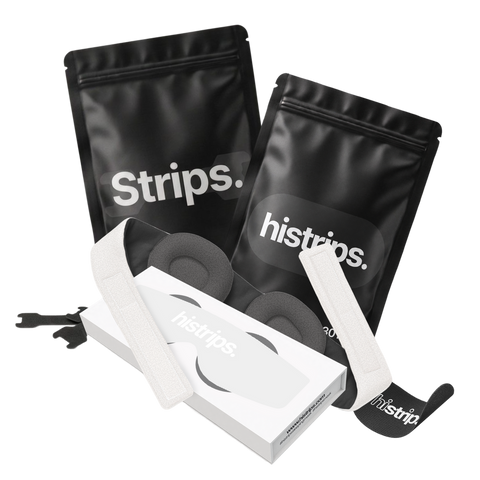
HiStrips nasal strips are engineered with an extreme-hold adhesive specifically designed for overnight wear — they stay on through tossing, turning, and even mild sweating. The flexible spring band provides consistent tension without discomfort.
What Better Nasal Breathing Feels Like
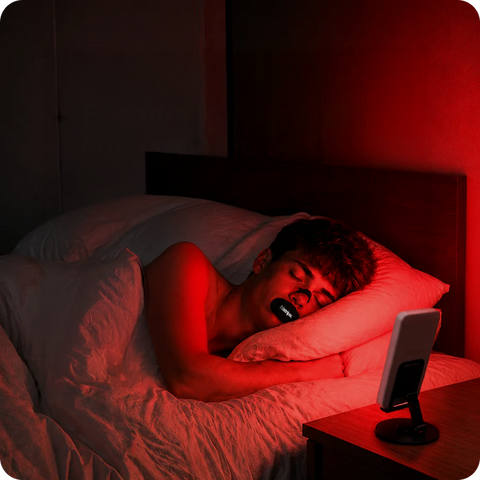
Most people notice results within the first few nights. Common reports include waking up with a moist mouth instead of a dry one, fewer morning headaches, reduced snoring (often confirmed by a partner), and — perhaps most importantly — waking up feeling like the sleep actually counted.
Over time, the benefits compound. Better sleep means better hormonal regulation, faster muscle repair, improved cognitive function, and more stable energy levels throughout the day. For athletes, better sleep is arguably the highest-leverage recovery tool available. But even for non-athletes, the difference between shallow mouth-breathing sleep and deep nasal-breathing sleep is transformative.
Tonight's Action Plan
You don't need to overhaul your entire sleep hygiene routine. Start with one change: apply a HiStrips nasal strip before you get into bed. Keep everything else the same. Give it five nights and notice the difference.
Sleep is the foundation of everything — your performance, your mood, your immune system, your relationships. You spend a third of your life doing it. It's worth doing it right.
Ready to sleep like an elite athlete? Try HiStrips tonight and wake up actually rested.
Ready to Try HiStrips?
Shop our most popular nasal strips:
- Black Nasal Strips — Most popular, extreme hold
- White Nasal Strips — Clean aesthetic
- Magnetic Nasal Strips — Reusable, up to 360 uses



Leave a comment
This site is protected by hCaptcha and the hCaptcha Privacy Policy and Terms of Service apply.