






How Allergies Affect Mouth Taping Success
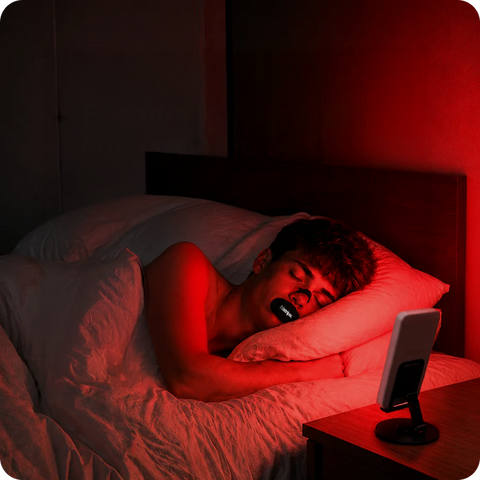
Allergic rhinitis — seasonal or year-round — is one of the most common causes of mouth breathing during sleep. For allergy sufferers, mouth taping is a complex situation that requires some additional consideration.
Why Allergies Cause Mouth Breathing at Night
During sleep, the nasal passages of allergy sufferers become inflamed, swollen, and congested due to post-nasal drip and mucosal irritation. Even people who breathe primarily through their nose during the day may switch to mouth breathing overnight when nasal airflow becomes compromised. This is a physiological response — not a behavioural habit.
Mouth Tape for Allergy Sufferers
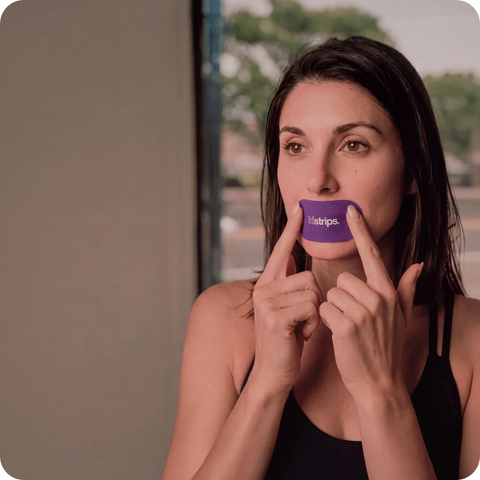
If your nasal passages are adequately open during sleep (either naturally or with appropriate allergy medication), mouth tape will work normally — supporting nasal breathing and reducing snoring and dry mouth. If your allergies are actively blocking your nose at night, mouth tape will feel restrictive until the congestion is addressed.
The Right Approach for Allergy Sufferers
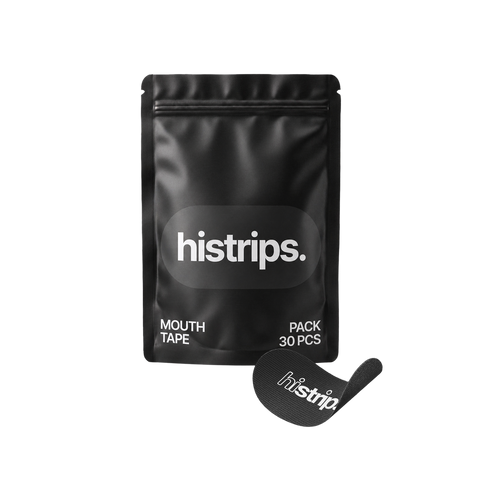
Treat the allergy first. Use appropriate medication — nasal steroids, antihistamines, saline irrigation — to establish adequate nasal airflow during sleep. Once your nasal passages are clear enough to support comfortable nasal breathing, add HiStrips Mouth Tape as a long-term habit to prevent the mouth breathing that allergic rhinitis tends to trigger overnight.
The Combined Approach
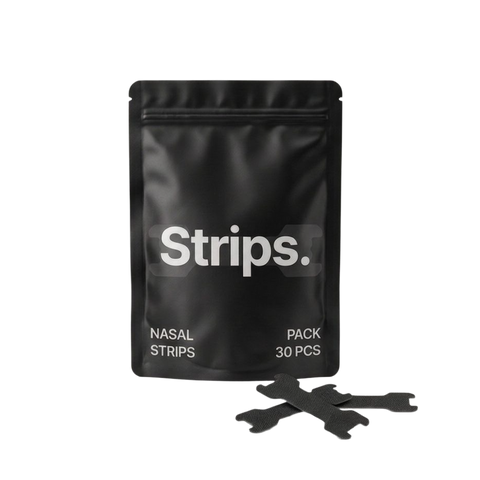
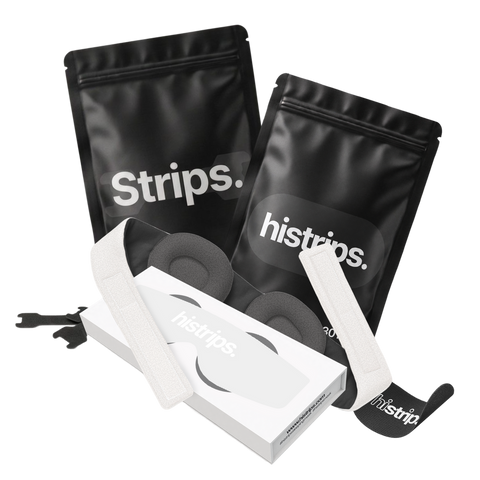
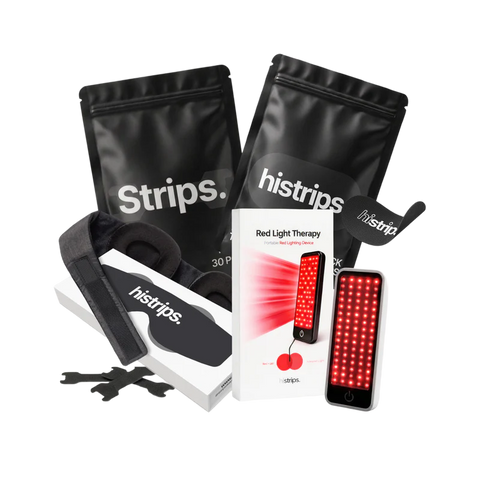
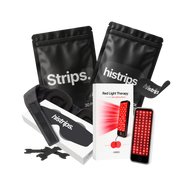
Many allergy sufferers find the most effective approach is: appropriate allergy medication before bed (as prescribed by their physician), HiStrips nasal strips if needed for additional nasal dilation support, and HiStrips Mouth Tape to maintain the nasal breathing pattern once the airway is clear. This addresses both the allergic inflammation and the overnight breathing pattern simultaneously.


Leave a comment
This site is protected by hCaptcha and the hCaptcha Privacy Policy and Terms of Service apply.