










What Do Dentists Say About Mouth Taping?
Dental professionals have the most direct clinical experience with the effects of mouth breathing on oral health. Here is what they actually say — and what the research confirms.
The Dental View of Mouth Breathing
Dentists and orthodontists were among the first clinical groups to document the structural effects of chronic mouth breathing — particularly in children and adolescents. Prolonged mouth breathing from a young age is associated with altered facial development, narrowed dental arches, and changes in jaw posture. For adults, dental professionals focus on the immediate oral health effects: dry mouth upon waking, increased dental decay, gum inflammation, and chronic bad breath.
What Dentists Say About Mouth Taping Specifically
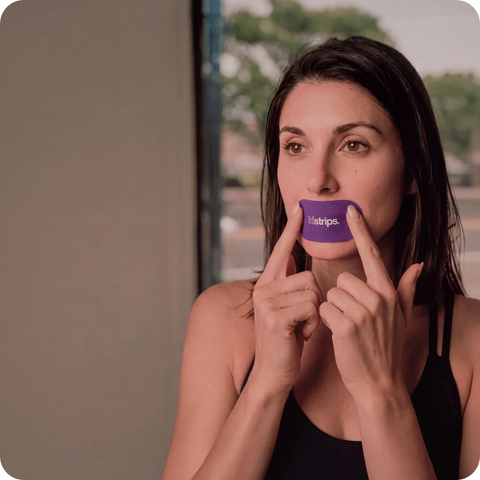
Dental opinions on mouth taping vary, but a growing number of dental and orthodontic professionals recommend it as a tool to support nasal breathing — with clear conditions: use medical-grade breathable tape designed for skin, the mouth must be able to open in an emergency, and adequate nasal airflow must exist first.
Key Dental Concerns — Addressed
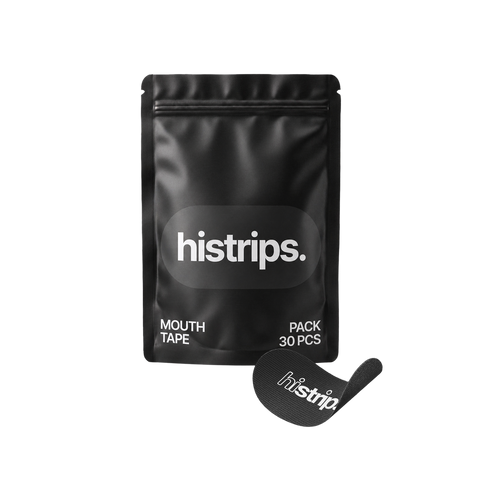
Skin irritation: use tape specifically designed for mouth taping, not duct tape or generic adhesives. Emergency opening: properly applied mouth tape creates a gentle lip seal — not an airtight lock. Adequate nasal airflow: if the nose cannot breathe, addressing nasal congestion comes first. HiStrips Mouth Tape meets the clinical requirements dental professionals set: medical-grade, breathable, skin-safe materials designed specifically for this use.


Leave a comment
This site is protected by hCaptcha and the hCaptcha Privacy Policy and Terms of Service apply.