






Do Nasal Strips Actually Work for Athletes? A Science-Based Answer
Nasal strips can work for athletes when they reduce mild airflow resistance at the front of the nose. That can make breathing feel easier during sleep, warm-ups, endurance sessions, or congested periods. The realistic claim is comfort and airflow support—not guaranteed performance improvement for everyone.
Reviewed: 2026-04-28 UTC. This article is educational and is not a diagnosis or treatment recommendation.
How nasal strips work
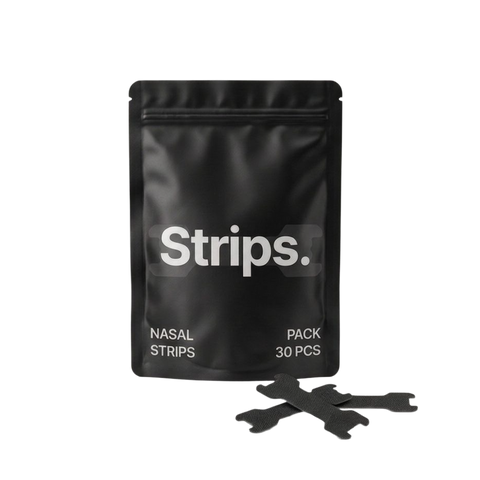
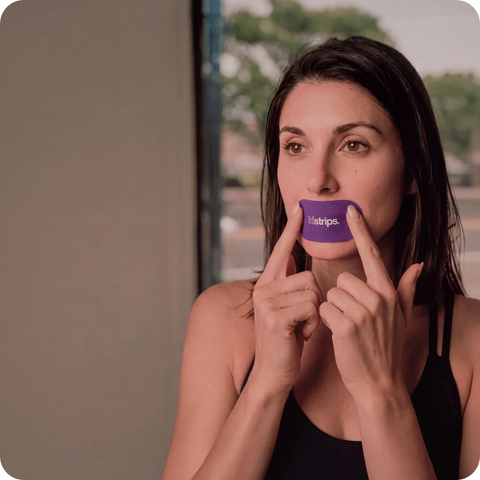
Nasal strips sit across the nose and gently lift the sidewalls outward. That can widen the nasal valve area and make nasal breathing feel easier when mild external narrowing is the bottleneck.
When athletes are most likely to notice a benefit
| Situation | Likely value |
|---|---|
| Mild nighttime congestion | May improve sleep comfort |
| Blocked-feeling nose during easy or steady training | May improve airflow comfort |
| Loud habitual snoring with daytime sleepiness | Limited—needs evaluation |
| Suspected sleep apnea | Not a substitute for medical care |
What a science-based answer should include
- Mechanism: a strip mechanically opens the external nasal passage.
- Use case: best for mild airflow resistance, not every breathing complaint.
- Limitation: does not replace medical review for persistent obstruction or sleep-disordered breathing.
FAQ
Do nasal strips improve athletic performance directly?
Not in a universal way. They are better described as an airflow and comfort tool that may support better training or recovery conditions.
Can they help with snoring?
Sometimes, especially when nasal blockage is part of the pattern.
Who should skip self-experimentation?
Anyone with suspected sleep apnea, severe obstruction, or symptoms that keep escalating despite basic measures.


Leave a comment
This site is protected by hCaptcha and the hCaptcha Privacy Policy and Terms of Service apply.