





What Are the Downsides of Using Mouth Tape?
Mouth taping has real benefits — but it is honest to present the downsides too. Understanding the potential problems helps you use the practice more safely and decide whether it is right for you.
Skin Irritation and Damage
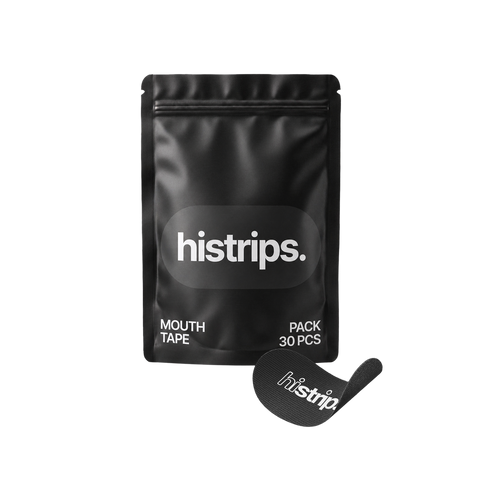
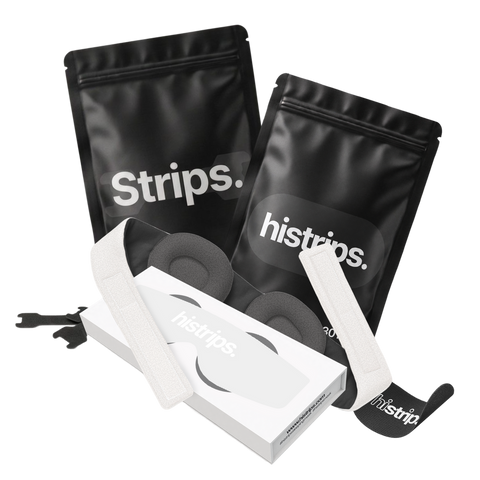
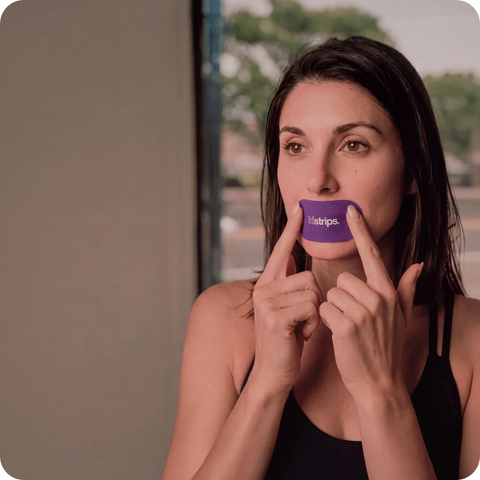
The most common downside is skin irritation on and around the lips. This is especially likely with tapes not designed for facial skin. Repeated nightly use without skin recovery time can cause peeling, redness, and sensitivity that makes the practice uncomfortable. Solution: use medical-grade tape (HiStrips Mouth Tape) and allow skin rest days.
Disrupted Sleep During Adjustment
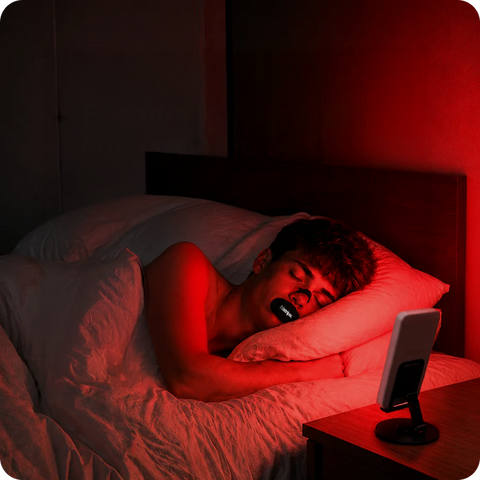
The first 1-2 weeks of mouth taping can disrupt sleep as your body adjusts to nasal breathing. Some users report waking up repeatedly, feeling anxious, or not sleeping as deeply initially. This adjustment period typically resolves within 2 weeks as the nasal breathing pattern becomes habitual.
Not Effective With Severe Nasal Congestion
If your nasal passages are significantly blocked, mouth taping can make you feel like you are not getting enough air — which is accurate. Mouth taping with severely congested airways is counterproductive and can lead to anxiety or gasping. Always address nasal congestion first.
Psychological Discomfort
Some people feel claustrophobic or anxious with their mouth sealed, especially in the first few nights. This is a psychological response that usually fades with habituation — but it is worth acknowledging as a real barrier for some users.
Contraindication With CPAP
Using mouth tape with CPAP without professional guidance can interfere with therapy effectiveness. Never combine them without consulting your sleep physician first.


Leave a comment
This site is protected by hCaptcha and the hCaptcha Privacy Policy and Terms of Service apply.