







How to Choose the Right Vibration Alarm Watch
The vibration alarm watch market spans a wide range of quality and capability — from basic fitness trackers with weak notification motors to purpose-built waking devices. Here is what to look for and what to avoid when choosing the right device for heavy sleeper needs.
Motor Type: Linear Resonance Actuator vs Eccentric Rotating Mass
The motor is the core of the device. LRA motors produce directional, precise vibration that can be finely controlled for intensity and pattern. ERM motors produce omnidirectional vibration that is harder to control. For a heavy sleeper alarm, an LRA motor is non-negotiable — it delivers the intensity and customisability required.
Vibration Intensity and Customisability
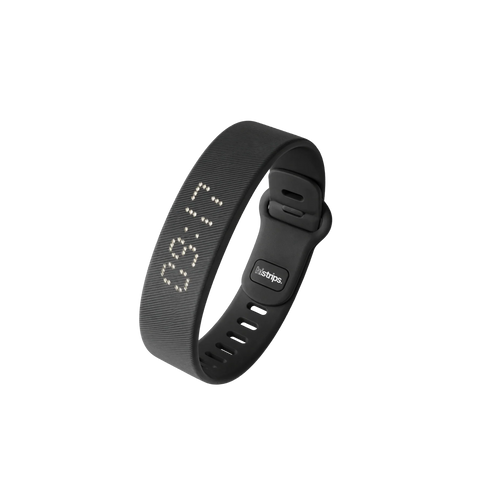
Intensity must be adjustable — not a single fixed setting. Heavy sleepers need to be able to calibrate the vibration to their specific threshold. The ONYX Vibration Alarm Watch uses a high-output LRA motor with 5 intensity levels and configurable escalation patterns, making it the most customisable device in this category.
Battery Life and Form Factor
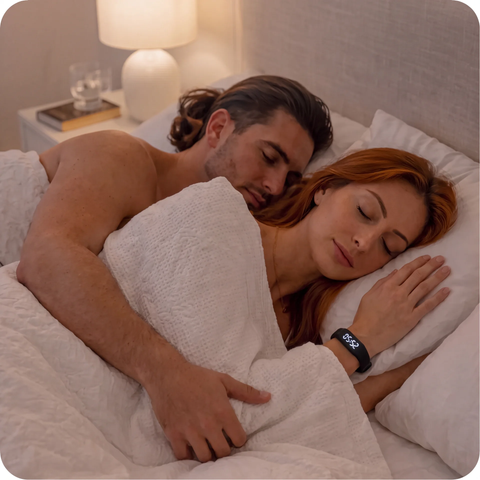
An alarm is only reliable if the battery lasts. Look for devices with multi-day battery life — charging every night creates a reliability gap. The watch form factor must be comfortable enough to wear to sleep. ONYX is designed specifically for overnight wear with an optimised form factor for sleeping wrists.
What to Avoid
Avoid any device where vibration is described as a notification feature rather than a primary function. Avoid smartwatches where the alarm is secondary to their smartphone connectivity. Avoid any device that requires a phone app to set the alarm — if your phone battery dies, your alarm dies.


Leave a comment
This site is protected by hCaptcha and the hCaptcha Privacy Policy and Terms of Service apply.