






Sleep Performance
Is Mouth Tape Safe to Use Every Night? What the Science Says
Daily mouth taping is becoming a common practice among athletes and health-conscious sleepers. Here is what the evidence says about safety, risks, and how to use it correctly.
What Is Mouth Taping?
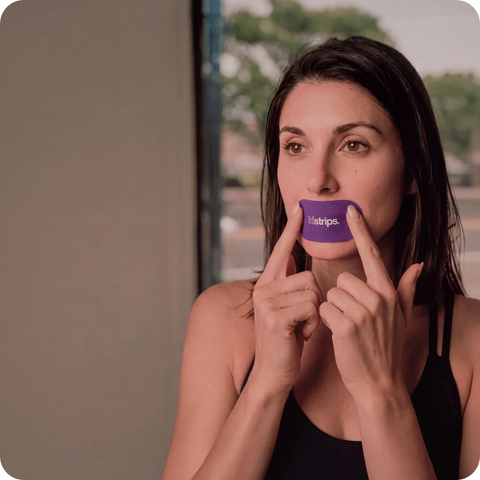
Mouth taping involves applying a small, breathable tape strip across the lips before sleep to encourage nasal breathing throughout the night. The concept is simple: if you breathe through your mouth during sleep, forcing nasal breathing through tape support can improve overnight oxygen saturation, reduce snoring, and support better sleep quality.
It sounds extreme — but it is not new. Sleep therapists and dental professionals have used variations of mouth breathing correction for decades. Modern breathable tape designed specifically for this purpose has made the practice far more accessible and comfortable than it sounds.
Is Daily Mouth Taping Safe? The Evidence
Short answer: for most adults, yes — when done correctly with the right product. Here is the breakdown:
What Research Supports
Multiple studies on sleep-disordered breathing have examined the physiological effects of nasal-only breathing during sleep. Participants who maintained nasal breathing overnight showed improvements in:
- Sleep-onset oxygen saturation levels
- Snoring frequency and severity
- Perceived sleep quality and morning alertness
- Mouth dryness — a common complaint among mouth breathers
No peer-reviewed study has documented serious adverse effects from using breathable, medical-grade mouth tape strips as directed in otherwise healthy adults.
Who Should Not Use Mouth Tape
Mouth tape is not appropriate for everyone. Do not use mouth tape if you have:
- Severe nasal obstruction that prevents adequate nasal breathing (severe deviated septum, untreated nasal polyps)
- Known or suspected sleep apnea — this requires professional diagnosis and treatment, not tape
- Severe respiratory conditions affecting the nose or sinuses
- Skin conditions or wounds on or around the lips that tape could irritate
If you have any respiratory or sleep condition, consult a healthcare professional before starting mouth taping.
The Right Way to Use Mouth Tape Safely Every Night
Choose the Right Tape
Not all tape is safe for use on lips and facial skin. Do not use generic duct tape, electrical tape, or standard adhesive bandages. These can cause skin irritation, pull at delicate lip skin, and leave residue that is difficult to remove. Use tape specifically designed for mouth taping — medical-grade, breathable, and skin-safe.
Start Slowly
If you are new to mouth taping, start with one or two nights per week and observe how you feel. Most people find they adjust within the first week. The goal is sustainable nightly use — forcing it immediately every night can feel uncomfortable if you are not used to nasal breathing during sleep.
Apply Correctly
Clean, dry lips are essential. Apply the tape gently across the closed lips — you should be able to breathe through your nose comfortably before you fall asleep. If you cannot breathe adequately through your nose without the tape, address your nasal congestion first before taping.
Benefits of Consistent Mouth Taping
For athletes and high performers, mouth taping is not a wellness trend — it is a recovery tool. Better overnight oxygen saturation means better sleep stage progression, more restorative deep sleep, and improved morning cortisol clearance. All of these affect training recovery, mental performance, and next-day output.
The Bottom Line
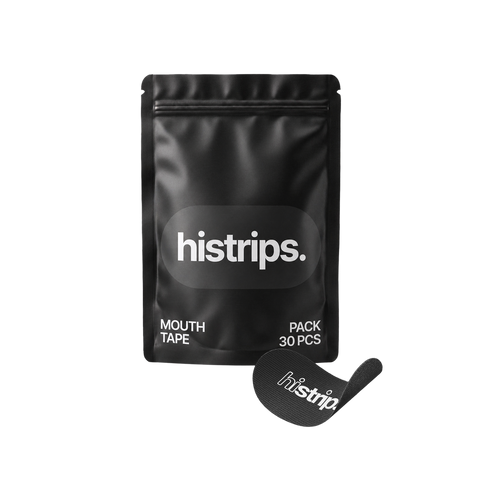
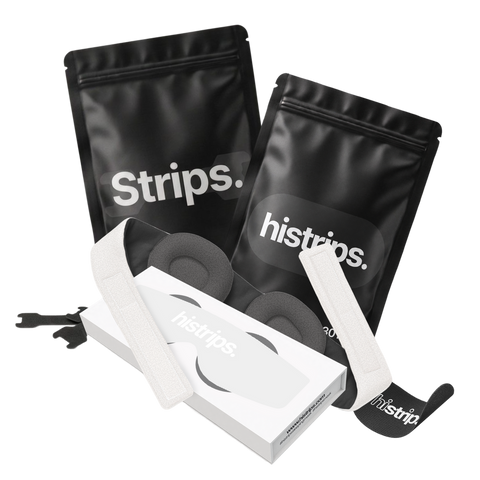
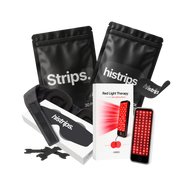
Daily mouth taping is safe for most healthy adults — with one condition: use a product specifically designed for it. HiStrips Mouth Tape uses medical-grade, breathable materials engineered for nightly use on sensitive lip skin. It is the right product for a practice you want to sustain every night.
If you want to improve your sleep quality through nasal breathing, mouth taping is a proven, low-risk approach — when you use the right tape.


Leave a comment
This site is protected by hCaptcha and the hCaptcha Privacy Policy and Terms of Service apply.