





Does Mouth Tape Reduce Teeth Grinding?
Teeth grinding — also called bruxism — is a common sleep behaviour that affects millions of people. Mouth tape is sometimes discussed as a potential intervention. Here is what the evidence actually says about the connection.
What the Research Shows
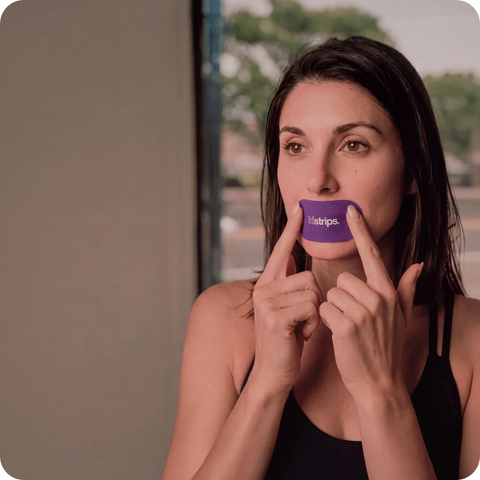
The relationship between mouth breathing and teeth grinding is indirect but meaningful. Mouth breathing during sleep is associated with a more relaxed jaw position that allows more jaw movement during sleep. Some researchers theorise that this relaxed jaw position increases the likelihood of grinding events. By keeping the lips closed and maintaining a more natural jaw position, mouth tape may indirectly reduce grinding frequency in some users.
What Users Report
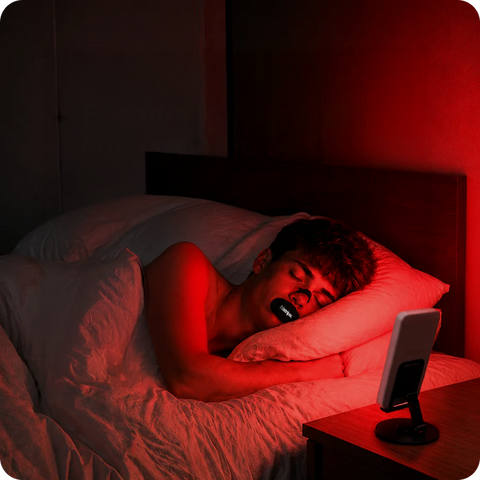
Some users who switch to nightly mouth taping report reduced morning jaw soreness and fewer grinding events. This is not universally reported — and it is likely most significant in people whose grinding is partially driven by mouth breathing and airway issues.
The Important Caveat
Mouth tape is not a primary treatment for bruxism. If you grind your teeth severely at night, you need a proper dental assessment and likely a night guard to protect your teeth from enamel wear. Mouth tape may be a complementary tool — not a replacement for professional bruxism management.
For Mild or Moderate Cases
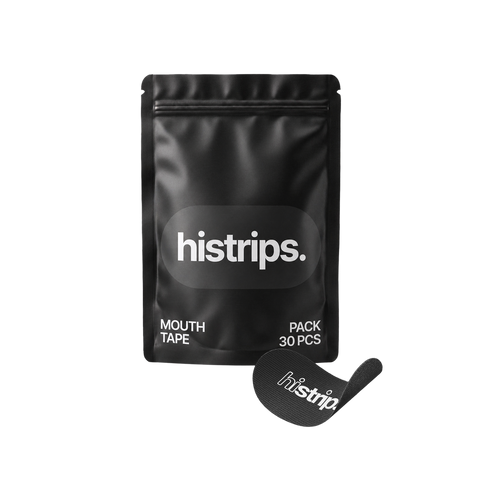
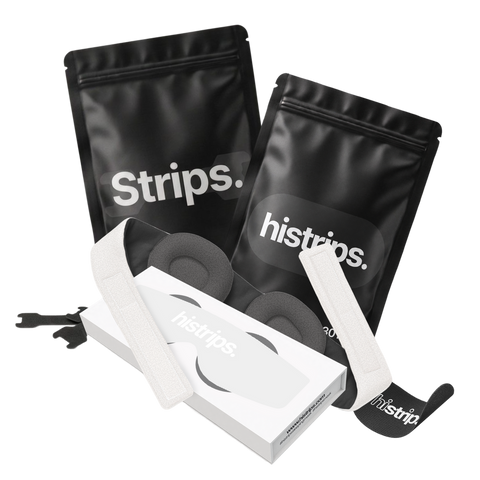
If your teeth grinding is mild and partly related to mouth breathing patterns, HiStrips Mouth Tape may contribute to reduction over time. It is not a guaranteed bruxism cure — but it may be a useful part of a broader sleep and oral health optimisation approach alongside professional guidance.


Leave a comment
This site is protected by hCaptcha and the hCaptcha Privacy Policy and Terms of Service apply.