
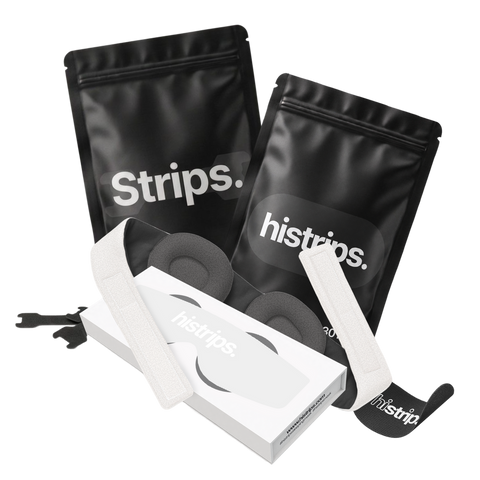
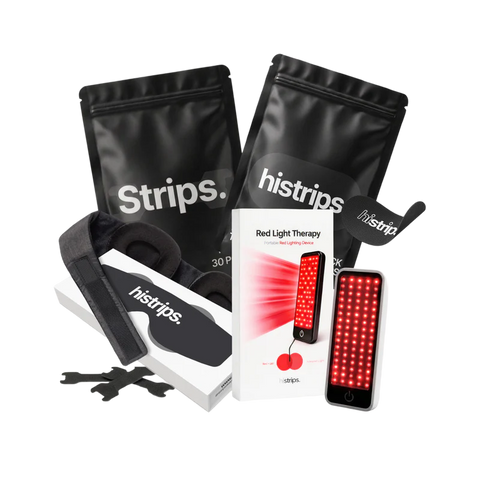
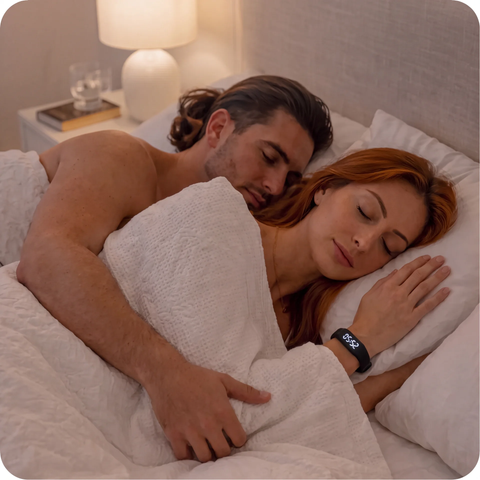




Sleep is the foundation of athletic recovery. Every night you sleep, your body repairs tissue, consolidate motor learning, and restore hormonal balance. If your breathing is restricted during sleep, you're leaving performance on the table. Nasal strips can help — here's what you need to know about using them for better sleep.
How Nasal Strips Improve Sleep
When you sleep, your body goes through repeated breathing cycles. If your nasal passages are partially obstructed — whether from a deviated septum, mild congestion, or anatomical narrowing — your breathing can become labored during sleep. This reduces oxygen saturation and can trigger micro-arousals throughout the night, fragmenting your sleep quality even if you're not fully waking up.
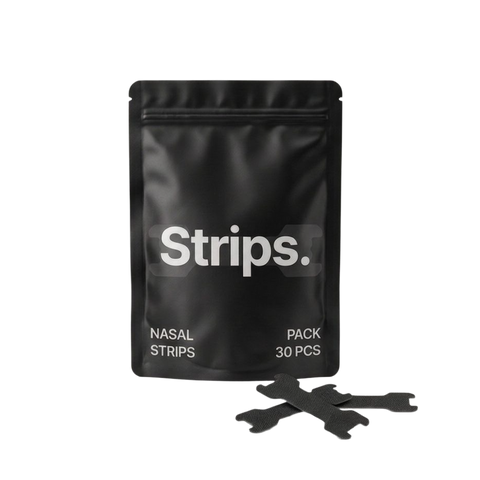
Nasal strips address this mechanically: by physically opening the nasal passages from the outside, they reduce airflow resistance throughout the night. The result can be:
- Improved oxygen saturation: More air flows in, more oxygen gets into your bloodstream, better tissue oxygenation during sleep.
- Reduced snoring: Nasal snoring — the sound caused by turbulent airflow through a narrowed nasal passage — can be significantly reduced with nasal strips. This benefits both you and your sleep partner.
- Better nasal breathing: Encourages the transition from mouth breathing to nasal breathing during sleep, which is associated with improved sleep architecture.
Nasal Strips vs. Mouth Taping
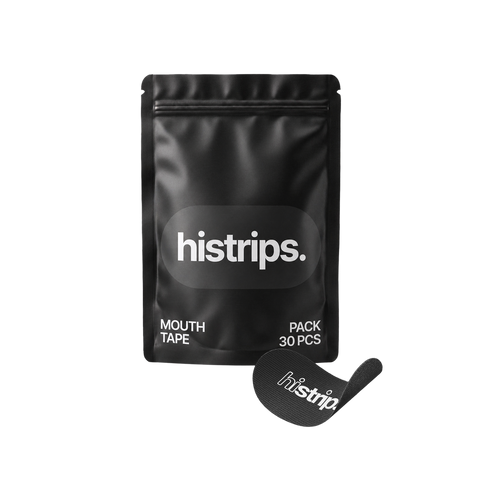
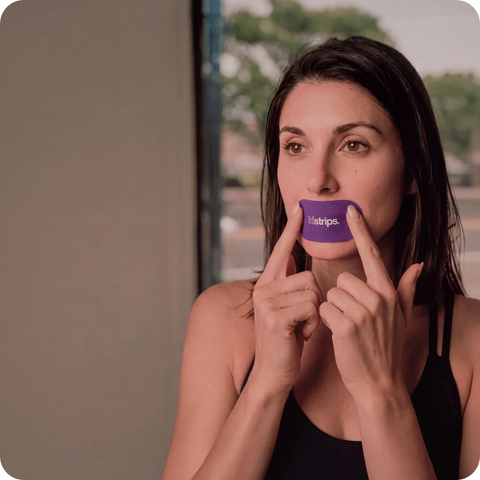
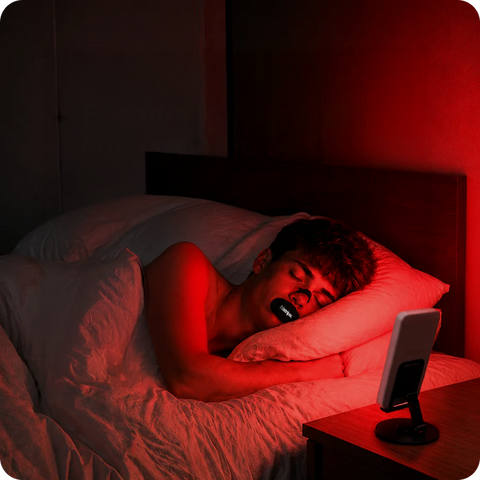
Mouth taping — sealing your mouth with tape to force nasal breathing — has become a popular alternative to nasal strips. The idea is that by preventing mouth breathing, you force nasal breathing all night. However, mouth taping carries risks: if your nasal passages are severely obstructed, forcing mouth-taping could lead to significant hypoxia. It also feels deeply uncomfortable for many people and is difficult to use consistently.
Nasal strips, by contrast, simply open your nasal passages while leaving your mouth free. They don't force a breathing mode — they just make nasal breathing easier if your nose can already pass air. They're far more comfortable and carry none of the safety concerns of mouth taping.
HiStrips: Designed for Comfortable Overnight Wear
HiStrips are engineered for extended overnight wear with comfort in mind. Their adhesive is designed to be comfortable against facial skin for the full 7–8 hours of sleep without causing irritation, and their flexible construction moves naturally with your skin as you change positions throughout the night. Unlike rigid or stiff strips that can feel uncomfortable or shift during sleep, HiStrips maintain their position and their effect throughout the night.
Who Benefits Most
Nasal strips for sleep are most effective for people with mild to moderate nasal obstruction, snorers whose snoring originates in the nasal passages, athletes seeking to optimize overnight recovery, and anyone who wants to maximize their oxygen intake during sleep. They won't fix severe sleep apnea or complete nasal obstruction, but for the millions of people with mild anatomical narrowing, they can make a meaningful difference in sleep quality.


Leave a comment
This site is protected by hCaptcha and the hCaptcha Privacy Policy and Terms of Service apply.