


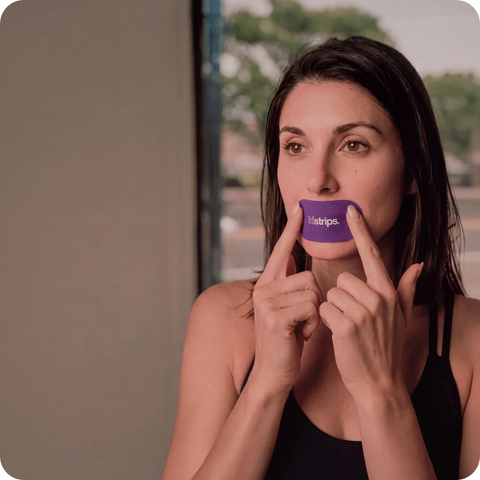
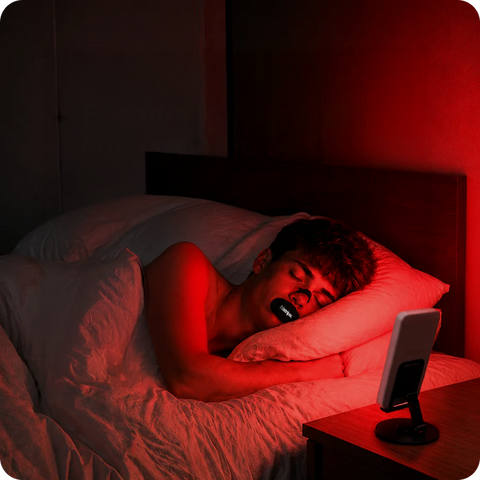



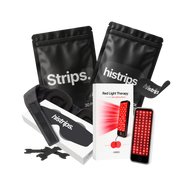
A deviated septum affects up to 80% of people to some degree. For those with a significant deviation, nasal breathing can feel like a constant struggle — especially during exercise or sleep. Can nasal strips actually help?
What Is a Deviated Septum?
The nasal septum is the cartilage and bone dividing your nasal cavity into two sides. When it's off-centre, one passage becomes smaller, restricting airflow. Common symptoms: difficulty breathing through one or both nostrils, frequent one-sided congestion, snoring, and reduced exercise capacity.
How Nasal Strips Help
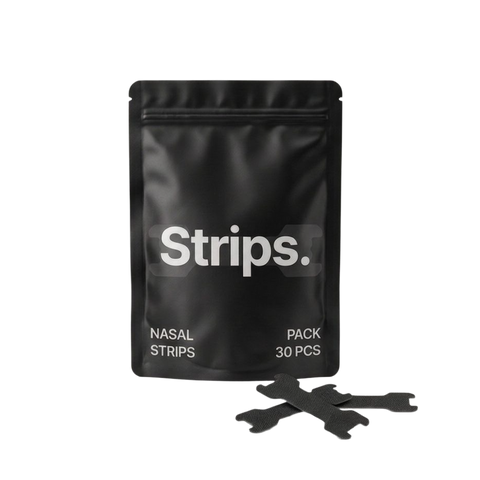
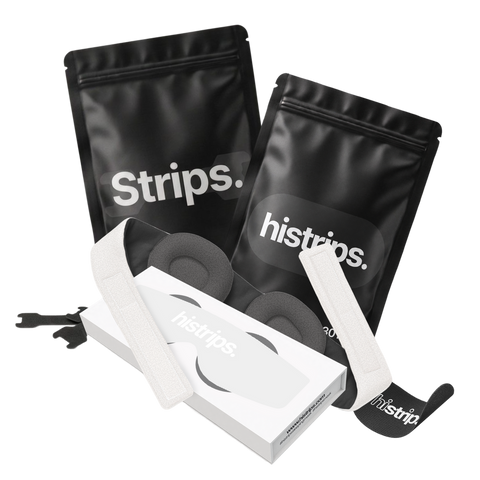
Nasal strips don't fix the septum — but they don't need to. They open the nasal valve (the narrowest point just inside the nostrils), which is often the secondary restriction point for people with a deviated septum. By lifting the nasal walls outward, HiStrips increase total airflow cross-section, compensating for some of the restriction caused by the deviation.
What to Realistically Expect
- Noticeable improvement in airflow for mild-to-moderate deviations
- Better sleep and reduced snoring
- Improved exercise breathing, particularly for endurance sports
- Limited benefit if the deviation is severe or located deep in the passage
FAQ
Can nasal strips correct a deviated septum?
No. They improve airflow at the nasal valve level but can't physically move the septum. However, this often provides meaningful relief.
How long should I try them?
Give it 5-7 nights. Most people notice a difference immediately; the full benefit is clear within a week.
Is surgery the only permanent fix?
Septoplasty is the only permanent correction. Many people find HiStrips provide enough relief to avoid or delay surgery.
Try HiStrips — engineered for maximum airflow.


Leave a comment
This site is protected by hCaptcha and the hCaptcha Privacy Policy and Terms of Service apply.