







Nasal Strips vs. Mouth Breathing: Which Is Better for Athletes?
It's the question every athlete eventually encounters: should you breathe through your nose or your mouth during training? The answer isn't as simple as "mouth breathing gives you more air." The science is more nuanced — and more interesting.
What the Science Says About Nasal Breathing
Nasal breathing produces nitric oxide in the nasal passages, a vasodilator that improves oxygen uptake efficiency in the lungs. Research published in Respiratory Physiology demonstrated that nasal breathing during moderate exercise improved oxygen saturation compared to oral breathing at equivalent workloads.
Additionally, nasal breathing filters, warms, and humidifies air before it reaches the lungs — reducing irritation and optimizing the gas exchange surface. During long-duration exercise, this matters: comfortable lungs are efficient lungs.
Why Elite Athletes Predominantly Breathe Nasally During Moderate Efforts
You don't see elite marathon runners or cyclists breathing exclusively through their mouths during steady-state training. The world's fastest aerobic athletes have trained themselves to maintain nasal breathing at high percentages of their VO2max — which gives them a significant efficiency advantage.
Nasal breathing also engages the diaphragm more fully, promoting diaphragmatic (belly) breathing over shallow chest breathing. Deeper breaths mean more air per breath and less respiratory muscle fatigue.
When Mouth Breathing Becomes Necessary
At very high intensities — typically above 80-85% of your maximum heart rate — nasal breathing alone cannot supply the oxygen demand. Your body will force a switch to mouth breathing. This is normal and expected. The goal isn't to be a 100% nasal breather; it's to maintain nasal breathing as long as possible, pushing that transition point higher.
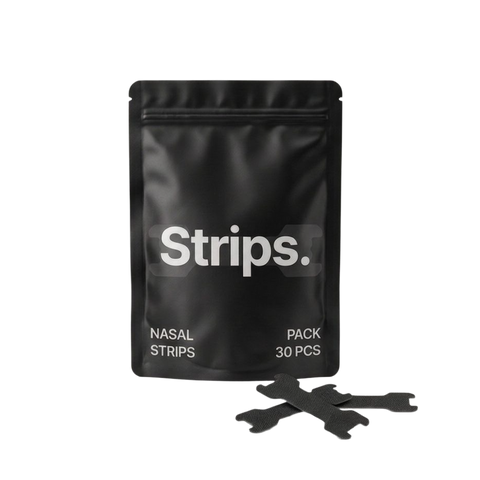
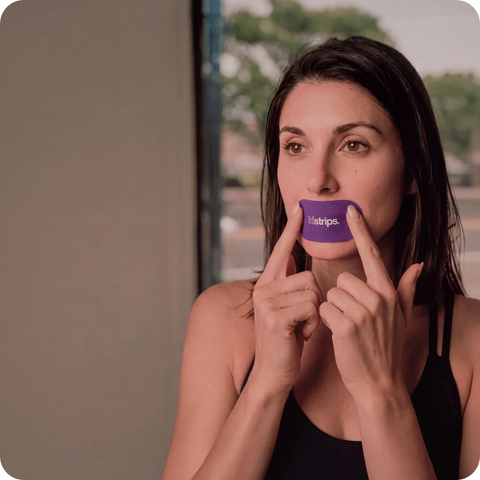
Nasal strips help by reducing nasal resistance, making nasal breathing easier and more comfortable at a higher percentage of your maximum effort. The easier nasal breathing feels, the longer you can sustain it before oral breathing becomes necessary.
How Nasal Strips Support Your Breathing Goals
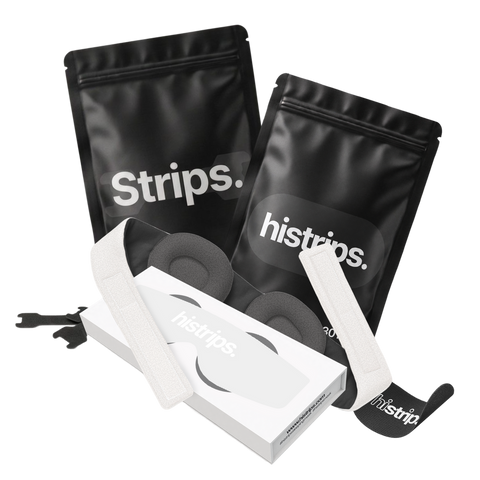
By physically holding your nasal valves open, HiStrips make nasal breathing at moderate intensities feel natural and effortless. This supports your training goals in two ways: immediate breathing efficiency improvement, and long-term training adaptation that pushes your "nasal breathing threshold" higher over time.
If you've been struggling to maintain nasal breathing during steady-state cardio, the issue is likely nasal resistance — and a nasal strip directly addresses it in a way that mouth breathing never can.


Leave a comment
This site is protected by hCaptcha and the hCaptcha Privacy Policy and Terms of Service apply.