




Do Nasal Strips Work for Snoring and Sleep Quality?
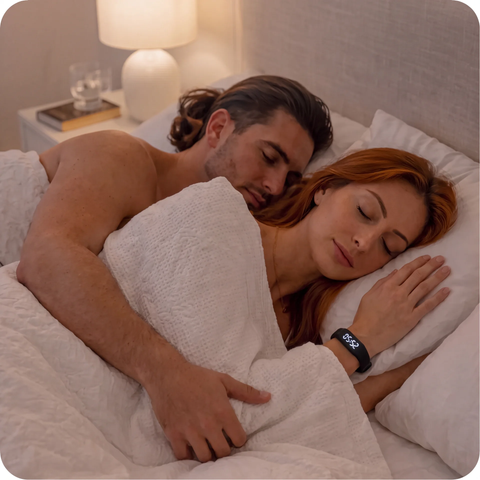
Snoring is one of the most common sleep complaints — and one of the most frequently dismissed. But for anyone who shares a bed with a snorer, the impact on sleep quality (for both parties) is real. So do nasal strips actually help with snoring?
The answer is yes — but with important nuances about when and how they work.
What Causes Snoring
Snoring occurs when airflow causes the soft tissues of your throat and airway to vibrate. This happens when the airway is partially blocked — which can occur at multiple points: the nasal passages, the soft palate, the base of the tongue, or the pharyngeal tissues.
Nasal obstruction is one of the most common contributors to snoring. When your nose is congested or the nasal valves collapse during sleep, you unconsciously switch to mouth breathing. Mouth breathing creates greater airway collapse in the throat, generating the vibration that produces snoring.
How Nasal Strips Address Snoring
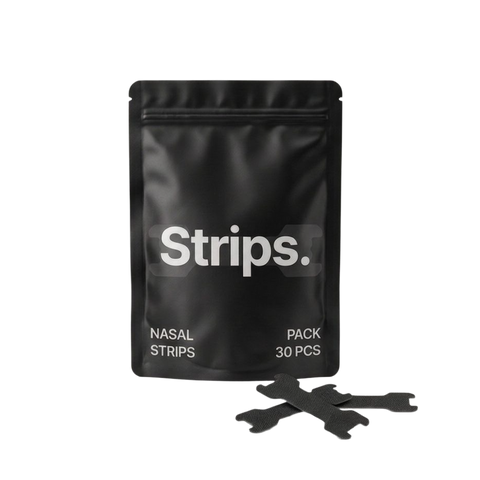
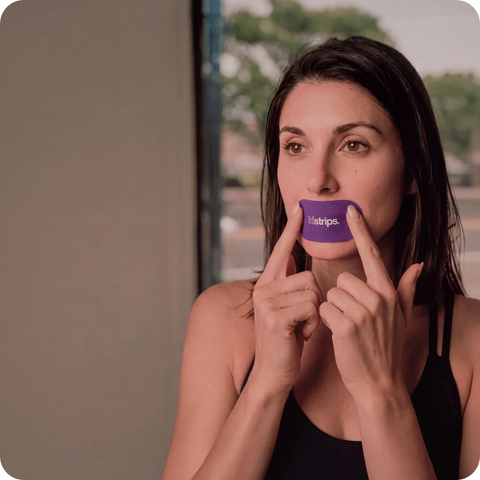
Nasal strips work by physically opening the nasal valves — the narrowest point of your nasal airway. By preventing nasal valve collapse during sleep, they reduce or eliminate the nasal obstruction that drives mouth breathing. With nasal breathing restored, the throat airway stays more open, and snoring is reduced or eliminated.
Research consistently shows that nasal dilator strips reduce snoring frequency and intensity in people whose primary obstruction is nasal — not throat-based. If your snoring has a nasal component, strips can make a significant difference.
When Nasal Strips Help vs. When They Don't
Nasal strips work well for:
- Snoring driven by nasal valve collapse or congestion
- Mild snoring without sleep apnea
- People who breathe through their mouth during sleep due to nasal obstruction
Nasal strips are less effective for:
- Severe obstructive sleep apnea (OSA) — this requires CPAP or other medical intervention
- Snoring driven primarily by throat/tongue tissue collapse rather than nasal obstruction
- Structural issues that require surgical intervention
Improving Sleep Quality for Non-Apneic Snorers
If you snore mildly but don't have sleep apnea, nasal strips may meaningfully improve your sleep quality. Reduced snoring means better sleep for you and your partner, improved morning alertness, and — for athletes — better overnight recovery.
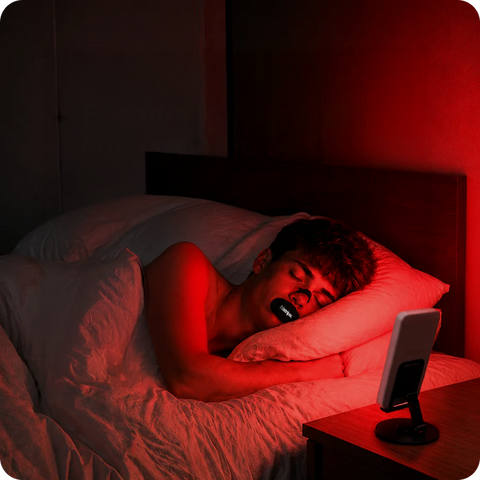
The same reasoning that applies to athletic sleep optimization applies here: better oxygenation overnight means better recovery. HiStrips maintain their bond throughout the night, delivering consistent nasal dilation from when you fall asleep to when you wake up.
Why HiStrips Work for Overnight Use
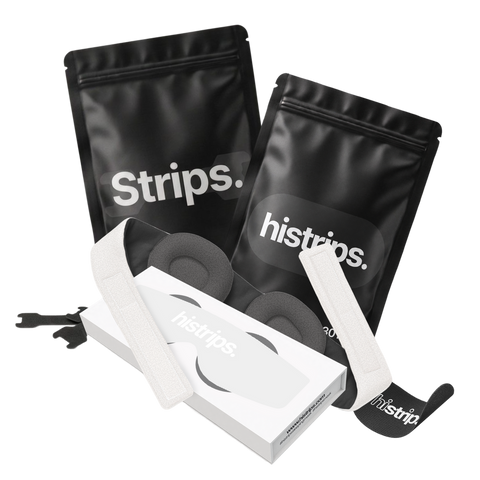
Not all nasal strips are designed for overnight wear — but HiStrips are. Their sweat-proof adhesive stays bonded through nighttime sweating, restless movement, and hours of continuous wear. If you've tried other nasal strips for sleep and found they fell off or lost their shape by morning, HiStrips are engineered to stay the course.
Better breathing, better sleep, better recovery. Simple science, executed properly.


Leave a comment
This site is protected by hCaptcha and the hCaptcha Privacy Policy and Terms of Service apply.