



Does Red Light Therapy Boost Recovery and Performance?
The performance question is the one athletes care about most: does red light therapy actually make you faster, stronger, or better trained — or does it just make recovery feel better? The answer is more nuanced than a simple yes or no, and understanding it will help you use the technology more effectively.
The Indirect Performance Effect
Red light therapy does not directly increase muscle force production during a training session — you will not be stronger in today's workout because of yesterday's red light session. What it does is accelerate recovery between sessions — meaning you can train more frequently at higher intensity without accumulating fatigue. Over weeks and months, this means more effective training volume, which translates directly into better performance outcomes.
What Studies Show
A 2020 study in the Journal of Strength and Conditioning Research found that red light therapy combined with training produced significantly greater improvements in aerobic capacity (VO2max) and time trial performance compared to training alone. A 2018 study in the Journal of Athletic Training found that red light therapy improved peak torque production and reduced recovery time between high-intensity sessions in collegiate athletes. These are not trivial effects — they are performance-relevant improvements.
The HiStrips Protocol for Performance
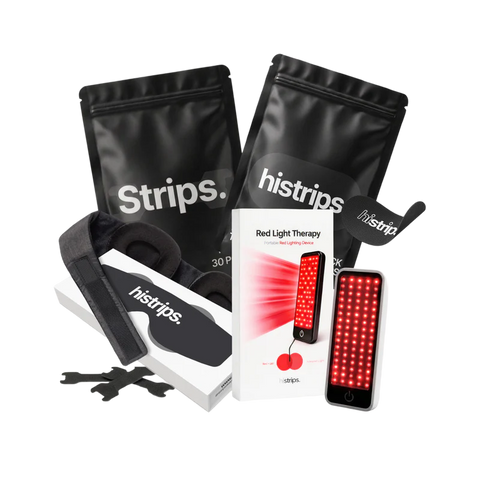
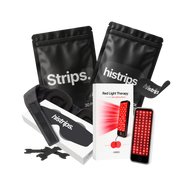
For athletes focused on performance: use red light therapy post-workout (not before, when the anabolic signalling from training is desired), 4-5 sessions per week minimum, combined with adequate sleep and nutrition. The compounding effect of accelerated recovery accumulates over training cycles — producing measurable performance improvements within 4-6 weeks.


Leave a comment
This site is protected by hCaptcha and the hCaptcha Privacy Policy and Terms of Service apply.