





Can Red Light Therapy Improve Circulation?
Circulation is the master variable in tissue health — every tissue's ability to repair, clear waste, and function depends on receiving adequate blood supply. Poor circulation is at the root of more health problems than almost any other single factor. Red light therapy is one of the few interventions that demonstrably improves microcirculation in treated tissues.
How Red Light Improves Blood Flow
Red and near-infrared light stimulates the release of nitric oxide (NO) from endothelial cells — the cells lining blood vessels. Nitric oxide is the primary signalling molecule that causes vasodilation: the widening of blood vessels that increases blood flow to tissues. This is the same mechanism targeted by PDE5 inhibitors (like sildenafil) — except red light activates it naturally, without drugs.
The Evidence for Circulation Improvement
A 2018 study in Lasers in Medical Science used laser Doppler flowmetry to measure blood flow changes after red light therapy and found significant increases in microcirculation in treated tissues — peaking at 30-60 minutes post-treatment and remaining elevated for several hours. A 2020 study in the Journal of Photochemistry and Photobiology found improvements in peripheral artery disease symptoms after 8 weeks of red light therapy, including measurable increases in walking distance and blood flow markers.
Why This Matters for Athletes and Recovery
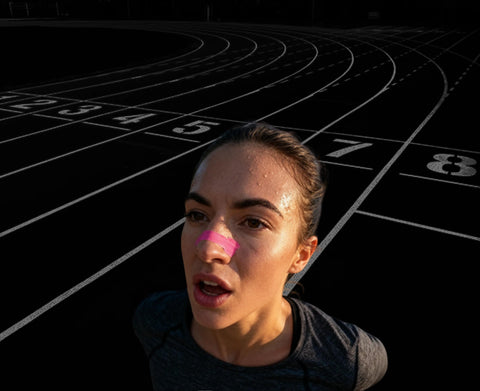
Improved circulation means faster delivery of nutrients to recovering tissues, faster clearance of metabolic waste products, improved oxygenation of muscle tissues during training, and better overall tissue health and resilience. For athletes, this translates directly into faster recovery and improved training capacity.


Leave a comment
This site is protected by hCaptcha and the hCaptcha Privacy Policy and Terms of Service apply.