



Red Light Therapy for Skin: Does It Help Collagen?
The use of red light therapy for skin health and collagen production is one of the most studied applications of photobiomodulation — and one of the most relevant for the growing market of consumers looking for non-invasive skin rejuvenation options. Here is what the research actually shows.
How Red Light Affects Skin Cells
Red light at 630-660nm is absorbed by fibroblasts — the skin cells responsible for collagen and elastin production. This absorption stimulates fibroblast proliferation, increases collagen synthesis, and improves the organisation of collagen fibres in the dermis. Studies show measurable increases in collagen density and skin thickness after 8-12 weeks of consistent red light therapy.
The Clinical Evidence
A 2014 study in Dermatologic Surgery found that participants who received red light therapy 3 times per week for 12 weeks showed a 28% increase in collagen density and statistically significant improvements in skin complexion, firmness, and texture compared to the control group. A 2017 study in the Journal of Photochemistry and Photobiology B found that red light therapy reduced wrinkle depth and improved skin smoothness after 8 weeks of treatment.
The 660nm Wavelength Advantage
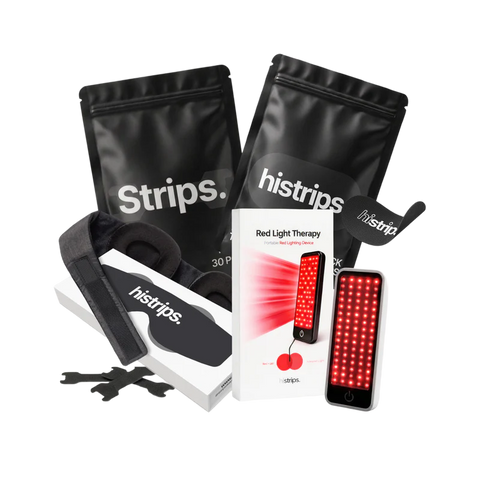
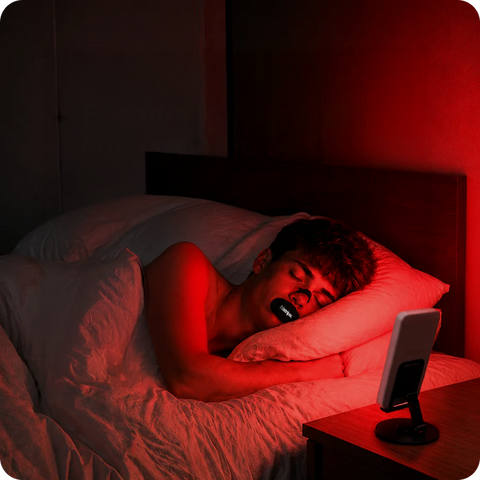
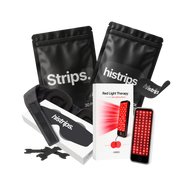
Skin collagen is primarily located in the dermis at depths of 1-2mm — within the optimal penetration range for 660nm red light. This is why the red wavelength (not NIR) is most relevant for skin health applications. HiStrips Red Light Panels deliver both 660nm for skin benefits and 850nm for deep tissue recovery — the complete package for both skin and physical recovery goals.


Leave a comment
This site is protected by hCaptcha and the hCaptcha Privacy Policy and Terms of Service apply.