


Red Light Therapy vs Ice Baths: Which Helps Recovery More?
This is one of the most common questions in the recovery space — and it is the wrong comparison. Ice baths and red light therapy work through fundamentally different mechanisms and address different aspects of recovery. The better question is: when should you use each, and can they be combined?
How Ice Baths Work
Cold water immersion (CWI) reduces tissue temperature, which reduces blood flow to the area and reduces metabolic activity. The primary benefit is reduced inflammation and swelling after training — cold causes vasoconstriction, which limits the inflammatory cascade. Ice baths are most effective for acute inflammation management in the 24-48 hours after intense training.
How Red Light Therapy Works
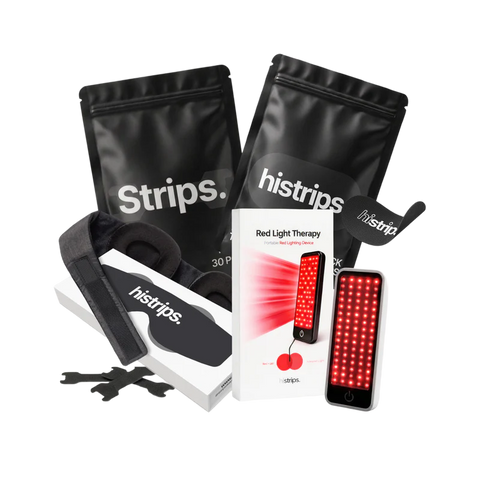
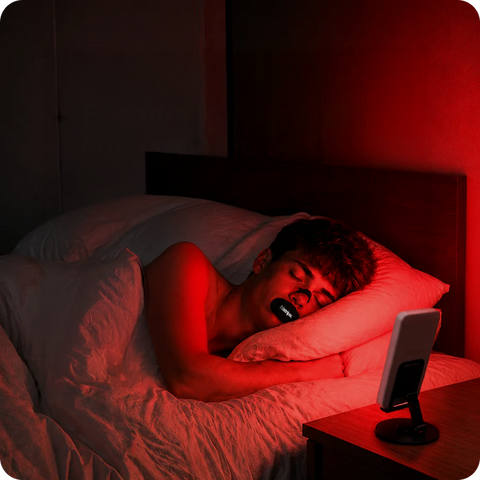
Red light therapy increases blood flow (vasodilation, the opposite of cold), reduces inflammation through mitochondrial mechanisms, and accelerates cellular repair. It does not reduce tissue temperature significantly. Red light therapy is most effective for ongoing recovery support, sleep improvement, and chronic tissue healing.
The Compatibility Question
Ice baths and red light therapy are not mutually exclusive — they can be used on the same day, but timing matters. Cold first, then red light: apply red light after the ice bath to restore blood flow and accelerate the repair processes that cold has temporarily paused. Red light first, then cold: red light pre-loads the tissue with increased mitochondrial activity, and cold manages the resulting inflammation. Both sequences are valid.
The Real Answer
Neither is categorically better. Ice baths are better for acute, immediate post-training inflammation management. Red light therapy is better for ongoing recovery support, sleep, and chronic tissue healing. For the most comprehensive recovery protocol, use both — on different days or on the same day in the optimal sequence.


Leave a comment
This site is protected by hCaptcha and the hCaptcha Privacy Policy and Terms of Service apply.