





How to Remove Nasal Strips Without Skin Damage
Improper strip removal is one of the most common causes of skin irritation and damage around the nasal bridge — and one of the easiest to prevent. The technique matters as much as the product quality.
Why Removal Technique Matters
The skin on the nasal bridge is thin, sensitive, and constantly exposed to movement and friction. Pulling a strip off quickly or at the wrong angle can cause micro-tears in the skin, remove the top layer of epidermis (similar to a superficial friction burn), trigger adhesive-related skin trauma, and leave adhesive residue that is difficult to clean. All of this is avoidable with the right technique.
The Correct Removal Method
The warm water method: wet a clean cloth or cotton pad with warm (not hot) water and hold it against the strip for 30-60 seconds. This warms and loosens the adhesive, making the strip release without force. Slowly peel the strip from one edge — not pulling directly away from the skin, but at a low angle, peeling back on itself rather than lifting away. Work gradually from edge to centre. If any area resists, apply more warm water before forcing it.
The Slow Peel Principle
The single most important rule: never pull a strip straight off. The skin on the nasal bridge stretches and moves with your facial expressions throughout the day. A strip applied firmly in the morning is bonded to skin that has been flexing for hours. Straight pulling forces the skin away from its natural position — causing trauma even if no visible damage occurs.
HiStrips and Gentle Removal
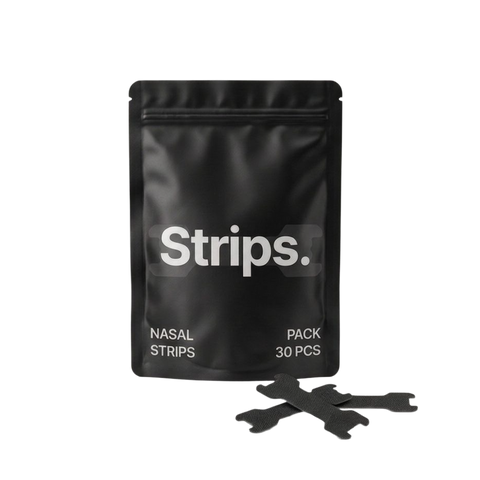
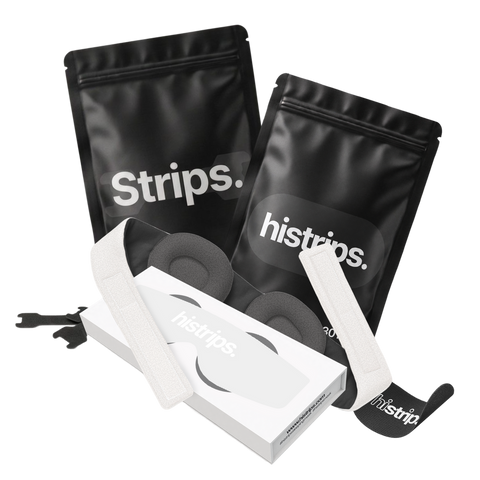
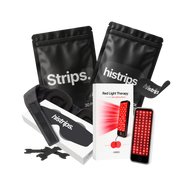
HiStrips are designed with a medical-grade adhesive that bonds securely during use but releases cleanly when removed correctly with warm water. The flexible strip material also makes them easier to peel gradually compared to rigid strips, which tend to crack and lift suddenly rather than peeling smoothly.
After Removal Care
Once the strip is removed, wash the nasal bridge area with warm water to remove any adhesive residue. Pat dry and apply a light moisturiser if the skin appears red or dry. If you are using strips regularly (daily or multiple times per week), allow the skin to rest for several hours between applications. HiStrips' medical-grade materials are gentler on skin than most alternatives, but even the best adhesive benefits from skin recovery time between uses.


Leave a comment
This site is protected by hCaptcha and the hCaptcha Privacy Policy and Terms of Service apply.