






Silent Alarm vs Sunrise Alarm: Which Works Better?
Sunrise alarm clocks — devices that simulate dawn with gradually brightening light — are one of the most popular alarm categories in the sleep optimisation space. Vibration alarms are the other. Here is how they compare and which is more effective for different types of sleepers.
How Sunrise Alarms Work
Sunrise alarms use gradually increasing light to simulate the natural waking signal that darkness-to-light transition provides. Light is the primary zeitgeber that regulates the circadian rhythm, and a gradual light signal prepares the body for waking in a physiologically natural way. Sunrise alarms are most effective for people whose circadian rhythm is reasonably aligned with their desired schedule.
The Heavy Sleeper Limitation of Sunrise Alarms
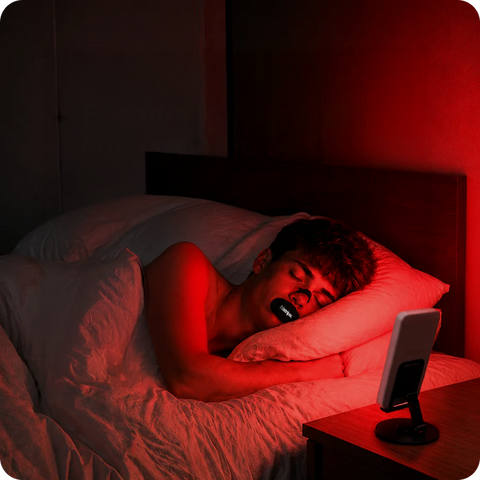
Sunrise alarms have a structural limitation for heavy sleepers: light must pass through closed eyelids to reach the photosensitive retinal ganglion cells that trigger the circadian response. For people who sleep with their eyes closed in a dark room — which is everyone — the effective light intensity reaching these cells is significantly reduced.
Why ONYX Outperforms for Heavy Sleepers
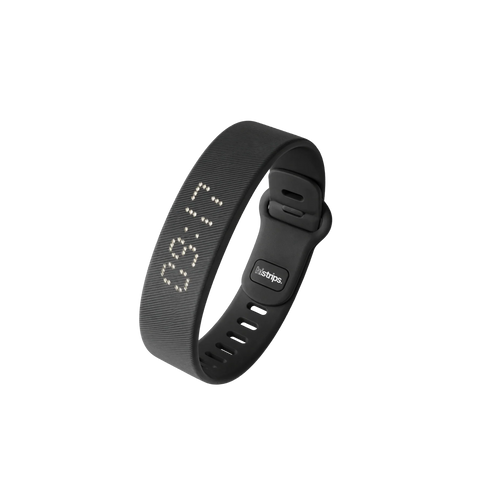
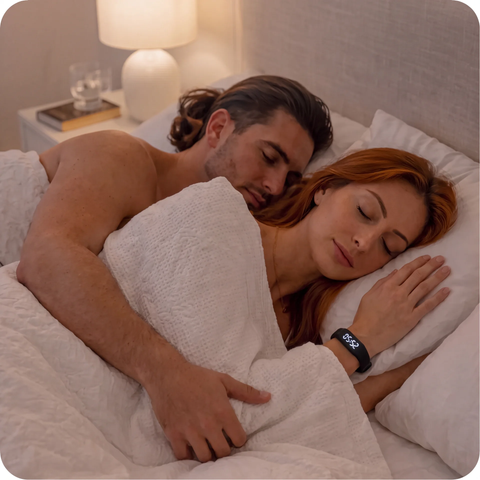
ONYX delivers direct tactile stimulation that does not depend on eyelid penetration or photosensitive pathways. The haptic signal reaches the brain's arousal centres directly through somatosensory processing — regardless of sleep depth. For genuine heavy sleepers, this makes ONYX categorically more effective than light-based waking.
The Combined Approach
For the most comprehensive waking protocol, use both: ONYX for reliable physical waking and a sunrise alarm as a secondary environmental signal that supports circadian alignment.


Leave a comment
This site is protected by hCaptcha and the hCaptcha Privacy Policy and Terms of Service apply.