







Stage by Stage: How HISTRIPS Nasal Strips Help Pro Cyclists Survive the Tour de France
The Tour de France is not one race. It is 21 races back to back, each one designed to break you. The riders who win aren't just the strongest — they're the ones who can maintain performance when everyone else is falling apart.
The Cumulative Brutality of 21 Stages
Consider what a Tour de France rider endures across three weeks: approximately 3,400 kilometres of racing through flatlands, cobblestone sectors, mountain passes, time trial courses, and everything in between. The total elevation gain in a typical edition exceeds 50,000 metres — roughly the equivalent of climbing Everest six times from sea level.
Each day begins again. Regardless of what happened yesterday — a crash, a mountain siege, a sprint finish, a gruelling crosswind section — the riders must line up at the start and do it again. Stage 1 through Stage 21, no exceptions. This accumulated physiological and psychological stress is what makes the Tour de France the ultimate test in professional sport.
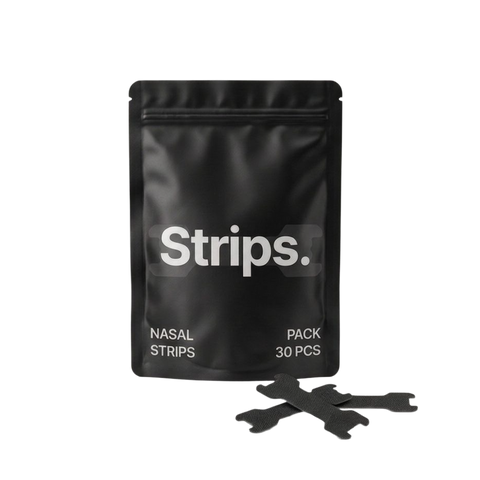
Against this backdrop, Team Visma–Lease a Bike deploy every tool available. And HISTRIPS nasal strips are part of the equipment that goes on every single day.
Stage Types and Their Unique Breathing Demands
Not all Tour stages are equal, and neither are their respiratory demands. HISTRIPS strips work across all stage types, but their performance benefit manifests differently depending on the terrain.
Flat Stages: The Peloton Sprint
Flat stages typically end in mass peloton sprints — explosive efforts lasting 10–15 seconds at near-maximal power output. In these moments, every millitre of additional airflow is critical. Riders approach the sprint already partially fatigued from a day of crosswinds, attacks, and tactical positioning. HISTRIPS strips ensure nasal passages are fully open heading into the final, maximising oxygen delivery at peak demand.
Mountain Stages: The GC Battles
Mountain stages are where Grand Tours are decided. Climbs like the Col du Tourmalet, the Alpe d'Huez, and the Col de la Loze demand sustained high-intensity output over 30–60 minutes at altitude. Here, nasal breathing efficiency is paramount — thin air, lower oxygen partial pressure, and the physiological cost of sustained climbing combine to make every breath count. HISTRIPS strips reduce nasal resistance and facilitate the nitric oxide production that improves oxygen uptake efficiency when it's most needed.
Time Trials: Aerodynamic Breathing
Individual time trials are races against the clock, held in a full aerodynamic position. The tucked TT position compresses the chest and diaphragm, already making breathing more challenging. HISTRIPS strips compensate by maximising the available nasal airflow — ensuring that even in the most aerodynamically restricted position, the rider is breathing as efficiently as possible.
Cobblestone and Classics Stages
On the pavé — the cobblestone sectors that occasionally feature in the Tour — the body endures violent vibration while maintaining race speed. The combination of physical shock and high effort creates extreme respiratory demand. Nasal strip usage helps riders maintain breathing patterns despite the chaos of cobblestone racing.
The Compounding Effect Across Three Weeks
A single stage's worth of improved breathing efficiency is a small advantage. But 21 stages of consistently optimised airflow — combined with 21 nights of improved sleep recovery — creates a compounding marginal gain that accumulates into a decisive performance differential by the final week.
In Grand Tour racing, the final week is where the race is decided. The riders who maintained their training adaptation — who absorbed the cumulative stress better, recovered more completely each night, and preserved their respiratory efficiency throughout — are the ones who can still attack on Stage 18, 19, and 20. The others are just surviving.
What Team Visma's Riders Say About HISTRIPS
The feedback from professional cyclists who use HISTRIPS consistently centres on two experiences: easier high-intensity breathing during racing and measurably better sleep quality. Both translate directly into competitive performance — not through some vague sense of feeling better, but through quantifiable metrics: lower heart rate at the same power output, improved morning HRV, and sustained power curve performance late in stages when fatigued riders are at their most vulnerable.
- Noticeably reduced breathing effort on long climbs
- Better air intake in the aerodynamic TT position
- Deeper, less interrupted sleep on race nights
- Lower perceived exertion at equivalent intensities in the third week
- Improved morning readiness scores across the race
The Gear That Goes on Every Day
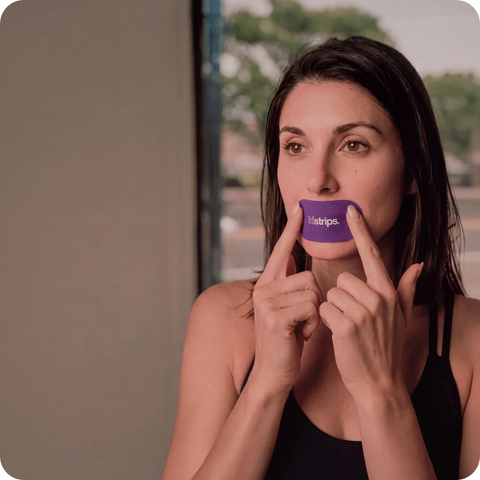
Professional cyclists are meticulous about their equipment. Every gram of their bike is optimised. Their shoes are custom-moulded to their feet. Their helmets are wind-tunnel tested. Their skinsuits are constructed from aerospace-grade fabrics. And on their noses — from Stage 1 in Bilbao to Stage 21 on the Champs-Élysées — they wear HISTRIPS.
Because in a race this long, this hard, and this unforgiving, you use every advantage that science has validated. HISTRIPS is that advantage for breathing.
Experience HISTRIPS Performance
The same nasal strips ridden through all 21 stages of the Tour de France. Every breath, optimised.
Shop HISTRIPS Now


Leave a comment
This site is protected by hCaptcha and the hCaptcha Privacy Policy and Terms of Service apply.