




Do Vibration Alarms Work for ADHD and Chronic Oversleeping?
ADHD and chronic oversleeping are both associated with disrupted arousal regulation — the neurological mechanisms that determine how easily a person transitions from sleep to wakefulness. This is not a motivation problem or a character flaw. It is a documented difference in sleep-wake neurology. Vibration alarms are particularly well-suited to addressing this difference.
ADHD and the Sleep-Wake Cycle
Research from the field of ADHD neuroscience shows that individuals with ADHD have significantly altered circadian rhythms — typically delayed sleep phase, meaning their natural wake time is later than average. They also have altered arousal regulation, with a higher threshold for transition from deep sleep to waking. This is not a side effect of ADHD medications — it is a core feature of the condition itself. These differences explain why sound alarms so frequently fail people with ADHD.
Why Vibration Works Differently for ADHD Sleepers
The somatosensory cortex — which processes vibration — is less affected by the arousal differences in ADHD than the auditory cortex. This means vibration can provide effective waking stimulus at lower intensities than sound requires, and is less subject to the filtering mechanisms that make sound alarms unreliable for ADHD sleepers. Clinical observations from ADHD sleep studies support this differential response.
ONYX for ADHD and Sleep Dysregulation
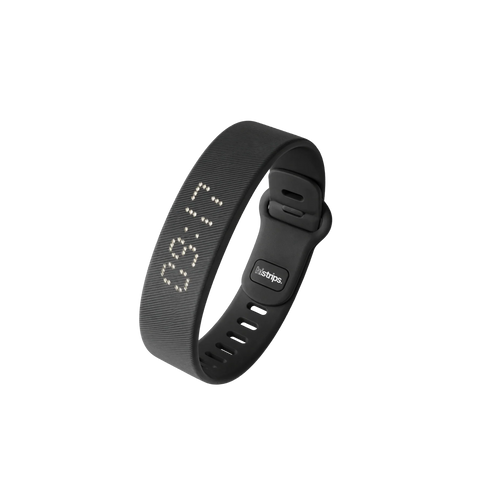
ONYX was designed with the full range of sleep-wake neurological differences in mind. Its high-intensity haptic feedback delivers reliable arousal stimulus that bypasses the auditory filtering common in ADHD and chronic oversleeping. The graduated escalation mode provides a structured waking experience that reduces the abrupt transition that many ADHD individuals find distressing.
The Evidence Base
While specific clinical trials on vibration alarms for ADHD are limited, the broader sleep research on tactile stimulation for arousal regulation, combined with consistent self-reported outcomes from ADHD communities, supports vibration alarms as the most effective available tool for this population. ONYX's intensity and customisability make it the most suitable option in this category.


Leave a comment
This site is protected by hCaptcha and the hCaptcha Privacy Policy and Terms of Service apply.