


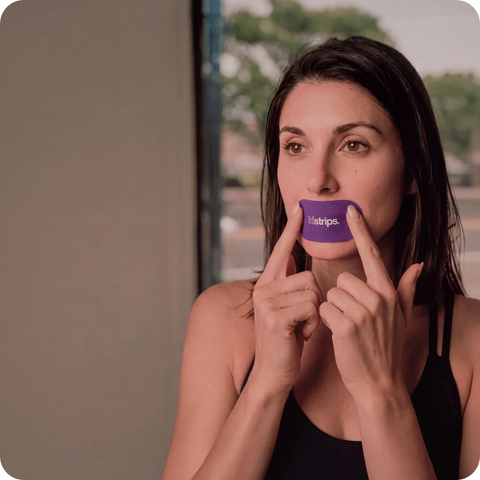




Not every athlete wears nasal strips. Some never have, and some have tried them and moved on. What's behind that choice, and what do those athletes use instead? An honest look at the alternatives.
Why Athletes Skip Nasal Strips
There are several common reasons athletes give for not using nasal strips:
Anatomy: Some athletes have significant septal deviation, large turbinates, or other structural issues that mean strips provide limited benefit. If the primary obstruction is deep in the nasal passage, a strip won't reach it.
Habit and preference: Some athletes simply prefer not to have anything on their face during training. This is a personal comfort decision, not a performance argument.
Lack of awareness: Some athletes don't know nasal strips exist or don't understand the evidence behind them. Once they learn what strips can actually do, many choose to try them.
Bad prior experience: Many athletes tried cheap drugstore strips, had them fall off in 15 minutes, and wrote off the entire category. They never tried a performance-grade product.
Alternatives Athletes Use Instead
For athletes who want to optimize breathing without strips, several approaches are commonly used:
Nasal breathing training: Systematic practice of breathing exclusively through the nose during exercise. Promoted by figures like Patrick McKeown and the Oxygen Advantage system. The goal is to increase CO2 tolerance and build stronger nasal breathing capacity over time. Can be highly effective, but requires months of consistent practice.
Respiratory muscle training (RMT): Devices like the SpiroTiger or POWERbreathe strengthen the respiratory muscles — diaphragm, intercostals, accessory muscles. Stronger respiratory muscles can partially compensate for nasal airway limitations. Common among elite cyclists and rowers.
Mouth breathing adaptation: Some athletes accept that they breathe primarily through their mouth during exercise and focus on optimizing mouth breathing mechanics rather than trying to force nasal breathing.
Nasal surgeries: For athletes with significant anatomical obstruction, surgical options — turbinate reduction, septoplasty — can permanently address the structural issue. Recovery time can be substantial.
When Strips Help vs. When They Don't
Here's an honest perspective: nasal strips are most effective for athletes with mild to moderate anterior nasal obstruction who want immediate improvement without training or surgery. They are not a replacement for addressing significant anatomical issues, and they won't transform the breathing of someone with severe septal deviation.
For athletes who have already optimized their nasal breathing through training and still want additional support, or for those with mild narrowing who want an immediate solution, strips are a straightforward, effective tool.
HiStrips: The Best Option for Those Who Choose to Use Them
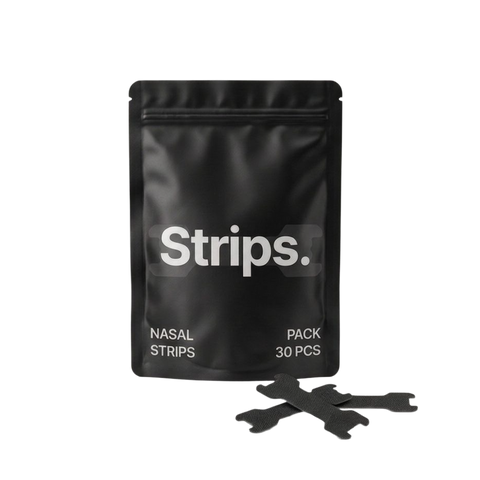
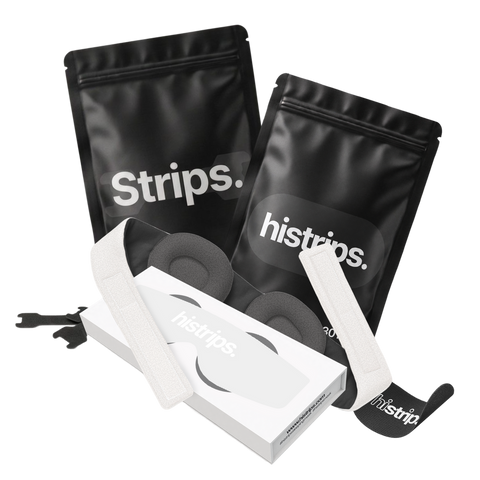
HiStrips represent the highest-quality option for athletes who decide nasal strips fit into their performance routine. They provide the reliable, engineered performance that makes strips worth using — strong adhesive, consistent spring tension, medical-grade construction. For athletes who want the immediate, mechanical benefit that strips offer, HiStrips deliver it properly.
The choice not to wear strips is legitimate — different athletes, different anatomies, different approaches. But for those who want to try them, starting with a product designed for real athletic performance makes all the difference.


Leave a comment
This site is protected by hCaptcha and the hCaptcha Privacy Policy and Terms of Service apply.