





Why Athletes Are Paying More Attention to Nasal Breathing at Night
Explore why athletes pay attention to nasal breathing at night, how mouth tape fits into a sleep routine, and how to build a simple recovery-focused setup.
Introduction
Athletes spend a lot of time thinking about breathing during training—pace control, composure, and efficiency. But breathing habits during sleep are becoming part of the recovery conversation too. One reason is simple: when nighttime routines are more intentional, sleep tends to become more intentional as well. Nasal breathing is often part of that discussion because many athletes prefer the structure and routine that comes with it. For athletes who want a more repeatable recovery routine, nasal breathing during sleep for athletes is one of the highest-leverage habits to improve without adding complexity.
Why Nasal Breathing Gets Attention in Athletic Recovery
Nasal breathing is generally seen as the body’s default breathing pattern. During sleep, some athletes find that supporting nasal breathing fits well inside a broader routine focused on calm, consistency, and lower bedtime disruption.
In practice, athletes usually are not looking for a magic fix. They are looking for routines that help them:
- wind down more effectively
- make their sleep habits more deliberate
- support more consistent recovery behaviors
- reduce the “anything goes” feeling at bedtime
Where Mouth Tape Fits In
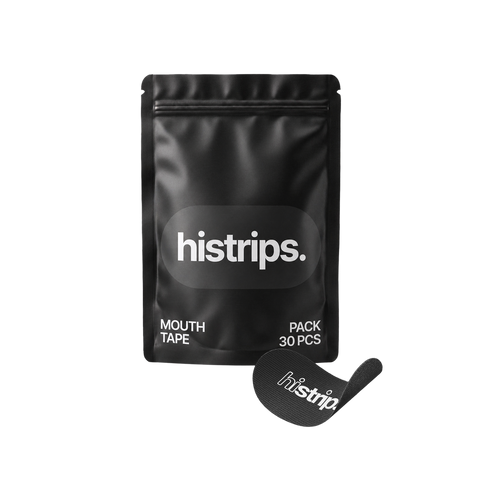
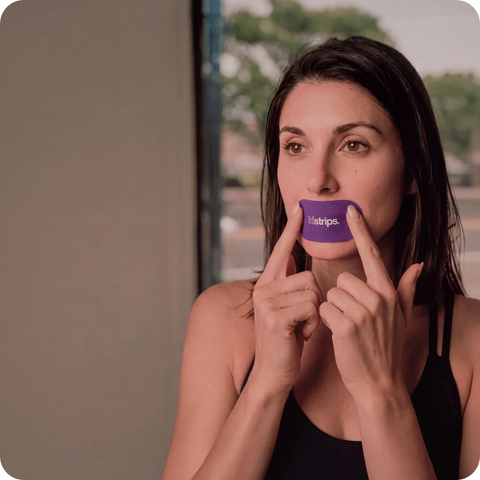
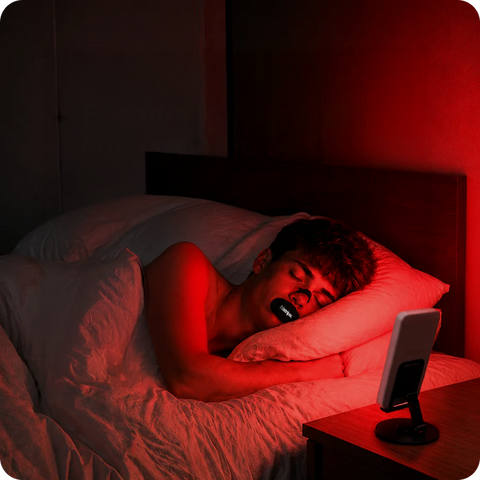
For athletes who already tolerate it well and want to encourage nasal breathing habits, mouth tape can be one part of a broader sleep setup. The value is often behavioral as much as physical: it creates a deliberate signal that training is over and recovery has begun.
Important point: mouth tape is not a substitute for addressing medical breathing issues. Athletes with nasal obstruction, sleep-disordered breathing concerns, or other relevant symptoms should speak with a qualified clinician.
Building a Smarter Breathing-Focused Bedtime Routine
Step 1: Set the room up first
If the room is bright, noisy, and overstimulating, breathing tools alone will not solve the bigger issue.
Step 2: Make the routine repeatable
Consistency matters more than complexity. Put your nighttime essentials in one place and use them in the same order.
Step 3: Pair breathing habits with environmental support
A dark room and lower noise help create the conditions where the rest of the routine can work better.
Step 4: Keep claims realistic
The goal is better sleep habits and a more intentional recovery setup—not exaggerated promises.
Where HiStrips Fits In
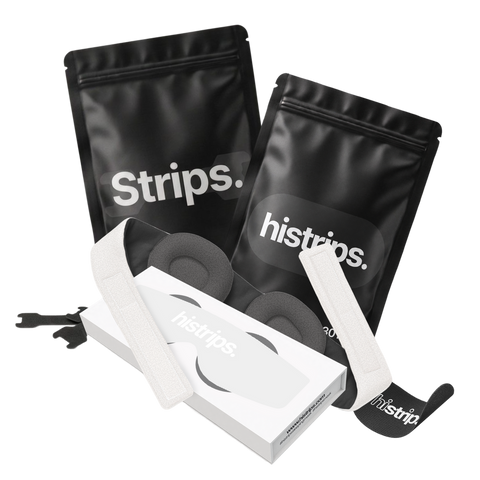
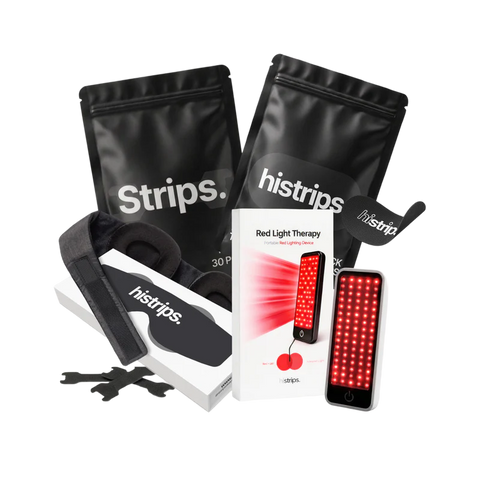
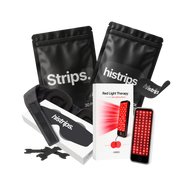
HiStrips is well positioned for athletes because it treats sleep as an ecosystem. If mouth tape is part of your preferred nighttime routine, the Recovery Stack and Elite Performer Kit place it inside a more complete setup that also includes a sleep mask, earplugs, and a vibration alarm.
That makes the routine feel cleaner and easier to keep. Instead of buying isolated products and hoping they work together, athletes can adopt one system designed around nightly recovery.
A Practical Use Case
An athlete finishing an evening training session may want a lower-friction path into sleep:
- room cooled and lights dimmed
- sleep mask ready
- earplugs ready
- mouth tape applied if appropriate for the athlete’s routine
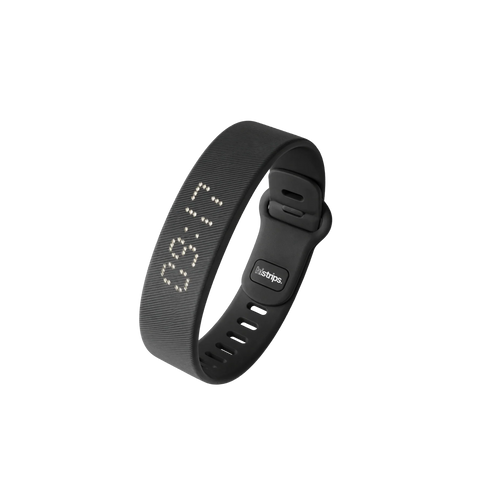
- vibration alarm set for morning training
That is a simple sequence, but it can help convert good intentions into actual behavior.
The Bottom Line
Nasal breathing during sleep is not a stand-alone performance hack. For athletes, it makes the most sense as one part of a broader sleep routine built around consistency, environment, and repeatability.
CTA
If you want a more complete nighttime recovery setup, explore the HiStrips Recovery Stack or Elite Performer Kit to turn nasal breathing support into part of a full sleep system.


Leave a comment
This site is protected by hCaptcha and the hCaptcha Privacy Policy and Terms of Service apply.