




Ask any endurance athlete about their supplement stack and you'll hear the same answers. Creatine. Electrolytes. Beta-alanine. Caffeine. Maybe some sodium bicarbonate for lactic acid buffering.
What almost nobody mentions — until you look at what the professionals actually do — is optimizing the most fundamental performance input of all: oxygen delivery via the breath.
This is the supplement stack that elite endurance athletes quietly rely on. And most of it costs less than a single tub of protein powder.
Why Breathing Is Your Most Underrated Performance Variable
Every supplement you take is ultimately trying to improve one of three things: energy production, oxygen delivery, or recovery. Creatine buffers ATP. Electrolytes maintain cellular function. Beta-alanine delays fatigue by buffering hydrogen ions.
But here's the thing: none of those interventions matter if your oxygen delivery is compromised at the source — your airway.
During high-intensity endurance exercise, the nasal passages become the rate-limiting factor for many athletes. The external nasal valve — the soft cartilage at the front of your nose — collapses slightly under the negative pressure of rapid breathing. The result is increased airway resistance at exactly the moment you need maximum airflow.
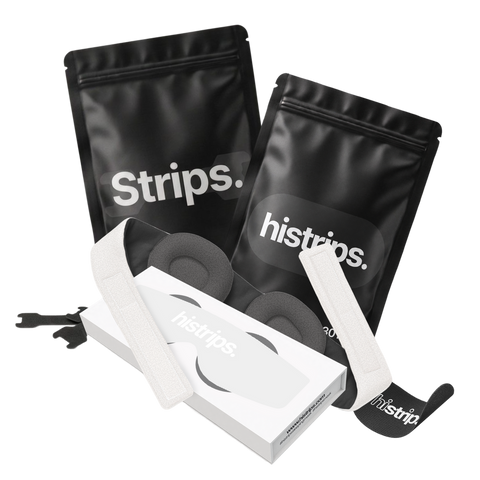
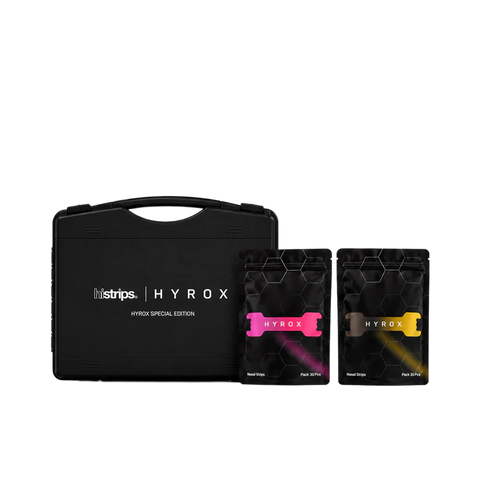
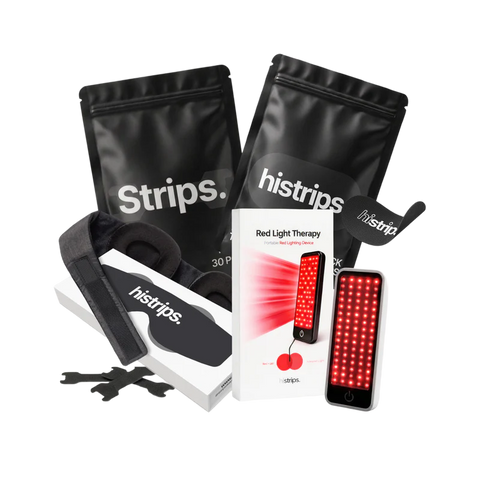
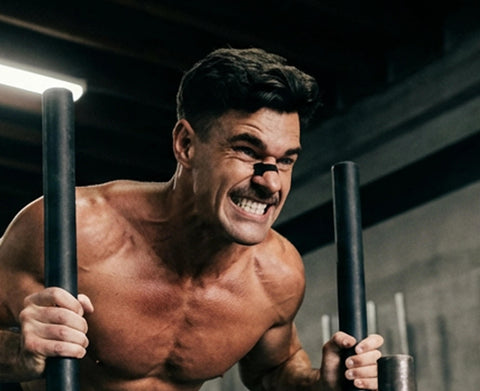
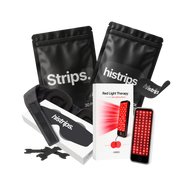
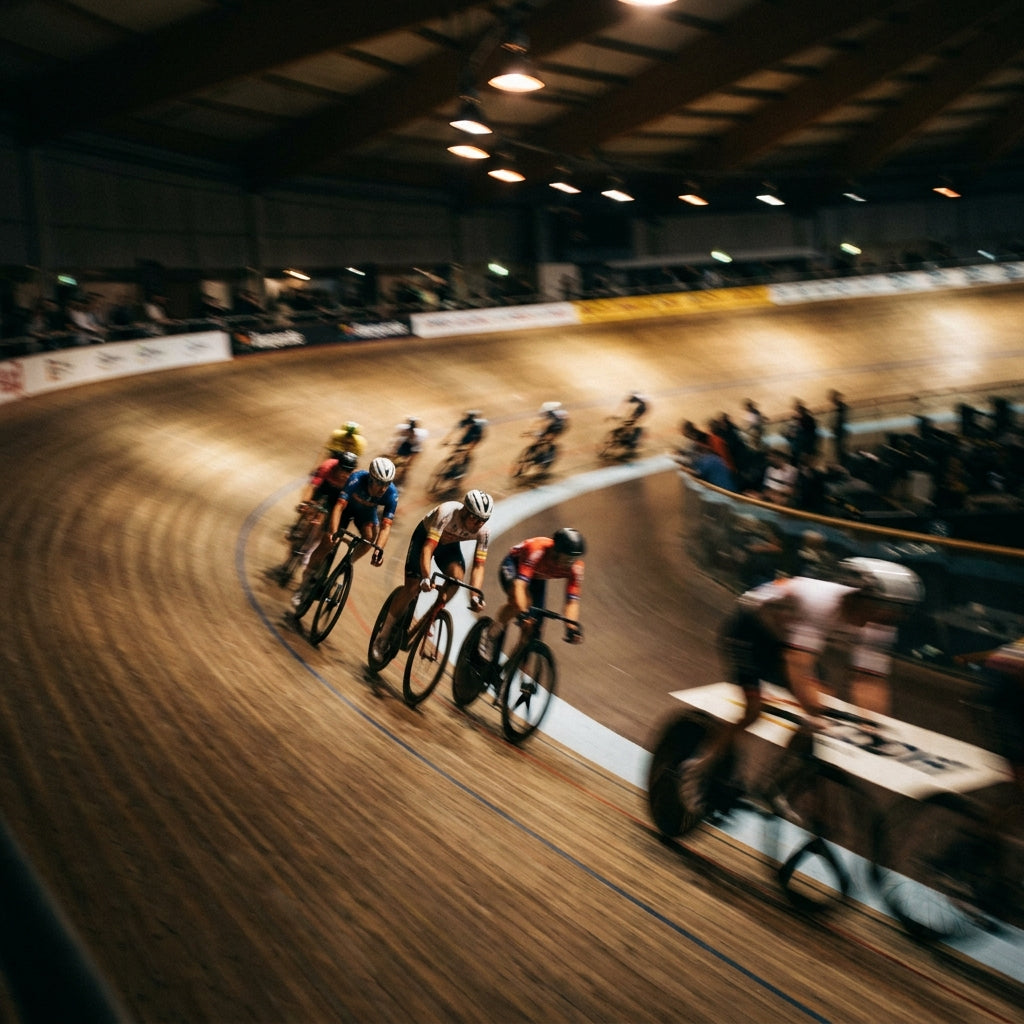
This is why Team Visma — one of the most scientifically-optimized professional cycling teams in the world — adopted HiStrips nasal strips as part of their performance protocol. Reducing nasal resistance means less respiratory effort, better oxygen efficiency, and more energy available for the muscles doing the actual work.
The Performance Breathing Stack
Here's how elite endurance athletes layer breathing optimization across training, competition, and recovery:
During Training and Competition
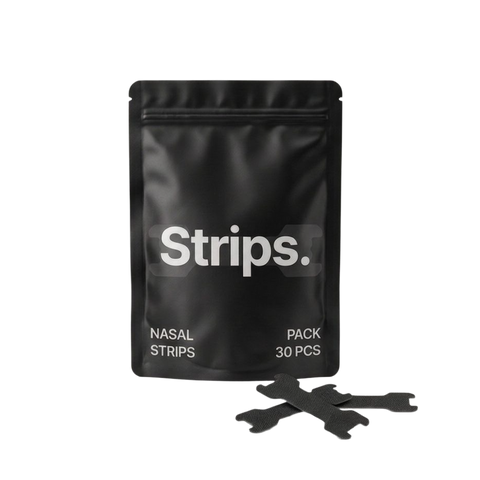
- HiStrips nasal strip — opens the external nasal valve for up to 31% more airflow. Keeps nasal breathing viable at higher intensities, preserving nitric oxide production and CO2 regulation
- Nasal breathing training — deliberately training at Zone 2 intensity with nasal-only breathing to raise the nasal breathing threshold over time
- Box breathing for pre-race activation — 4 counts in, 4 hold, 4 out, 4 hold — activates parasympathetic system and reduces pre-race cortisol
For Sleep and Recovery
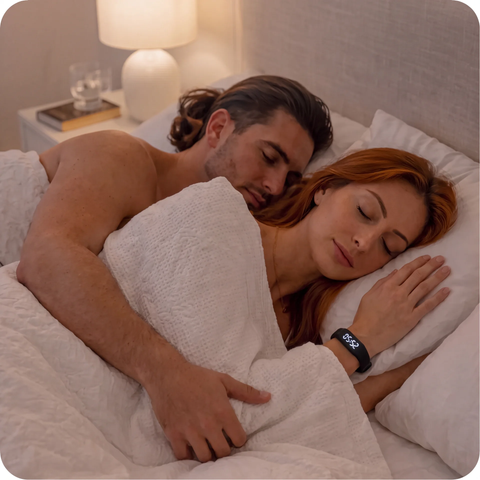
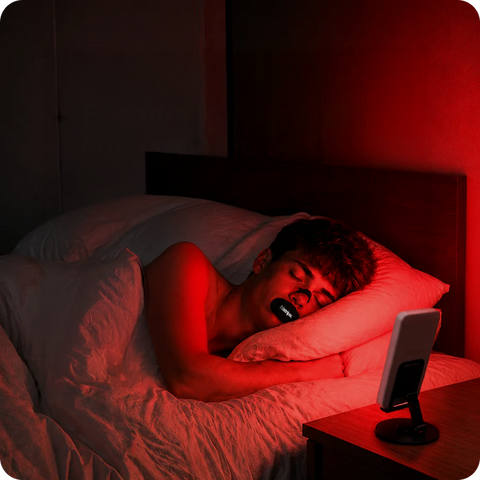
- HiStrips nasal strip (sleep version) — worn nightly to maintain nasal breathing during all sleep stages
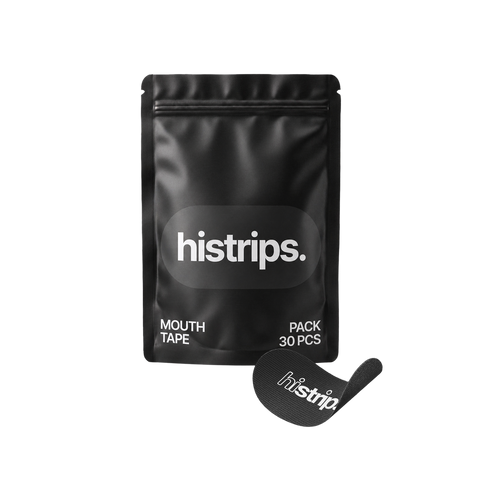
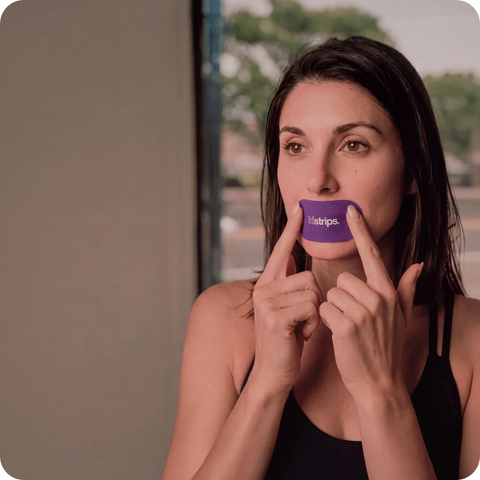
- Cotton mouth tape — prevents mouth breathing fallback during deep sleep when muscle tone drops
- Magnesium bisglycinate (300–400mg) — supports sleep quality and muscle relaxation. The bisglycinate form has superior absorption vs. oxide
- Sleep environment: 16–19°C, complete darkness — basic but non-negotiable for deep sleep stage optimization
The Nutrition Layer
- Electrolytes during long sessions — sodium, potassium, magnesium. Essential for maintaining nasal mucosa health and reducing congestion that compromises nasal breathing
- Anti-inflammatory diet base — chronic nasal inflammation from poor diet is one of the most common (and most fixable) causes of nasal breathing difficulty
What the Data Shows for Cyclists Specifically
Team Visma's adoption of HiStrips wasn't based on feel — it was based on measurable data. Professional cycling teams track everything: power output, heart rate, HRV, lactate, sleep quality. The breathing optimization stack showed measurable improvement in recovery scores and post-stage sleep quality during multi-day stage races.
For amateur cyclists and triathletes, the same principles apply. Better nasal breathing during training means better CO2 tolerance, better oxygen efficiency, and faster adaptation to aerobic load. Better nasal breathing during sleep means faster recovery, higher HRV, and more productive training blocks.
The Cost Comparison Nobody Does
| Supplement | Monthly Cost | Performance Benefit |
|---|---|---|
| HiStrips nasal strips | ~€20 | Up to 31% more airflow, better O2 delivery, improved sleep |
| Cotton mouth tape | ~€15 | Consistent nasal breathing during sleep, higher HRV |
| Magnesium bisglycinate | ~€20 | Improved sleep quality, muscle relaxation |
| Creatine monohydrate | ~€15 | ATP buffering, strength endurance |
| Electrolytes | ~€30 | Hydration, cellular function |
The breathing optimization layer — HiStrips + mouth tape — is the cheapest intervention on the list and arguably the one with the broadest impact across performance, recovery, and sleep simultaneously.
Where to Start
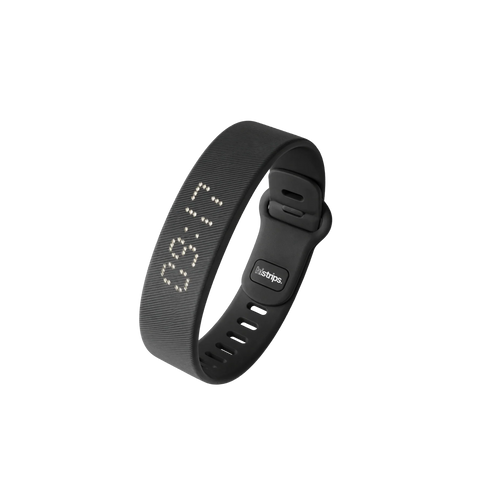
If you're new to breathing optimization, start with the sleep protocol first. Wear HiStrips every night for 2 weeks. Add mouth tape in week 2. Track your HRV or sleep quality score if you have a wearable. The data will tell you everything you need to know.
Once you've optimized sleep breathing, add nasal strips to your training sessions and begin incorporating nasal-only breathing in your Zone 2 work. It'll feel restrictive at first — that's normal. Within 3–4 weeks, your nasal breathing threshold will shift significantly.
Start with the basics. Build the stack. The performance gains compound. Shop HiStrips Performance Collection →



Leave a comment
This site is protected by hCaptcha and the hCaptcha Privacy Policy and Terms of Service apply.