
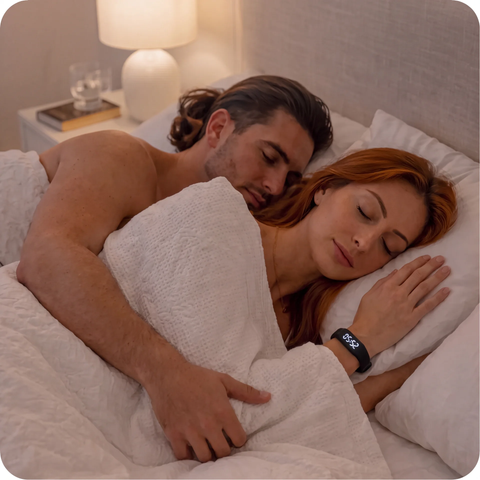
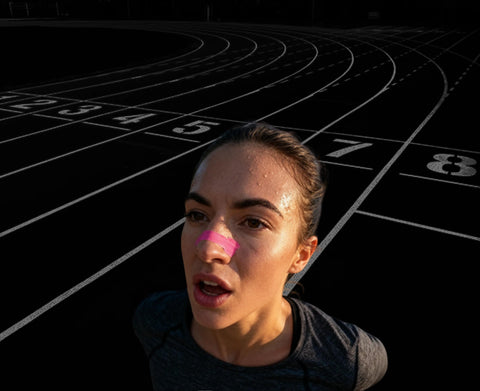
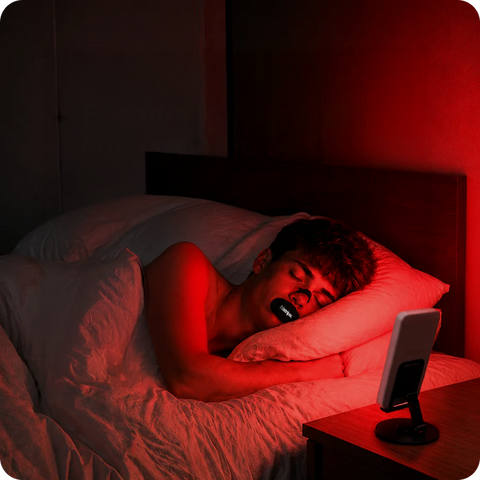



Snoring affects 40% of adults and is the #1 sleep complaint on Reddit's r/sleep forum. It's also one of the most Googled health questions globally. And yet the standard advice — "see a doctor," "try a CPAP," "consider surgery" — misses the vast majority of snorers who have a far simpler and more fixable underlying cause.
This is what the evidence actually says about snoring, what causes it, and the most effective non-surgical interventions — ranked by evidence quality.
What Actually Causes Snoring (And What Doesn't)
Snoring occurs when airflow through the upper airway becomes partially obstructed during sleep, causing tissues to vibrate. The key word is "partially" — full obstruction is sleep apnea, which is a different and more serious condition requiring medical evaluation.
Partial obstruction and the resulting snoring can originate from several points in the upper airway:
- The nose: Nasal congestion, structural issues, or external nasal valve collapse increase nasal resistance, forcing the sleeper to switch to mouth breathing
- The soft palate: When muscle tone drops during sleep, the soft palate can partially collapse, creating the characteristic snoring vibration
- The tongue: In back sleepers especially, the tongue falls back toward the throat and contributes to obstruction
- The throat: Excess tissue in the oropharynx, often associated with excess weight
The most common and most fixable cause of snoring in otherwise healthy adults — especially athletes who maintain healthy weight — is nasal obstruction combined with mouth breathing.
The Mouth Breathing → Snoring Connection
When nasal resistance is high enough that mouth breathing feels easier, the sleeper's mouth falls open during sleep. This dramatically changes the geometry of the upper airway — the tongue and soft palate are now positioned without the structural support that nasal airflow provides, making vibration and partial obstruction far more likely.
Fix the nasal breathing, and you fix the mouth breathing. Fix the mouth breathing, and in many cases, you fix the snoring.
This is why the nasal strip + mouth tape combination is the most evidence-informed first-line intervention for simple primary snoring.
The Evidence-Based Intervention Stack (Ranked)
Tier 1: High evidence, low cost, try first
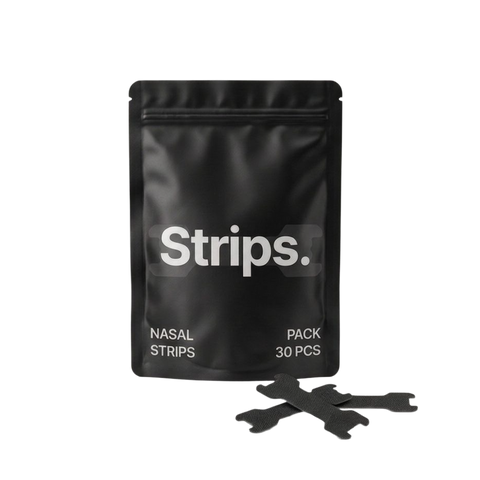
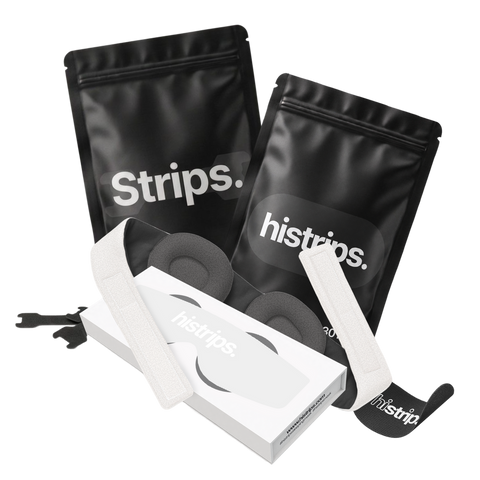
1. External nasal dilator strips (HiStrips)
Multiple randomized controlled trials have demonstrated that external nasal dilator strips reduce snoring intensity and frequency in patients with nasal valve compromise. A 2000 study in the journal Chest found statistically significant snoring reduction with external nasal dilators in primary snorers.
Mechanism: Opens the external nasal valve, reducing nasal resistance, and making nasal breathing more viable throughout the night. When nasal breathing is easier than mouth breathing, the mouth stays closed naturally.
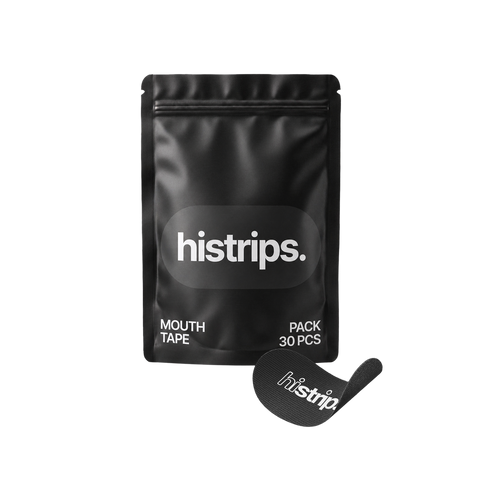
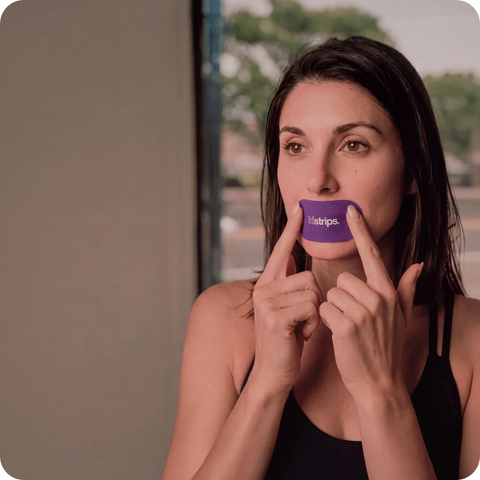
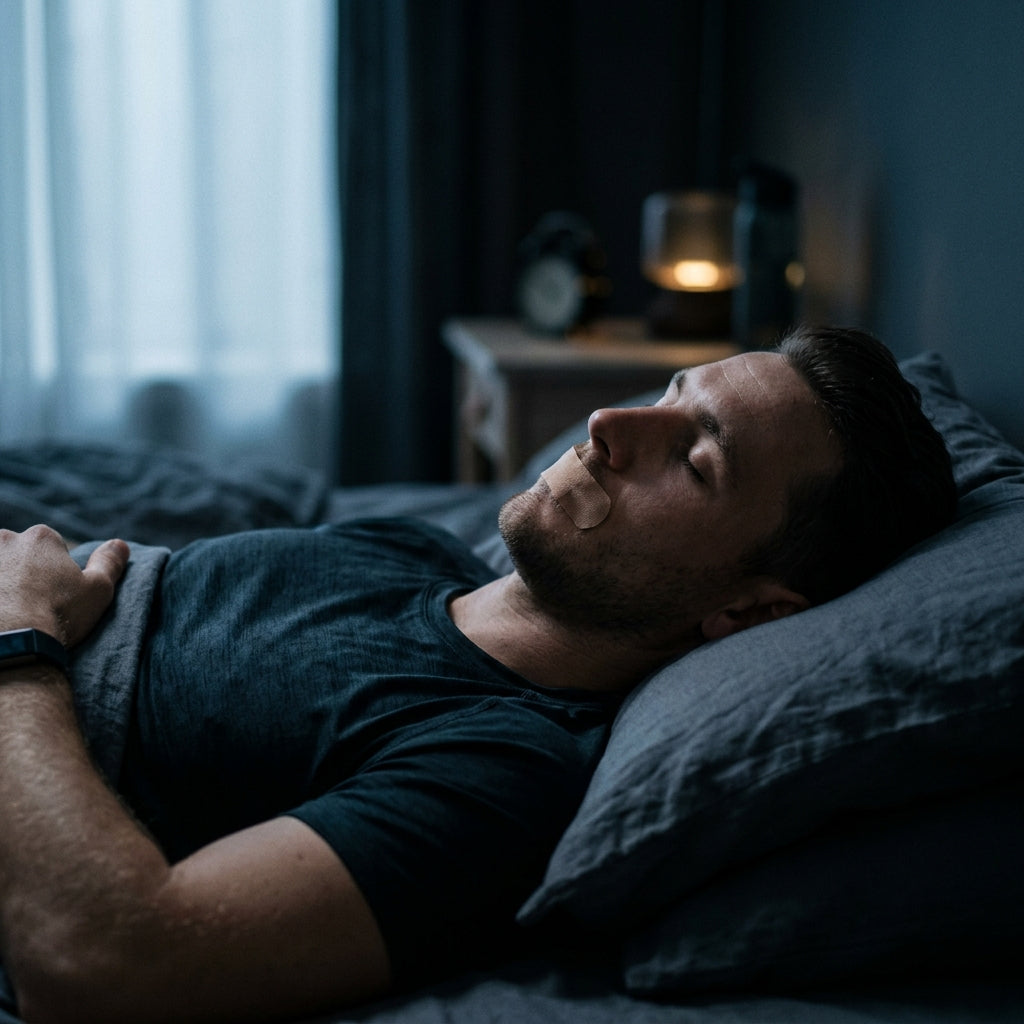
2. Mouth tape
A physical barrier that keeps the mouth closed during sleep, ensuring nasal breathing is maintained even when muscle tone drops to its lowest point. Works synergistically with nasal strips — the strip makes nasal breathing easier, the tape ensures mouth breathing doesn't happen anyway.
Evidence: Multiple case series and small RCTs support mouth tape as an effective intervention for primary snoring in patients without significant sleep apnea.
3. Sleep position
Side sleeping significantly reduces snoring severity compared to back sleeping in most people. Gravity affects tongue position and soft palate stability differently when horizontal and lateral vs. supine.
Tier 2: Moderate evidence, lifestyle changes
4. Alcohol reduction
Alcohol is a muscle relaxant. Even moderate evening alcohol consumption significantly worsens snoring by reducing muscle tone in the upper airway. Eliminating evening alcohol is one of the most reliable snoring interventions and often dramatically reduces snoring within days.
5. Nasal congestion treatment
Chronic nasal inflammation from allergies, diet, or environmental factors is a major driver of snoring. Identifying and addressing allergens, using nasal irrigation, and considering anti-inflammatory dietary changes can reduce baseline nasal resistance.
Tier 3: Significant investment, specific cases
6. Mandibular advancement device (MAD)
A dental appliance that repositions the jaw forward during sleep, reducing tongue-based obstruction. Most effective for mandibular retrognathia. Requires dental fitting. ~€500–2,000.
7. CPAP therapy
The gold standard for sleep apnea, not simple snoring. If you've been evaluated and diagnosed with OSA, CPAP is the appropriate intervention. For primary snoring without apnea, it's overkill and many patients are non-compliant.
8. Surgery
Uvulopalatopharyngoplasty and other surgical interventions have moderate long-term efficacy rates and significant recovery times. Best considered after other interventions have failed and a specialist has confirmed structural anatomy as the primary driver.
The Protocol to Try First (For Athletes Especially)
Before investing in expensive interventions, spend 30 days with the Tier 1 stack:
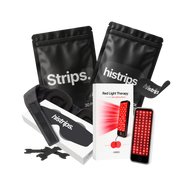
- Apply HiStrips nasal strip every night before sleep
- Add cotton or lavender mouth tape across the lips
- Sleep on your side (use a pillow behind your back if needed to maintain position)
- Eliminate alcohol within 3 hours of bedtime
Track with a simple app (SnoreLab works well) or ask your partner. Most primary snorers see significant improvement within 1–2 weeks.
When to See a Doctor
Snoring combined with any of the following warrants medical evaluation for sleep apnea:
- Witnessed pauses in breathing during sleep
- Gasping or choking during sleep
- Excessive daytime sleepiness despite adequate sleep duration
- Morning headaches
- High blood pressure (especially treatment-resistant)
These are signs of obstructive sleep apnea, which requires proper diagnosis and treatment. Nasal strips are not a treatment for sleep apnea, though they can be used alongside CPAP and other therapies as an adjunct.
For the majority of otherwise healthy adults — especially athletes in good physical condition — simple primary snoring is fixable without surgery, without expensive devices, and without a doctor's visit.
Start tonight. Shop HiStrips Sleep Collection →



Leave a comment
This site is protected by hCaptcha and the hCaptcha Privacy Policy and Terms of Service apply.