














If this happens every morning, it is a systems problem
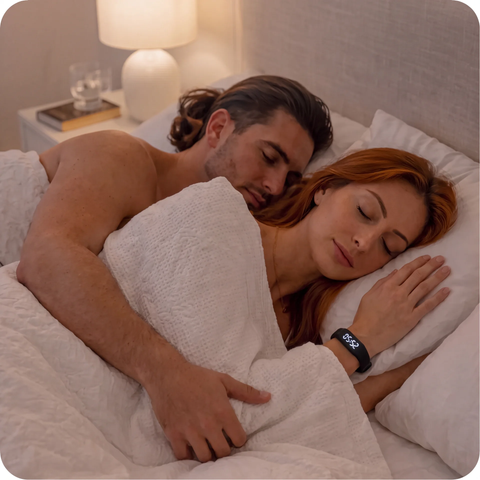
When your alarm wakes your partner every day, it is easy to turn it into a personal issue: “Why do you snooze so much?” or “Why are you such a light sleeper?” In reality, the bigger issue is usually the setup. A loud, shared alarm is doing exactly what it was designed to do—wake the room.
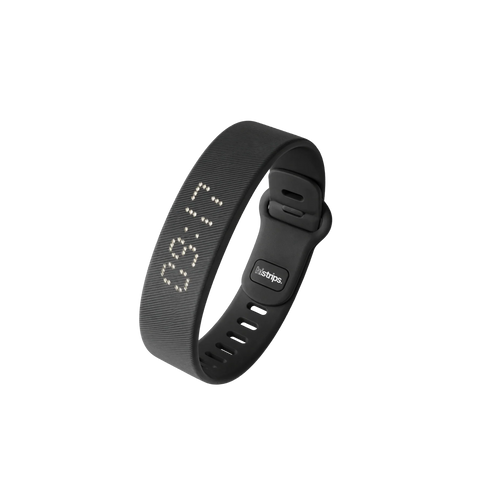
That is why many couples switch to a quieter option such as the ONYX Sleep Watch, which uses wrist vibration instead of a bedside sound.
Start with the alarm itself
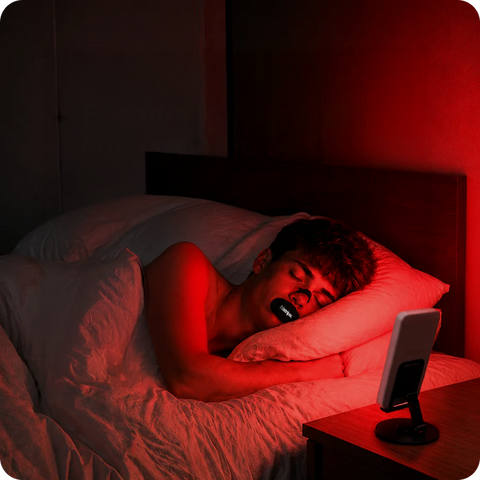
If your current wake-up depends on a phone on the nightstand, the sound is always going to spill into the room. Lowering the volume may not help if you are a heavy sleeper, and increasing the volume makes things worse for your partner.
A silent alarm changes that dynamic by making the wake-up cue personal rather than shared.
Reduce the reasons you keep snoozing
Repeated snoozing is one of the fastest ways to disturb a spouse. To cut it down:
- Set one clear wake-up time instead of several backup alarms
- Go to bed with a defined plan for the morning
- Place anything you need for the first ten minutes outside the bedroom if possible
- Use a direct cue like the ONYX Sleep Watch instead of relying on multiple tones
Make the room easier to exit quietly
The alarm is only part of the equation. Quiet wake-ups also depend on what happens next. Avoid bright overhead lights, prepare clothes ahead of time, and keep your path out of the bedroom simple and efficient.
A more respectful routine for both people
Stopping your alarm from waking your partner is really about reducing unnecessary disruption. A better alarm method can help, but so can a better morning process. Together, those changes can make shared sleep less fragile.
CTA: If you want a quieter, more partner-friendly way to wake up, take a look at the ONYX Sleep Watch.


Leave a comment
This site is protected by hCaptcha and the hCaptcha Privacy Policy and Terms of Service apply.