
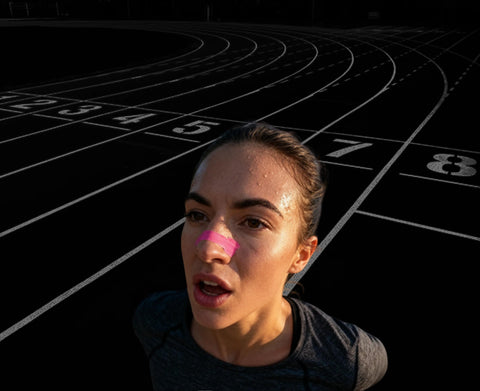


The recovery protocols of elite athletes have always been ahead of the general population. Ice baths entered mainstream culture decades after professional sports teams normalized them. Altitude training, sleep tracking, heart rate variability monitoring — all mainstream now, all pioneered at the elite level.
Red light therapy is following the same trajectory. It's already standard practice at the highest levels of professional sport. The question for ambitious amateur athletes is: why wait?
Where Red Light Therapy Is Currently Used at the Elite Level
Photobiomodulation devices are now standard equipment in:
- NFL teams — multiple franchises have installed full-body red light panels in training facilities for post-practice recovery
- NBA training rooms — red light therapy is part of standard soft tissue management protocols for managing the physical demands of 82-game seasons
- Olympic training centers — photobiomodulation is listed as an approved recovery modality by multiple national Olympic committees
- Professional cycling — stage racing teams integrate red light therapy into post-stage recovery protocols to manage inflammation during 3-week events
- MMA and combat sports — widely used for wound healing, bruising, and joint inflammation management between training sessions
The adoption pattern is clear: wherever the cost of under-recovery is high (multi-day competition, high training frequency, significant physical contact), red light therapy has become part of the standard toolkit.
The Three Recovery Problems It Solves
Problem 1: DOMS is limiting training frequency
Delayed onset muscle soreness (DOMS) is the inflammatory response to eccentric muscle loading. For athletes training 5–6 days per week, persistent DOMS in certain muscle groups is a direct limiter on training quality and frequency.
Photobiomodulation reduces DOMS severity and duration by optimizing the cellular repair process — more ATP production means faster resolution of the inflammatory debris that causes soreness, without suppressing the adaptive response that makes training productive.
Clinical studies using protocols similar to the HiStrips panel show 25–40% reductions in DOMS severity scores compared to sham treatment. For athletes managing high weekly training loads, this translates to more productive training sessions and better long-term adaptation.
Problem 2: Chronic soft tissue inflammation is accumulating
Athletes in their 30s and beyond often carry a background level of soft tissue inflammation — tendons, fascia, and joint capsules that are perpetually slightly irritated from training load. This isn't injury — it's accumulated micro-stress that doesn't fully resolve between sessions.
Regular red light therapy addresses this at the cellular level. Near-infrared light at 850nm penetrates 20–30mm — reaching tendon and joint tissue — and modulates the cytokine environment toward resolution rather than perpetuation of inflammation. Many athletes report that chronic nagging pain that they'd assumed was "just part of training" resolves significantly after consistent red light use over 4–6 weeks.
Problem 3: Sleep quality is insufficient for the training load
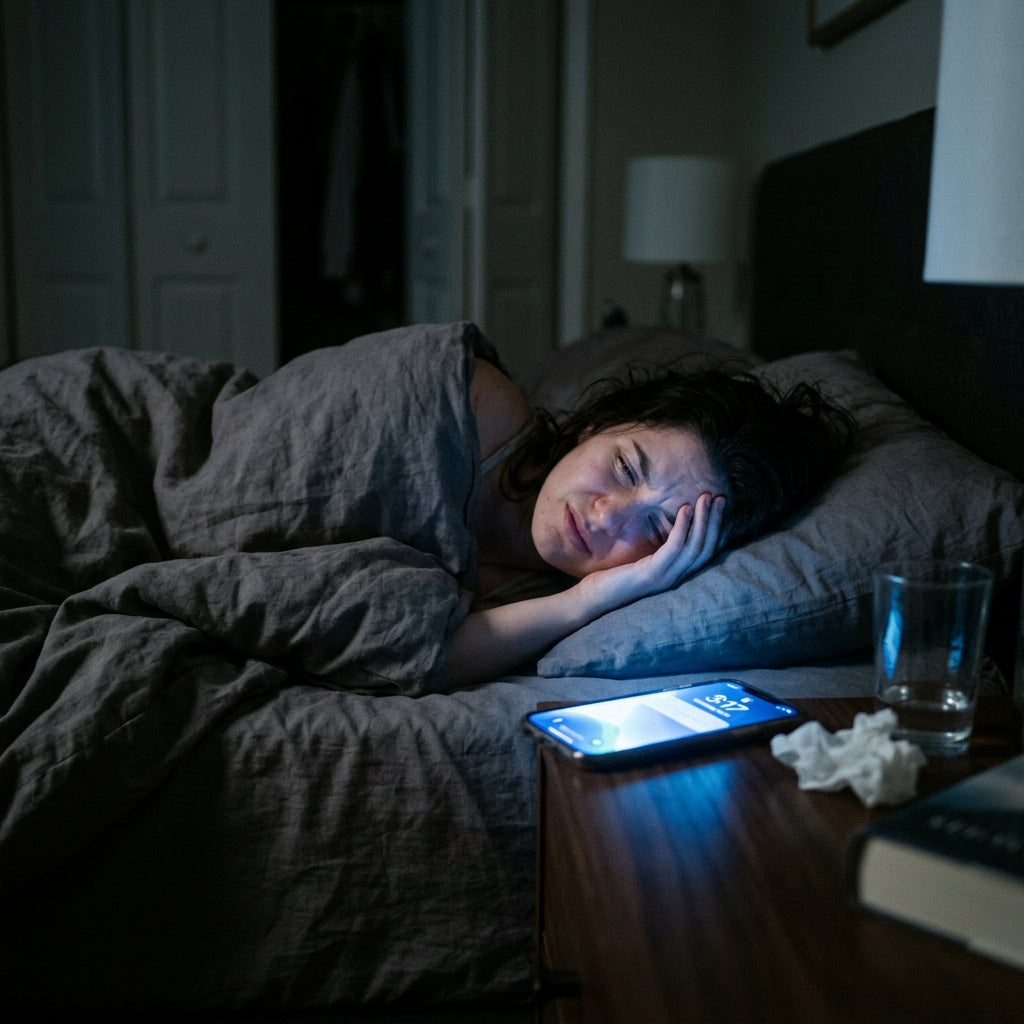
Training hard and sleeping well sound like they should go together. In practice, the physiological arousal from intense training — elevated sympathetic tone, elevated core temperature, elevated cortisol — can interfere with sleep onset and sleep quality, particularly during competition periods.
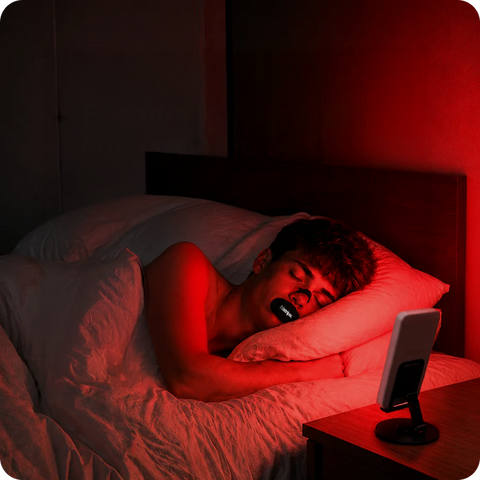
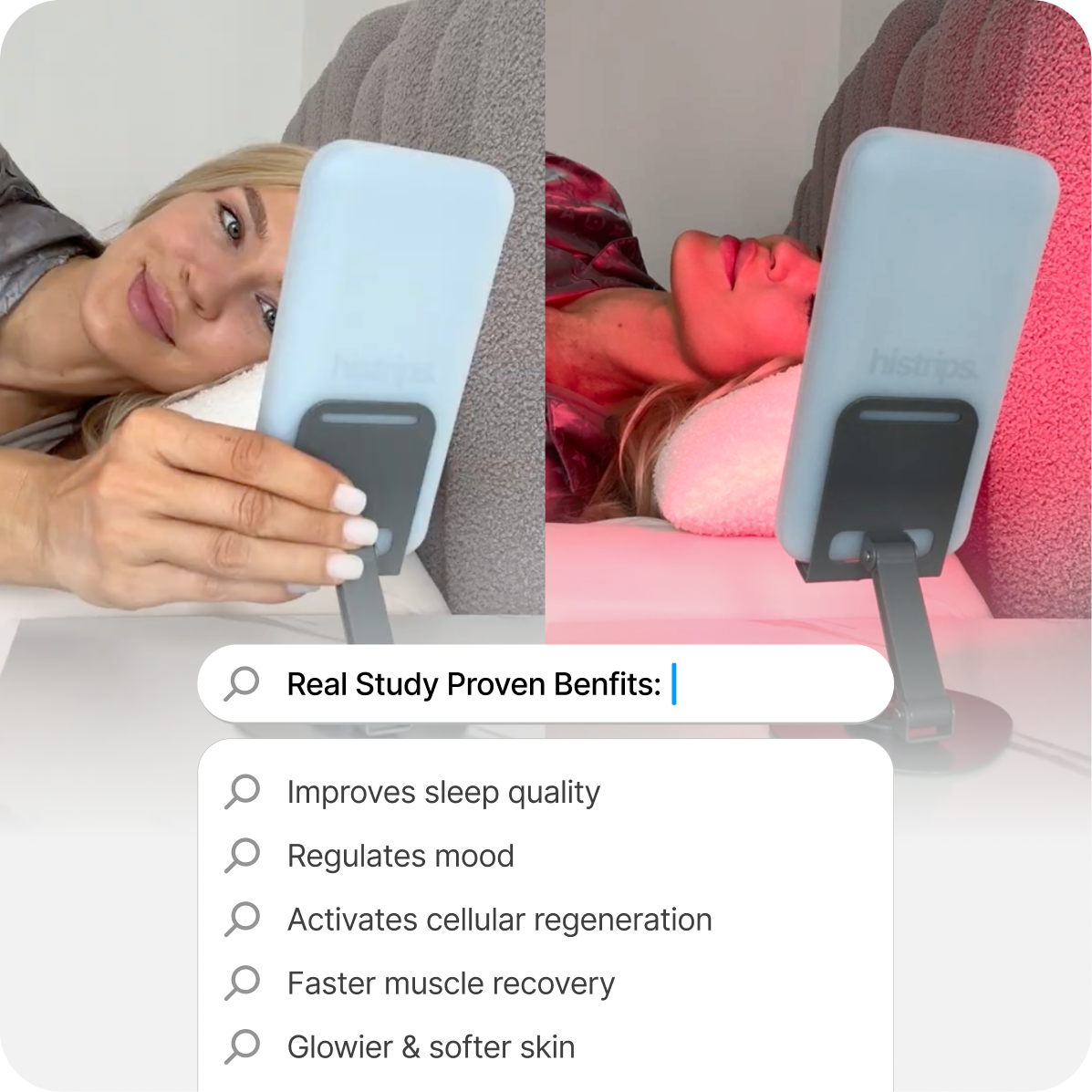
Evening red light therapy (30–90 minutes before bed) supports the transition to sleep by supporting melatonin production (red light is melatonin-neutral, unlike blue light from screens) and by triggering the anti-inflammatory and parasympathetic-supportive effects that promote deeper sleep.
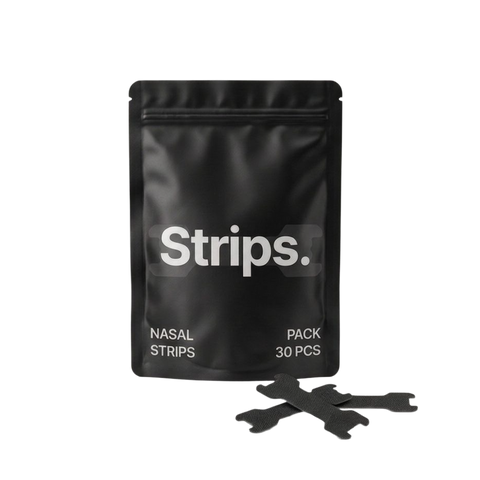
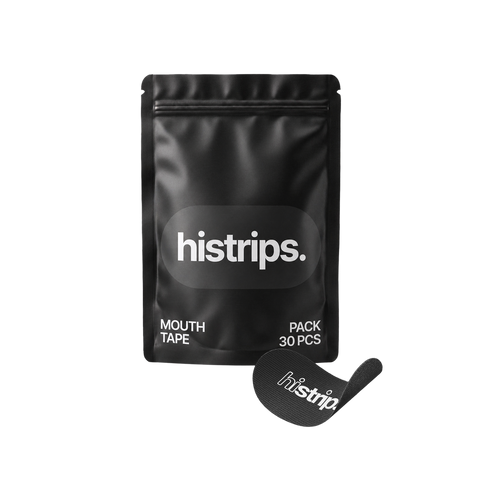
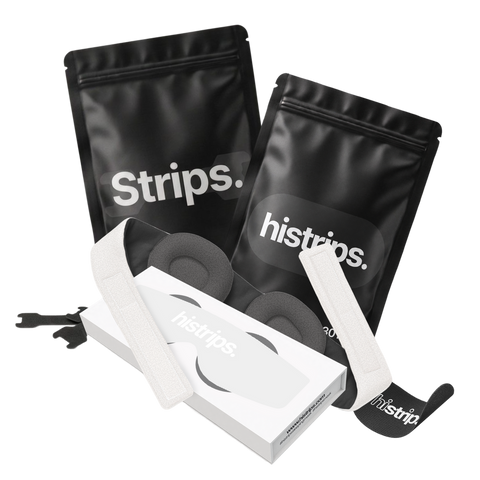
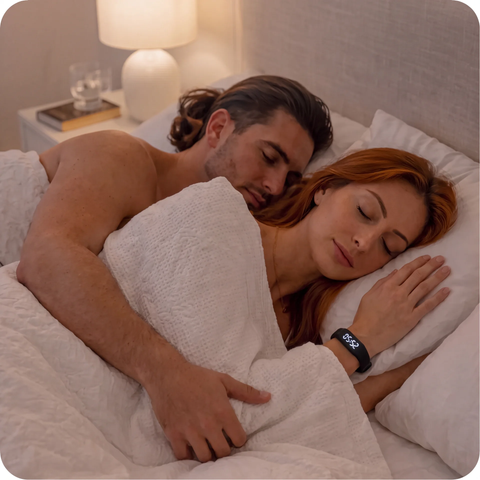
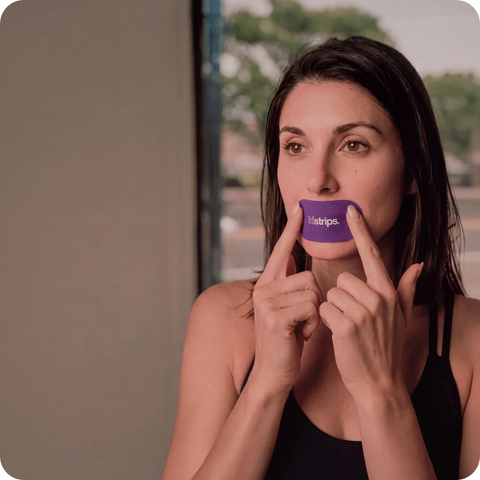
Combined with HiStrips nasal strips and mouth tape — which optimize nasal breathing during sleep — evening red light therapy is part of a complete pre-sleep recovery protocol.
The Practical Protocol Used by Elite Athletes
Training day protocol:
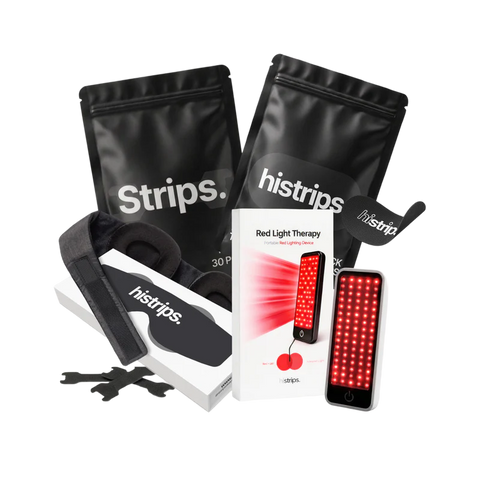
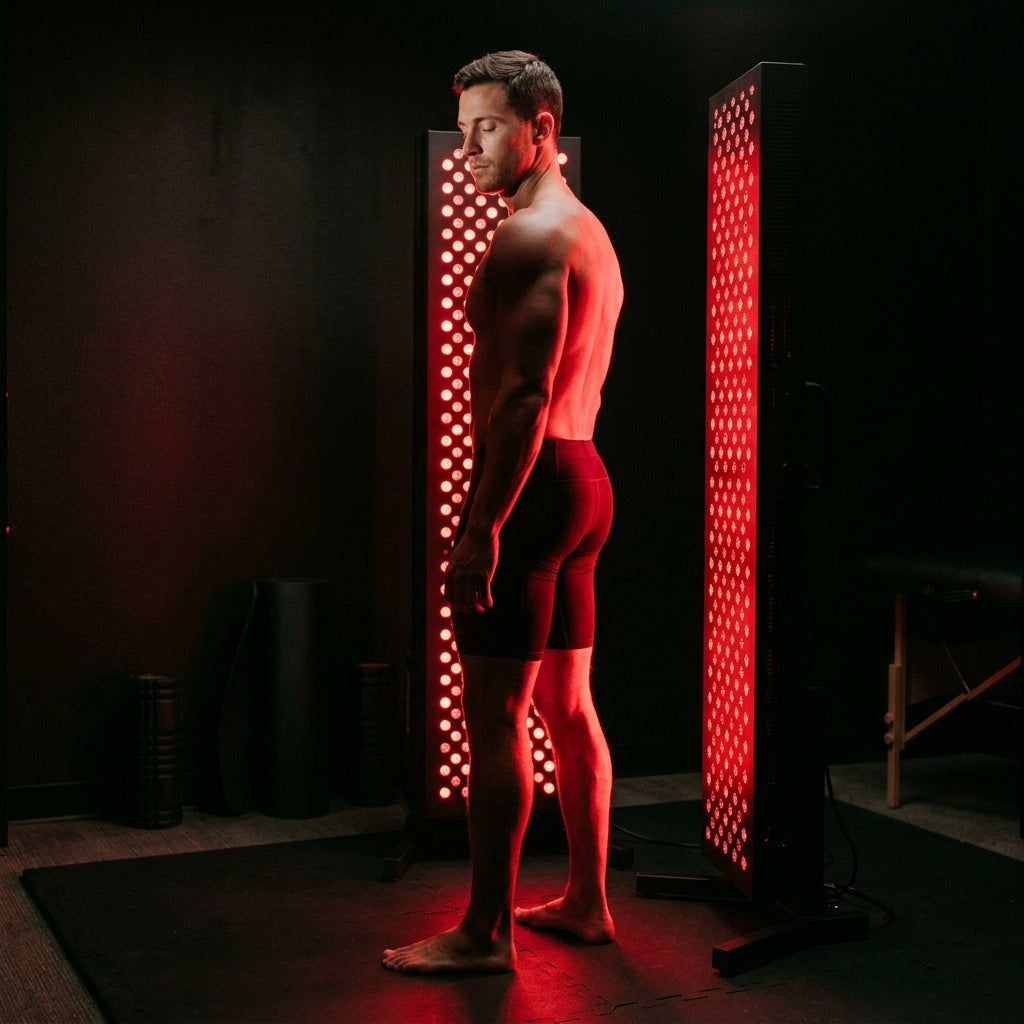
- Post-training: 10–20 minutes with HiStrips Red & Infrared Panel on primary training muscles (front and back as needed)
- Target area: focus on whatever was trained hardest that day — legs, upper body, or full body
- Distance: 15–25cm from the panel surface
- Clothing: remove or expose the treatment area — fabric blocks beneficial wavelengths
Pre-sleep protocol (any day):
- 60–90 minutes before bed: 10–15 minutes of red light exposure to upper body or full body
- Apply HiStrips nasal strip
- Add cotton mouth tape at lights out
Injured tissue protocol:
- Target the specific area 2x daily — morning and evening
- 8–12 minutes per session at close range (10–15cm)
- Continue until pain resolves plus 1 week additional
The Cost-Per-Session Math
A quality full-body red light panel like the HiStrips device is a one-time purchase that amortizes over thousands of sessions. Athletes who use it daily for 3 years pay pennies per session for a recovery tool that professional teams invest heavily in.
The question isn't whether red light therapy works — the evidence base answers that definitively. The question is whether you're going to make the same investment in your recovery that the athletes who perform at the highest level do.
The same tools. The same protocols. The same results. Shop the HiStrips Recovery Light Panel →


Leave a comment
This site is protected by hCaptcha and the hCaptcha Privacy Policy and Terms of Service apply.