




Are Vibration Alarm Watches Worth It?
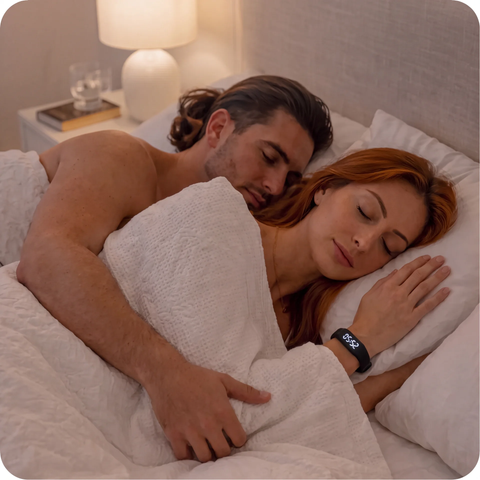
The honest answer to this question depends entirely on the cost of oversleeping in your life. For most heavy sleepers, the investment in a dedicated vibration alarm watch pays back within the first week of avoided consequences. Here is the full calculation.
The Real Cost of Oversleeping
Missed alarms have concrete costs: missed flights and appointments, damaged professional reputation from chronic lateness, relationship strain from morning conflicts with partners or roommates, lost income from being late to work, and the accumulated psychological toll of starting each day in a state of anxiety and catch-up. For anyone who has missed meaningful events due to oversleeping, these costs are not abstract.
What You Are Actually Paying For
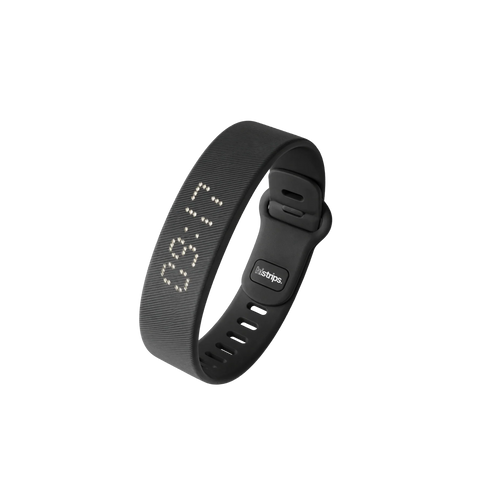
A vibration alarm watch like ONYX is not paying for a notification gadget — it is paying for reliability. The difference between an alarm that works 60% of the time and one that works 95%+ of the time has significant downstream consequences on your daily life. The cost of ONYX is comparable to one missed flight, two months of therapy for alarm-related anxiety, or one week of late-arrival consequences at work.
How ONYX Compares to Alternatives
Smartwatch alarms: cost £200-500, vibration is secondary feature, not designed for heavy sleepers. Super-loud alarm clocks: cost £30-100, disrupt neighbours, habituate within weeks. Alarmy apps: free, effective but stressful. ONYX: purpose-built for heavy sleepers, consistent results, zero partner disruption, no sound, no stress.
The Verdict
If you are a genuine heavy sleeper — someone who has genuinely tried and failed sound alarms — ONYX is worth the investment. If you occasionally oversleep and are exploring options, the value calculation is more marginal. The product is specifically designed for the heavy sleeper use case, and that is who gets the most from it.


Leave a comment
This site is protected by hCaptcha and the hCaptcha Privacy Policy and Terms of Service apply.