





Best Alarm Clock for Deep Sleepers Who Oversleep
Oversleeping is not a motivation problem. It is almost always a sleep architecture problem, an arousal threshold problem, or both. And the reason most people who oversleep keep oversleeping is that they are using the wrong alarm for their specific biology. Here is what actually works for deep sleepers who miss their morning.
Why Oversleeping Is a Biological Problem
The drive to sleep is regulated by two mechanisms: the circadian clock (your internal 24-hour rhythm) and sleep pressure (the build-up of adenosine throughout waking hours). For deep sleepers, sleep pressure accumulates faster and the transition from deep sleep to the surface is harder to trigger. This is not voluntary — it is how their nervous system regulates sleep. An effective alarm for deep sleepers must work with this biology, not against it.
What Deep Sleepers Need in an Alarm
Deep sleepers need a stimulus that is: intense enough to trigger arousal from deep sleep, customisable enough to adapt to individual thresholds, and persistent enough to sustain the waking process until full consciousness is achieved. Most alarms fail on at least two of these three criteria.
ONYX: Designed for Deep Sleep Architecture
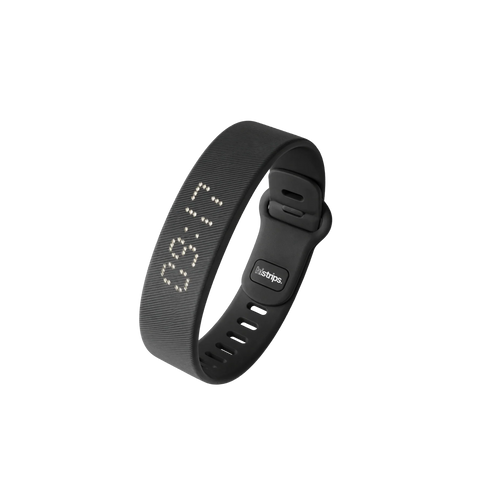
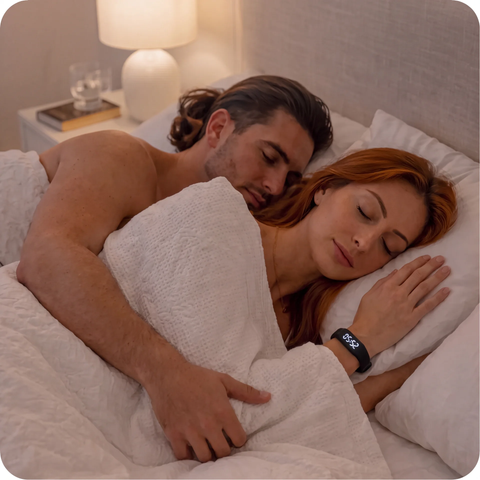
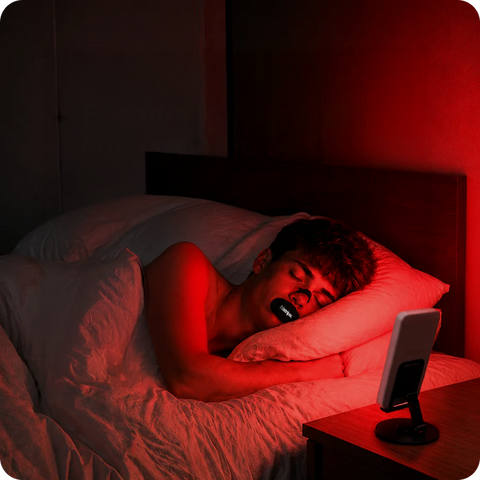
ONYX was built specifically for deep sleepers. The vibration motor delivers high-intensity haptic feedback that penetrates deep sleep to trigger the transition to wakefulness. The adjustable escalation pattern starts gently and increases intensity — matching the natural process of rising through sleep stages rather than a single jarring stimulus. Deep sleepers who switch to ONYX consistently report it is the first alarm that reliably wakes them on time.
The Practical Difference
For deep sleepers who have spent years missing mornings, dreading the alarm, or giving up entirely — ONYX changes the relationship with the morning. When the alarm works, the morning starts differently.


Leave a comment
This site is protected by hCaptcha and the hCaptcha Privacy Policy and Terms of Service apply.