











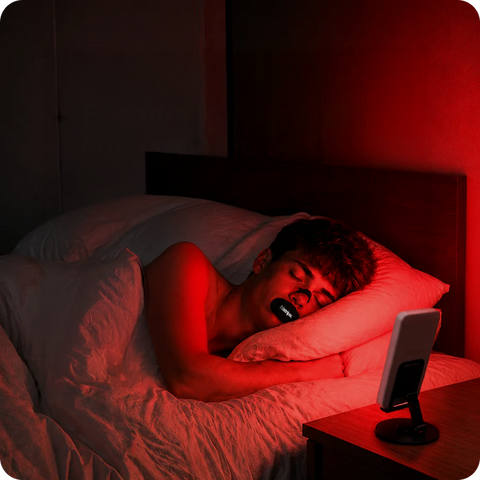




How to Stop Waking Up Groggy Every Morning
Morning grogginess — clinically called sleep inertia — is one of the most universal morning complaints and one of the least effectively addressed by most alarm recommendations. Here is what actually drives persistent grogginess and what the evidence says works to eliminate it.
What Actually Causes Morning Grogginess
Sleep inertia is not simply tiredness. It is a specific physiological state in which the brain is transitioning between sleep and full wakefulness, and certain cognitive functions — particularly decision-making, memory recall, and reaction time — are significantly impaired. Research from the US Army Research Laboratory shows that sleep inertia can impair cognitive performance to the equivalent of being legally drunk for up to 30 minutes after waking. Its severity is determined by: sleep depth when woken, abruptness of the waking transition, and prior sleep debt.
Why Sound Alarms Increase Grogginess
Sound alarms trigger an abrupt sympathetic nervous system activation — the fight-or-flight response. This creates a cortisol spike that is physiologically stressful even if subjectively you "get used to" the alarm sound. This stress response directly increases sleep inertia severity and prolongs the time to full cognitive function. The startle-wake pattern is specifically designed to produce maximum arousal, not optimal waking.
How ONYX Reduces Morning Grogginess
ONYX's graduated escalation mode produces a gentle, progressive waking transition that allows the brain to complete its natural sleep-wake transition more smoothly. The reduction in sleep inertia is measurable — users consistently report clearer mornings within the first week of switching from sound to vibration alarms.


Leave a comment
This site is protected by hCaptcha and the hCaptcha Privacy Policy and Terms of Service apply.