


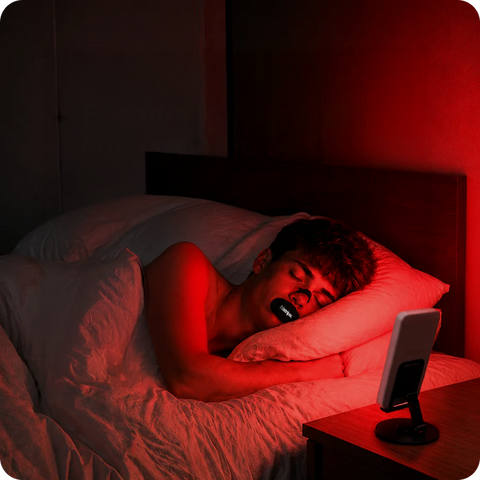



You might not know you're doing it. But if you wake up with a dry mouth, feel tired despite a full night's sleep, or your partner complains about your snoring — you're almost certainly mouth breathing at night.
Why It's a Problem
When you breathe through your mouth at night, air bypasses nasal filtration and warming; nitric oxide (produced only in nasal passages) isn't generated; the throat dries out causing snoring and micro-arousals; oxygen delivery to tissues is less efficient; and sleep quality drops — fewer deep sleep and REM stages. Chronically, this leads to poor recovery, elevated stress hormones, and increased dental problems.
What Causes Mouth Breathing at Night
- Nasal congestion from allergies, illness, or anatomy
- Habit from years of nasal obstruction
- Sleeping on your back (increases tongue-fall and mouth-opening)
- Weak orofacial muscles
How to Stop It
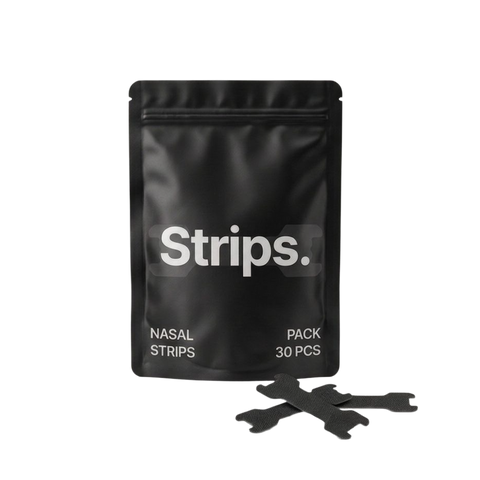
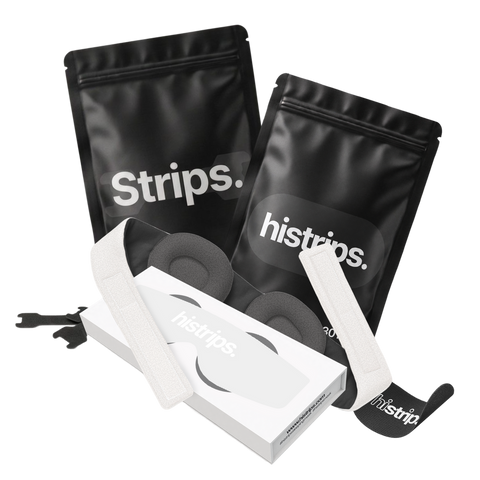
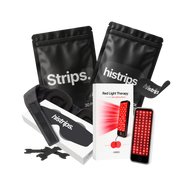
- Open your nose first: Use HiStrips nasal strips — make nasal breathing the path of least resistance
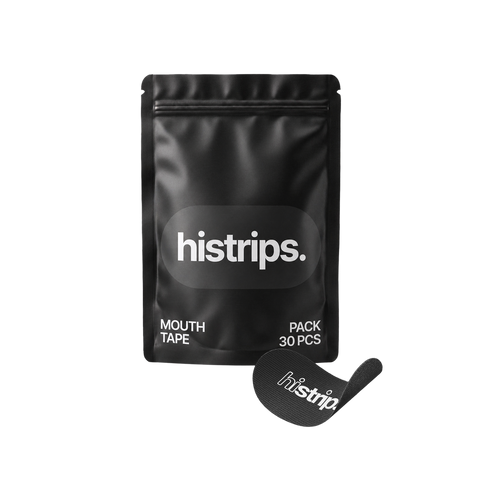
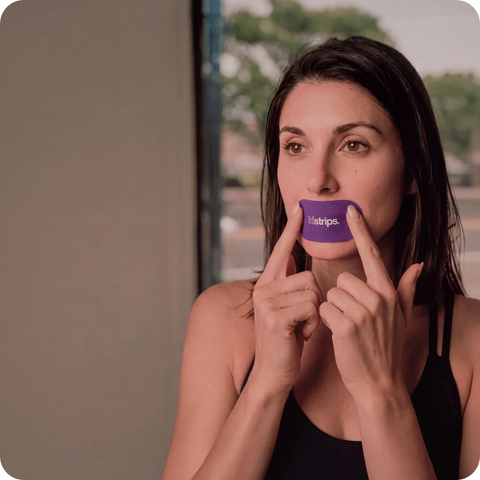
- Add mouth tape: Once your nose is clear, gentle tape prevents habitual mouth-opening during sleep
- Sleep on your side: Reduces tongue-fall and encourages nasal breathing
- Address congestion: Treat allergies, use a humidifier, keep your bedroom dust-free
FAQ
Is mouth breathing at night dangerous?
Not acutely — but chronically it degrades sleep quality, dental health, and athletic recovery. It's worth addressing.
How quickly can I retrain myself?
With nasal strips and mouth tape, most people shift to nasal breathing within 1-2 weeks of consistent use.
Do children mouth breathe at night?
Yes — and it's important to address early, as chronic mouth breathing in children can affect jaw and facial development. Consult a paediatrician if persistent.
Step one: open your nose. Try HiStrips tonight.


Leave a comment
This site is protected by hCaptcha and the hCaptcha Privacy Policy and Terms of Service apply.