





Can Mouth Tape Improve Sleep Quality?
The connection between mouth taping and sleep quality is one of the most well-supported benefits of the practice — and it goes well beyond the dry mouth fix. Here is what the research shows and what users consistently report.
The Breathing-Sleep Quality Connection
Sleep quality is fundamentally about oxygen delivery and sleep architecture. Mouth breathing during sleep causes oxygen saturation drops, micro-arousals (brief awakenings that fragment sleep without you remembering them), and disrupted sleep stage progression. All of these reduce the restorative quality of sleep regardless of how many hours you spend in bed.
What Mouth Tape Does to Sleep
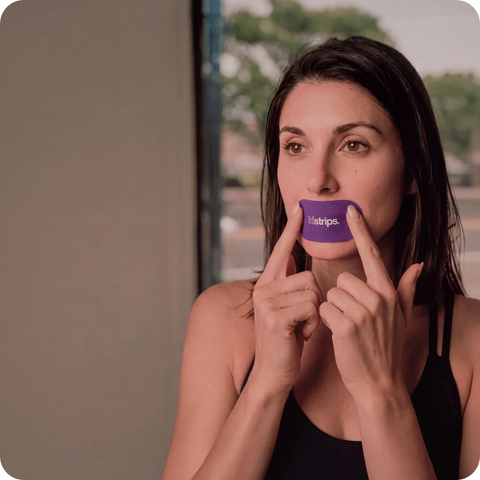
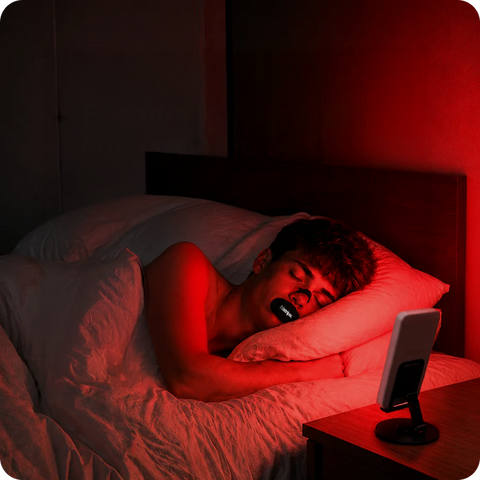
By maintaining nasal breathing throughout sleep, mouth tape supports: consistent oxygen saturation overnight, deeper sleep stage progression (more time in slow-wave deep sleep), reduced sleep fragmentation from micro-arousals, and better morning cortisol clearance that affects daytime energy and focus.
What Athletes Report
Athletes who switch to nightly mouth taping consistently report improved morning alertness, better training recovery quality, and more consistent energy throughout the day. The connection to athletic performance is real — better sleep means better adaptation from training.
The Timeframe for Sleep Benefits
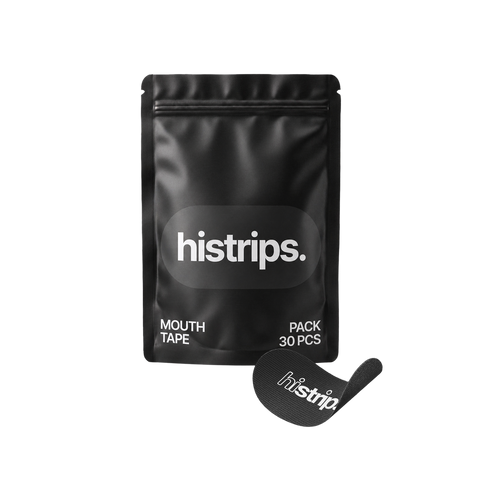
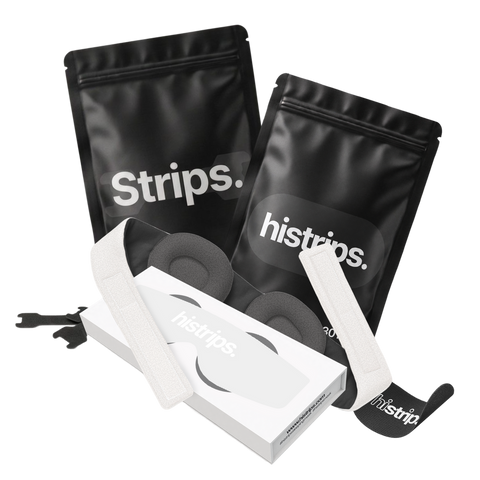
Sleep quality improvements typically emerge within the first 2-3 weeks of consistent use — after the initial adjustment period. The first benefit most users notice is simply feeling more rested after the same amount of sleep. HiStrips Mouth Tape is designed for nightly use as part of a comprehensive sleep optimisation approach.


Leave a comment
This site is protected by hCaptcha and the hCaptcha Privacy Policy and Terms of Service apply.