






Do Nasal Strips Help With Breathing for Swimming?
Swimming presents a unique challenge for nasal strip use. The sport is dominated by rhythmic mouth breathing — you breathe in through your mouth during the recovery phase of each stroke and exhale through your nose underwater. So do nasal strips have any role in the pool?
The Swimming Breathing Dynamic
Unlike running or cycling, swimming breathing is not about maximising oxygen intake — it is about managing a precise bilateral rhythm while your face is in the water. Elite swimmers breathe in very specific patterns (every 2, 3, or 5 strokes) and exhale fully underwater through the nose. The nasal valve plays a different role in this context.
Where Nasal Strips Can Help Swimmers
Nasal strips are most useful for swimmers in three specific scenarios: during warm-up and poolside preparation when you are not in the water, during open water swimming where breathing patterns are less predictable and nasal breathing may occur between strokes, and during recovery or stretching sessions poolside where nasal breathing during rest periods matters for cardiovascular recovery.
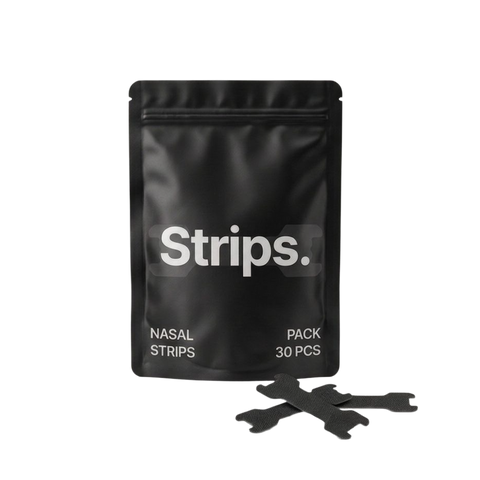
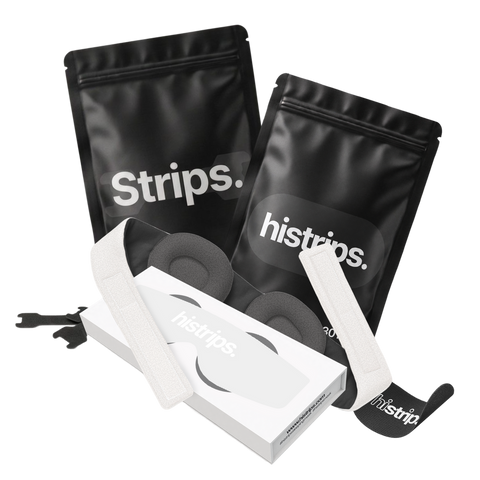
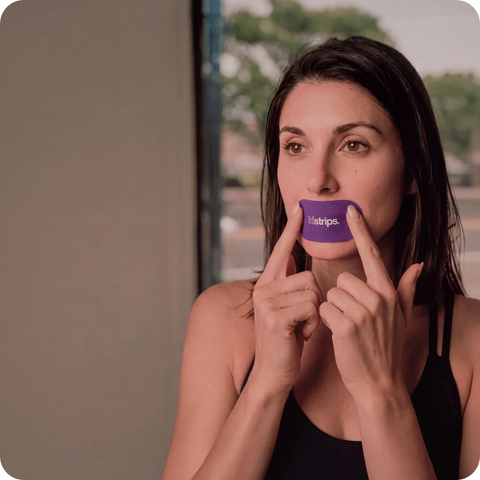
HiStrips stay on reliably during poolside warm-up, stretching, and dryland training — making them useful for swimmers who want to support nasal breathing during land-based training components.
Underwater Considerations
Standard nasal strips are not designed for submersion and will lose adhesion if held underwater for extended periods. For open water swimming, the benefit is more relevant — breathing is less structured and swimmers often breathe nasally between strokes, especially at lower intensities or during sighting.
The Honest Answer for Swimmers
Nasal strips are not a primary swimming tool. But for swimmers who also do cross-training, running, or cycling as part of their programme, HiStrips provide reliable nasal breathing support during those land-based components. And for open water swimmers in colder water, maintaining nasal breathing at the surface between strokes has meaningful benefits for heat regulation and oxygen efficiency.


Leave a comment
This site is protected by hCaptcha and the hCaptcha Privacy Policy and Terms of Service apply.