






Two Tools, One Goal: Better Nasal Airflow
When it comes to improving nasal breathing, two products dominate the market: nasal strips and internal nasal dilators. Both aim to increase airflow through the nose, but they work in fundamentally different ways — and the choice between them matters for athletes, sleepers, and anyone dealing with nasal congestion.
At HiStrips, we've spent years studying how elite performers breathe. Here's the definitive comparison.
What Are Nasal Strips?
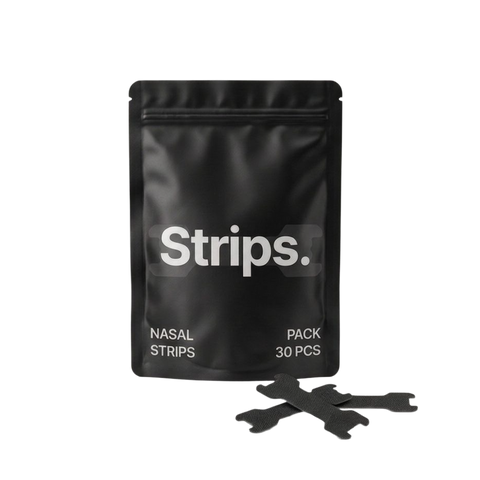
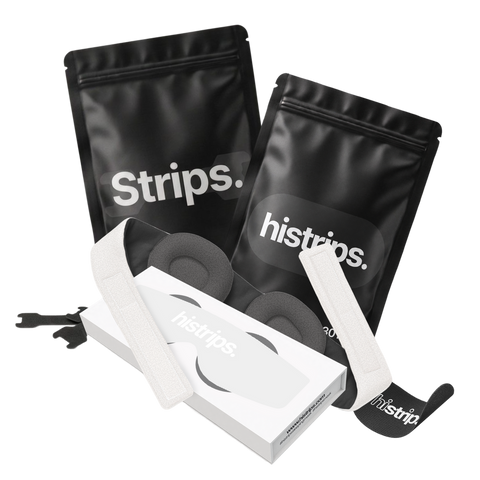
Nasal strips (also called nose strips) are adhesive bands worn on the outside of the nose. They contain a flexible spring-like mechanism that gently lifts and widens the nasal passages when applied to the bridge of the nose. The action is purely mechanical — no medication, no insertion, no discomfort.
They work by targeting the external nasal valve, the area just inside the nostrils where airflow resistance is highest. By pulling this area open from the outside, nasal strips immediately reduce resistance and allow more air to flow through with each breath.
What Are Nasal Dilators?
Internal nasal dilators are small devices — usually made of soft silicone or plastic — that are inserted into the nostrils. They push outward against the nasal walls to keep the nasal passages open from the inside. They come in various forms: stent-style, cone-shaped, or clip-based.
Internal dilators target the internal nasal valve and are reusable (typically washed and reused for several weeks). They require no adhesive but must be sized correctly to avoid discomfort.
Head-to-Head Comparison
| Feature | Nasal Strips | Internal Dilators |
|---|---|---|
| Application | External adhesive | Inserted into nostrils |
| Comfort | Very comfortable | Can cause pressure/discomfort |
| Reusable | Single-use | Yes (weeks of use) |
| Visible | Yes (worn externally) | Mostly hidden |
| Hygiene | Always fresh (single-use) | Requires regular cleaning |
| Sport use | Excellent — stays put during sweaty activity | Can shift or fall out during movement |
| Sleep use | Excellent | Some find it uncomfortable long-term |
| Drug-free | Yes | Yes |
Which Is Better for Sport?
For athletic use, nasal strips consistently outperform internal dilators in real-world conditions. The key reason: adhesion. During a 10km run or an intense HIIT session, sweat and movement can dislodge an internal dilator, rendering it useless at exactly the moment you need it most. A properly applied nose strip stays firmly in place throughout even the most demanding workouts.
HiStrips are specifically engineered for athletic performance — the dual-spring mechanism delivers precise lift at the nasal valve, and the skin-safe adhesive is tested to maintain bond through sweat. That's why athletes at every level choose strips over dilators when the stakes are high.
Which Is Better for Sleep?
For sleep, the picture is more nuanced. Both options are effective at reducing snoring and improving airflow overnight. However, many users find that internal dilators feel foreign and can interrupt sleep, particularly in the early weeks of use. Nasal strips are applied externally, requiring zero adjustment once you've applied them correctly.
For most people, nasal strips win here too — because comfort drives compliance. If you'll only use something occasionally because it's uncomfortable, it won't deliver results.
The Verdict
For the majority of users — especially athletes — nasal strips are the superior choice. They're comfortable, reliable, single-use hygienic, and work consistently in both sport and sleep environments. Internal dilators may suit people who want a reusable option and are comfortable with insertion, but the tradeoff in stability and hygiene is significant.
HiStrips take nasal strip performance further than standard brands, with a precision-engineered spring that delivers clinically meaningful airflow improvement from the very first application.
Frequently Asked Questions
Are nasal dilators more effective than nasal strips?
Not generally. Studies suggest both can improve nasal airflow, but nasal strips are more consistent in real-world athletic conditions because they stay in place better during physical activity. For most users, nasal strips provide equivalent or superior results with greater comfort.
Can I use both nasal strips and nasal dilators together?
It is not recommended to use both simultaneously. Choose the product best suited to your use case. For athletic and sleep use, nasal strips like HiStrips are the most practical and effective option for the majority of people.
Do nasal strips work for a deviated septum?
Nasal strips target the external nasal valve rather than the internal septum, so they may provide partial relief for those with a deviated septum. They are most effective when the primary restriction is at the nasal valve area. Consult a physician if you suspect a deviated septum is significantly affecting your breathing.
Ready to Breathe Freely?
Stop guessing and start breathing at full capacity. HiStrips are trusted by athletes who demand performance equipment that actually works — from training to race day to recovery.
Try HiStrips today at histrips.com and feel the difference on your very first breath.


Leave a comment
This site is protected by hCaptcha and the hCaptcha Privacy Policy and Terms of Service apply.