



How Portable Red Light Therapy Compares to Full Panels
The red light therapy device market spans from handheld wands to full-body standing panels. Understanding the trade-offs between portable devices and full panels is essential for making the right purchase decision — particularly for athletes and frequent users who need both portability and maximum therapeutic output.
The Size vs Coverage Trade-Off
The fundamental trade-off in red light therapy devices is between panel size and treatment coverage. A full standing panel (60x180cm or larger) can treat the entire back, both legs, or the full torso simultaneously. A handheld wand (10x20cm) can treat one small area at a time. The larger the panel, the more body area you can treat in a given session — which matters for athletes who want full-body recovery coverage.
Portable Devices: When They Make Sense
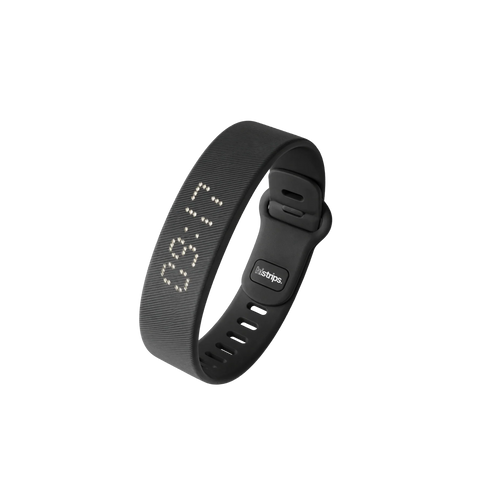
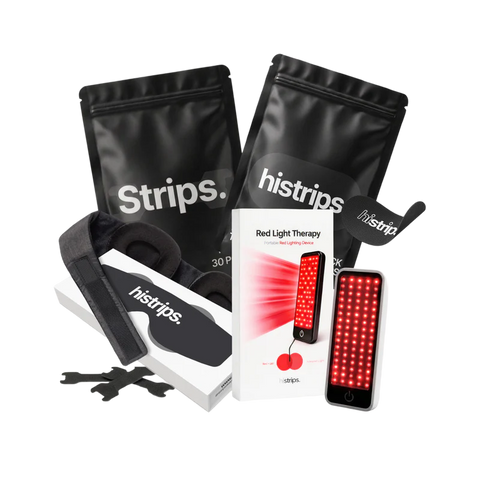
Portable red light therapy devices — smaller panels, wands, and wearable devices — make sense for: targeted treatment of specific areas (joints, specific muscle groups), travel use where a full panel is impractical, and budget buyers who want to start with a smaller investment before upgrading.
Full Panels: When They Make Sense
Full panels make sense for: athletes using red light therapy as a primary recovery tool, households with multiple users, users who want to treat large areas efficiently, and users committed to daily use who want the maximum therapeutic benefit per session.
The Optimal Approach
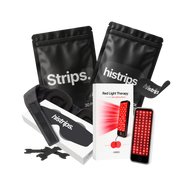
Many serious users have both: a full panel at home for daily recovery sessions and a portable device for travel and targeted treatment. HiStrips offers both form factors with the same verified wavelength and irradiance specifications — ensuring consistent therapeutic quality regardless of which device you use.


Leave a comment
This site is protected by hCaptcha and the hCaptcha Privacy Policy and Terms of Service apply.