



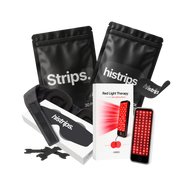
Can Red Light Therapy Help With Acne and Skin Redness?
Acne and skin redness are among the most common skin complaints — affecting people of all ages, not just teenagers. Red light therapy is emerging as one of the most effective non-pharmaceutical approaches to both conditions, working through mechanisms that address the root causes rather than masking symptoms.
How Red Light Addresses Acne
Acne develops when hair follicles become clogged with sebum and dead skin cells, creating an environment where Cutibacterium acnes (the bacteria that causes acne) thrives. Red light therapy addresses all three contributing factors: it reduces sebum production by regulating sebaceous gland activity, accelerates the shedding of dead skin cells through improved cellular turnover, and has direct antibacterial effects on C. acnes through photochemical mechanisms.
Blue vs Red Light for Acne
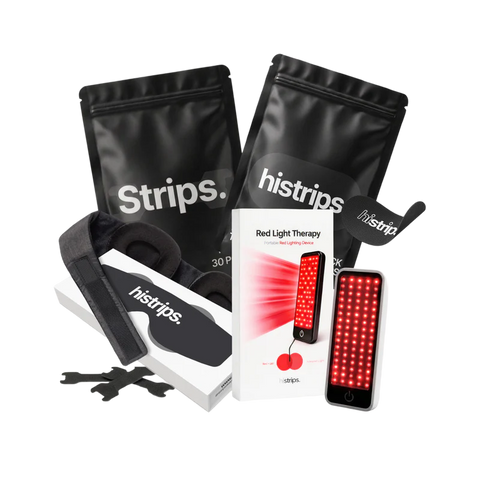
Blue light (415nm) is more antibacterial than red light — it is highly effective at killing C. acnes directly. Red light is more anti-inflammatory and supports tissue healing. The most effective red light therapy approach for acne combines both — blue light for antibacterial effect and red light for inflammation reduction and healing. HiStrips dual-wavelength panels deliver both.
The Evidence
A systematic review in the Journal of Dermatological Treatment found red light therapy produced significant improvements in acne severity scores across 14 randomised controlled trials. The mechanism: reduction in sebum production, decreased C. acnes colonisation, and reduced inflammation in active acne lesions.


Leave a comment
This site is protected by hCaptcha and the hCaptcha Privacy Policy and Terms of Service apply.