





Do Wearable Alarms Help Reduce Sleep Inertia?
Sleep inertia — the transitional cognitive impairment between sleep and full wakefulness — is one of the most well-documented phenomena in sleep science and one of the least addressed in alarm recommendations. Wearable vibration alarms have a specific and measurable advantage in reducing sleep inertia severity.
What Sleep Inertia Actually Is
Sleep inertia is not simply feeling sleepy. It is a genuine cognitive impairment state — with measurable deficits in working memory, decision-making, and reaction time equivalent to moderate alcohol intoxication. Studies show impairment lasting from 30 seconds to 2 hours depending on sleep depth when woken and the abruptness of the waking transition.
The Waking Transition Quality Matters
The severity of sleep inertia is directly proportional to the abruptness of the waking transition. A gradual waking signal — one that allows the brain to complete its natural transition from deep sleep to lighter stages before full waking — produces significantly less severe sleep inertia.
ONYX and the Graduated Wake Protocol
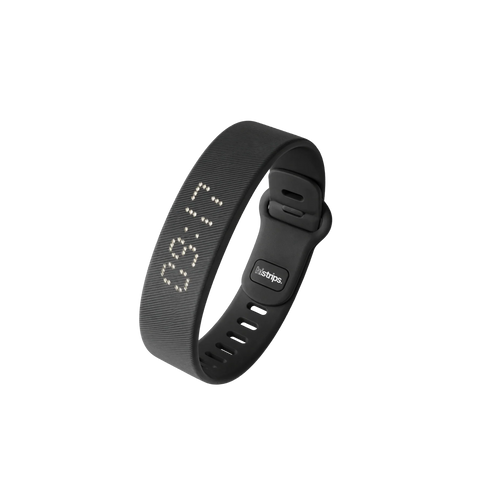
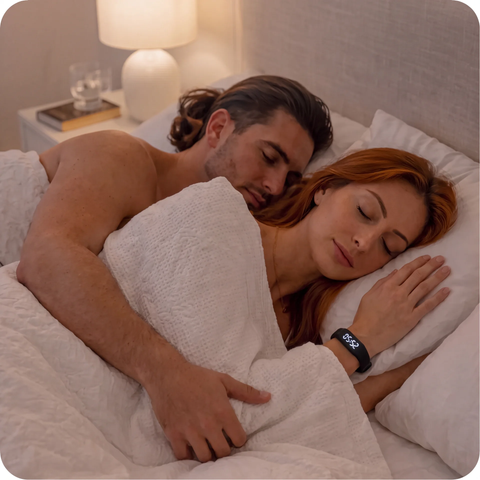
ONYX's graduated escalation mode is specifically designed to minimise sleep inertia. The vibration starts at a low, almost imperceptible level and builds over a configurable period — up to 60 seconds. Users consistently report feeling more alert, more quickly, after switching to the graduated mode.


Leave a comment
This site is protected by hCaptcha and the hCaptcha Privacy Policy and Terms of Service apply.