





Sleep for Athletes: Why Better Nights Create Better Performances
Learn how sleep supports muscle repair, hormone balance, reaction time, and recovery for athletes—plus a practical nightly routine to improve sleep quality.
Introduction
Athletes spend hours dialing in training, nutrition, and mobility, yet sleep is still one of the most underused recovery tools in sport. A strong sleep routine does more than help you feel rested. It supports muscle repair, helps regulate hormone production, improves reaction time, and gives you a better chance of showing up sharp the next day. Elite performers tend to treat sleep as part of the training plan, not as an afterthought. That does not require a complicated biohacking setup. In most cases, it starts with a few consistent habits done well: a stable sleep schedule, a sleep-friendly environment, better breathing habits, and simple recovery tools that reduce friction. For athletes who want a more repeatable recovery routine, sleep for athletes is one of the highest-leverage habits to improve without adding complexity.
Why Sleep Matters for Athletic Recovery
During sleep, the body shifts into a repair-oriented state. That matters for athletes because training creates stress that the body has to adapt to. Recovery is where that adaptation happens.
Key reasons sleep matters:
- **Muscle repair:** Sleep gives the body time to carry out the recovery processes that support training adaptation.
- **Hormone regulation:** Sleep helps maintain healthy patterns for hormones involved in recovery, appetite, stress, and performance readiness.
- **Nervous system reset:** High-quality sleep helps athletes feel more coordinated, mentally clear, and physically ready.
- **Next-day output:** Poor sleep often shows up as lower motivation, worse decision-making, slower reaction time, and a higher sense of effort.
Sleep is not a shortcut. It is the base layer that helps your other recovery habits work better.
The Sleep Habits Elite Athletes Use
The most effective sleep routines are usually simple and repeatable.
1. They keep a consistent sleep schedule
Going to bed and waking up at roughly the same time helps the body build a predictable rhythm. That makes it easier to fall asleep, stay asleep, and wake up with less grogginess.
For athletes, consistency matters because irregular timing can leave you feeling jet-lagged even when you have not traveled.
2. They control the sleep environment
A dark, quiet, cool room usually gives the best chance of uninterrupted sleep. Even small disruptions—light leaks, noise, late-night notifications—can make sleep feel lighter and less restorative.
3. They reduce friction before bed
High stimulation too close to bedtime can make it harder to switch into recovery mode. Elite athletes often use a short pre-sleep routine to downshift: dim lights, keep the room set up, and remove avoidable disturbances.
4. They support nasal breathing at night
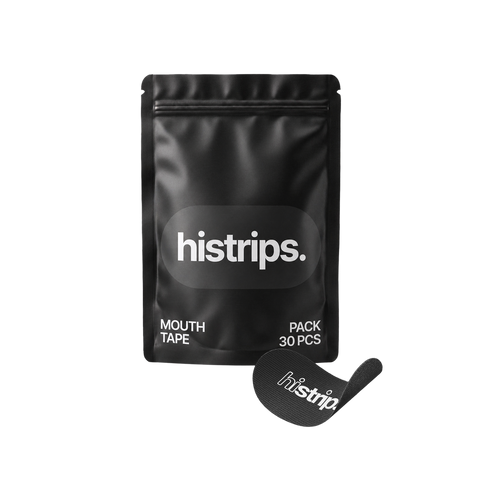
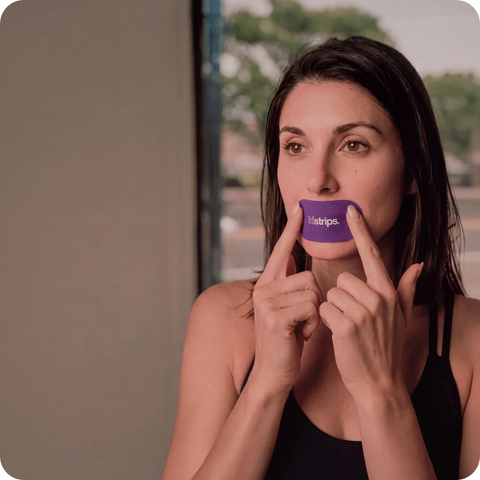
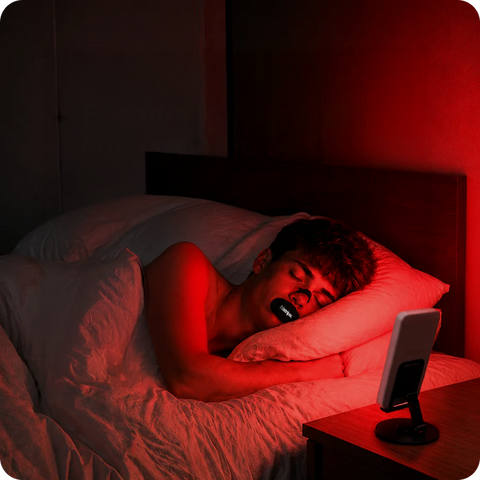
Many athletes pay attention to breathing mechanics during training, but not during sleep. Nasal breathing is often preferred because it can support a calmer, more controlled breathing pattern overnight. For some athletes, mouth tape is one way to encourage that habit if it suits them.
A Practical Night Routine for Athletes
If you want a higher-return sleep routine, start here:
- Set a fixed wake time and work backward to your bedtime.
- Keep the bedroom dark, cool, and quiet.
- Avoid unnecessary stimulation in the last 30 to 60 minutes before bed.
- Prepare your sleep tools in advance so the routine feels automatic.
- Track how you feel the next morning—energy, mood, soreness, and focus.
Where HiStrips Fits In
The simplest routines are often the ones you actually stick to. That is where a system can help.
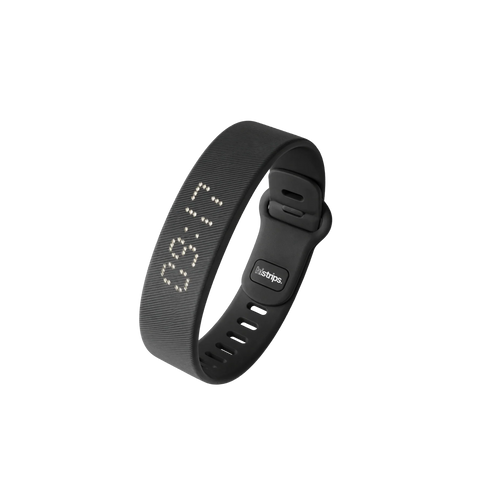
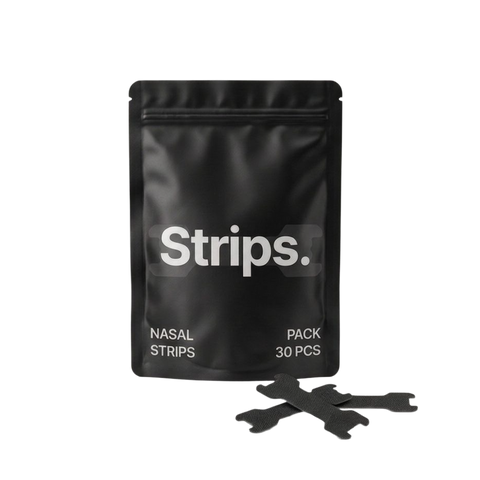
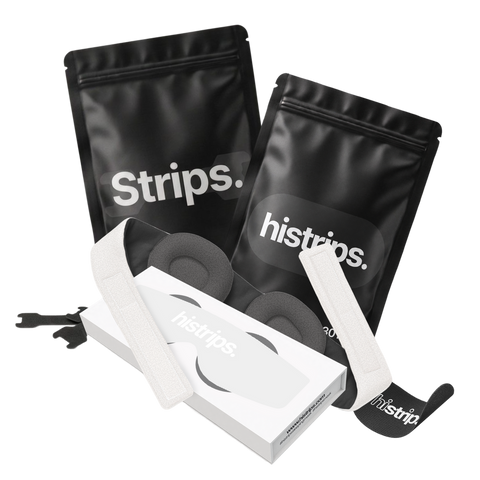
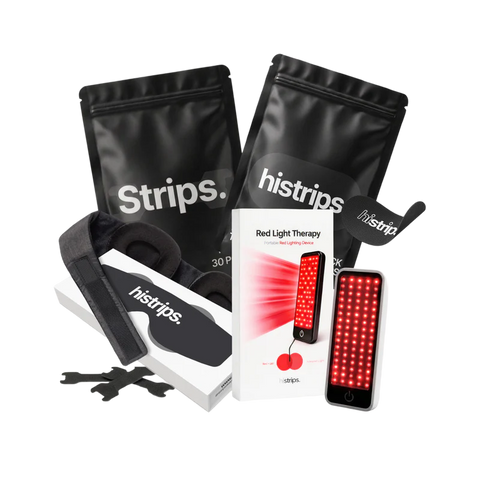
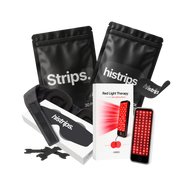
HiStrips’ Recovery Stack gives athletes a practical sleep setup in one place: mouth tape to support nasal breathing habits, a sleep mask to reduce light, earplugs to limit noise, and a vibration alarm for a lower-disruption wake-up. For athletes who want a more complete upgrade, the Elite Performer Kit bundles those tools into a single recovery routine that is easy to repeat.
It is not about turning sleep into a science project. It is about making better sleep easier to execute.
The Bottom Line
Better training only pays off when recovery keeps up. Sleep supports the repair, regulation, and readiness athletes depend on—but it only works consistently when the routine is consistent too.
Start with the basics: stable timing, a better room setup, and tools that remove common sleep disruptions. Done well, those small changes can make the next day’s training feel more productive.
CTA
If you want a straightforward way to tighten up your nighttime recovery routine, explore the HiStrips Recovery Stack or Elite Performer Kit and build a sleep system that supports performance night after night.


Leave a comment
This site is protected by hCaptcha and the hCaptcha Privacy Policy and Terms of Service apply.