




Can Mouth Tape Help With Sleep Apnea?
This is the most important safety distinction in the mouth tape conversation. Getting it wrong can have serious consequences. Here is exactly where mouth tape fits and where it categorically does not.
What Sleep Apnea Actually Is
Obstructive sleep apnea (OSA) is a condition in which the airway muscles relax excessively during sleep, causing the airway to collapse repeatedly. This leads to oxygen desaturation, sleep fragmentation, elevated cardiovascular risk, and daytime fatigue that CPAP therapy, oral appliances, or surgical interventions address — not tape.
Mouth Tape Cannot Treat Sleep Apnea
Sealing the mouth while the airway is collapsing from throat muscle relaxation does not fix the problem — it may worsen it. Forcing mouth closure through tape while the airway remains mechanically obstructed can increase the severity of oxygen desaturation events in people with moderate to severe OSA. This is not speculation — it is a mechanical reality of how airway obstruction works.
Where Mouth Tape Does Help
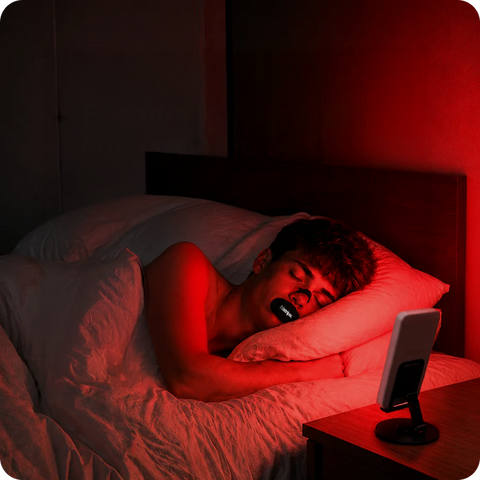
Mouth tape helps people who breathe through their mouth during sleep without apnea — a condition called mouth-dominant breathing. This is different from apnea and far more common. For this group, mouth tape redirects airflow through the nose, reducing snoring and improving oxygen saturation without any mechanical intervention.
The Rule: Get Evaluated First
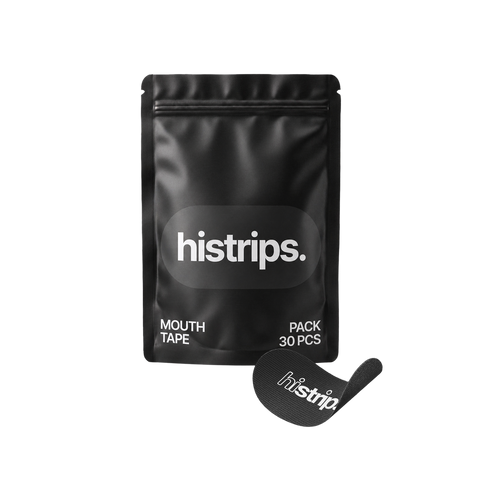
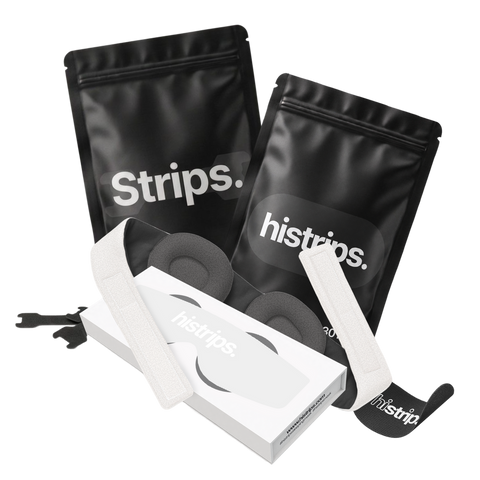
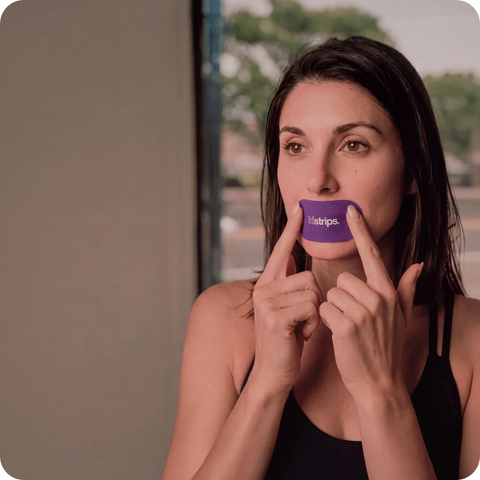
If you experience gasping, choking sounds, witnessed breathing pauses, excessive daytime sleepiness, or morning headaches, get a sleep assessment before treating with mouth tape. Once apnea is confirmed or ruled out, mouth taping can be a useful tool for nasal breathing support — HiStrips Mouth Tape is safe and effective for people without airway obstruction issues.


Leave a comment
This site is protected by hCaptcha and the hCaptcha Privacy Policy and Terms of Service apply.