



Can You Overuse Red Light Therapy?
This is one of the most practical safety questions about red light therapy — and unlike many interventions, the answer here is reassuring. The research on red light therapy's dose-response relationship shows a clear ceiling, beyond which additional sessions produce no added benefit.
The Dose-Response Ceiling
Photobiomodulation follows a biphasic dose response — meaning there is an optimal dose and a point beyond which more produces less benefit. At the cellular level, red light stimulates mitochondrial activity; at very high doses, the same mechanism can become saturated or mildly inhibitory. This is sometimes called the "Arndt-Schulz Law" in the context of photobiomodulation: weak stimuli increase activity, moderate stimuli produce maximum effect, and very strong stimuli inhibit it.
The Research on Twice-Daily Use
Studies on twice-daily red light therapy sessions (compared to once daily) show no additional benefit in recovery outcomes. The cellular mechanisms that red light stimulates reach their maximum effect at a certain photon dose — additional photons beyond this threshold do not increase the effect. For practical purposes: once per day at the correct duration delivers maximum benefit.
Who Should Be Cautious
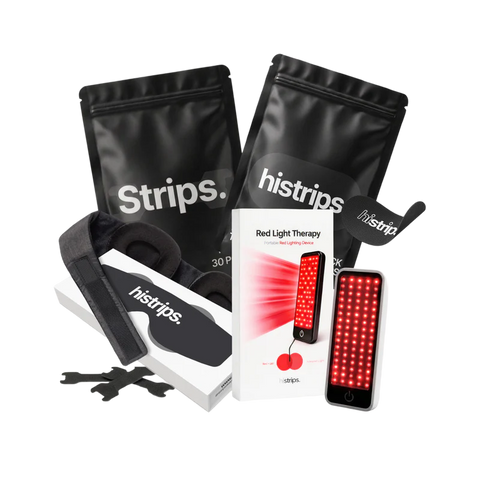
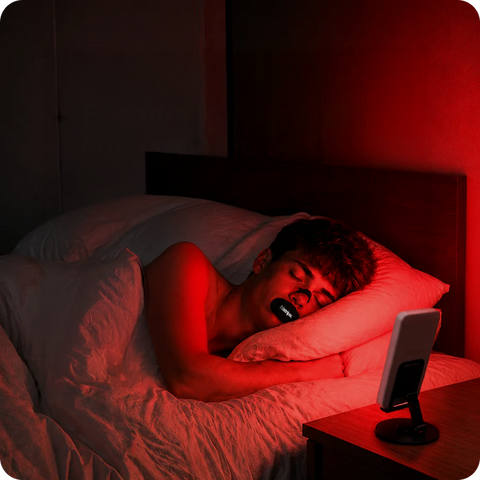
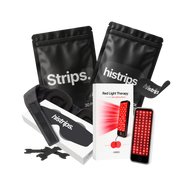
While red light therapy is generally very safe, specific populations should exercise caution: people with photosensitive conditions should consult a physician before use, people taking medications that increase photosensitivity (some antibiotics, antidepressants, and anti-inflammatory drugs) should be aware of potential interactions, and direct eye exposure to high-intensity red/NIR light should be avoided — use the eye protection provided with HiStrips panels for close-range facial treatment.


Leave a comment
This site is protected by hCaptcha and the hCaptcha Privacy Policy and Terms of Service apply.