






Do Silent Vibration Alarms Improve Sleep Quality?
The relationship between alarms and sleep quality is rarely examined — most advice focuses on sleep duration and environment. But the type of alarm you use and how it interacts with your sleep architecture has a measurable effect on sleep quality itself.
How Alarms Disrupt Sleep Architecture
Every time you are woken by an alarm, your sleep stage matters significantly. Waking from deep slow-wave sleep produces the most severe sleep inertia. Sound alarms are particularly disruptive because they tend to wake you from deeper sleep stages — the auditory stimulus penetrates deeper sleep to trigger arousal. This is why sound alarm users often report feeling less rested even after 8 hours of sleep.
Vibration Alarms and Sleep Architecture
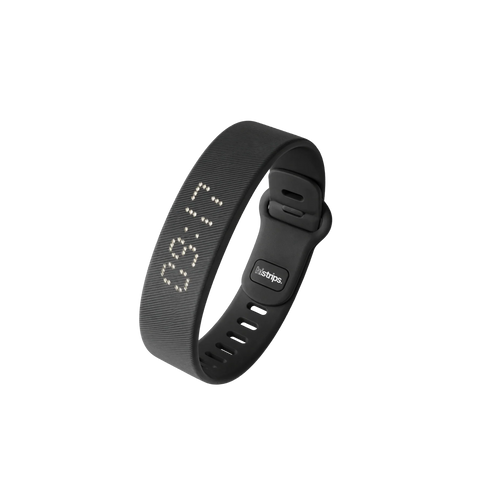
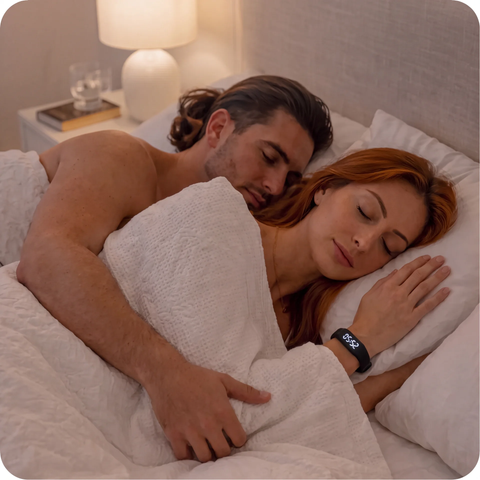
Because vibration alarms like ONYX trigger waking through a different mechanism, they interact differently with sleep architecture. The somatosensory stimulus appears to preferentially arouse from lighter sleep stages first, allowing deep sleep to be completed more naturally before waking is triggered. Users of graduated vibration alarms consistently report subjectively higher sleep quality compared to sound alarms.
The Morning Cortisol Connection
Sleep quality is regulated in part by the hypothalamic-pituitary-adrenal (HPA) axis, which controls cortisol release. A stressful sound alarm activates the HPA axis in a way that takes 30-60 minutes to recover from. Vibration alarms produce a significantly smaller HPA activation — meaning the morning recovery is faster and the overall sleep quality perception is higher.


Leave a comment
This site is protected by hCaptcha and the hCaptcha Privacy Policy and Terms of Service apply.