





Will Mouth Tape Help Me Stop Snoring?
Snoring is one of the primary reasons people try mouth tape — and the honest answer is more nuanced than a simple yes or no. Here is what determines whether mouth tape works for snoring in your specific case.
What Type of Snoring Do You Have?
Snoring has two primary mechanisms: nasal snoring (where nasal obstruction forces mouth breathing and triggers throat tissue vibration) and throat snoring (where the throat tissues themselves relax and vibrate during sleep, regardless of nasal patency). Mouth tape addresses the nasal type — it forces nasal breathing, which keeps the jaw closed and prevents the mouth breathing that triggers throat snoring.
When Mouth Tape Works Well for Snoring
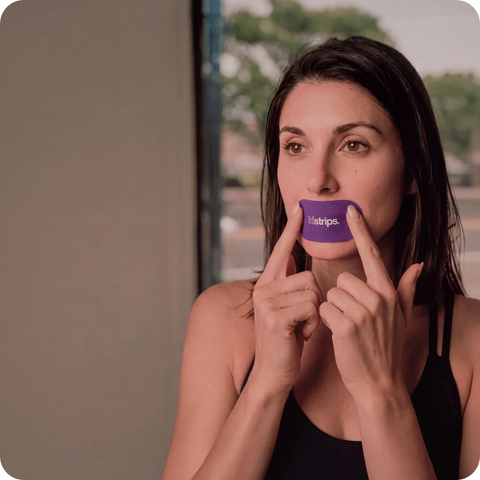
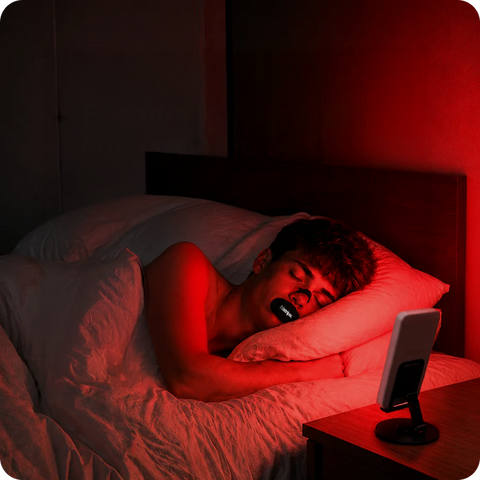
Mouth tape is most effective for what could be called compensatory snoring — snoring that occurs because nasal obstruction has forced you into mouth breathing. When you eliminate the mouth breathing through tape, the jaw stays closed, the tongue stays forward on the palate, and the throat airway stays more open. For this snoring type, mouth tape is genuinely effective.
When Mouth Tape Does Not Help
Mouth tape cannot address primary throat snoring — the kind caused by throat tissue relaxation even when breathing through the nose is possible. If you sleep with your mouth closed and still snore, mouth tape will not resolve it. And for people with sleep apnea (which is often mistaken for simple snoring), mouth tape is not a treatment.
Getting a Diagnosis First
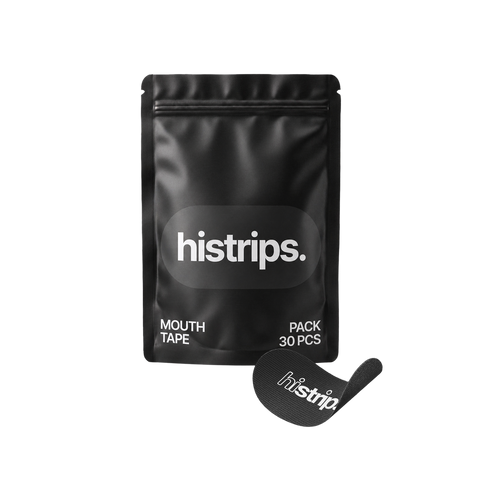
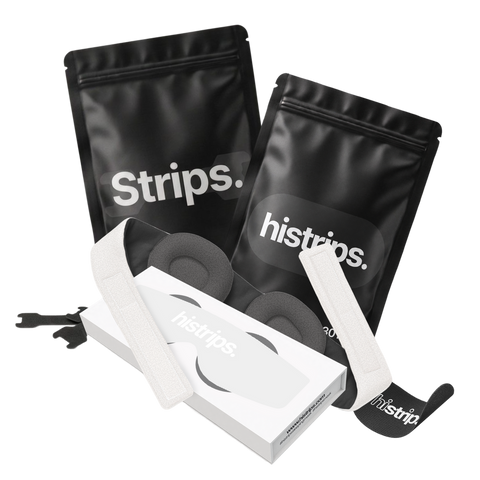
If snoring is a significant issue for you or your partner, rule out sleep apnea before treating with mouth tape. A simple home sleep study or clinical assessment can distinguish between simple snoring and apnea. Once apnea is ruled out, HiStrips Mouth Tape is an effective, non-invasive snoring intervention for the nasal-obstruction type.


Leave a comment
This site is protected by hCaptcha and the hCaptcha Privacy Policy and Terms of Service apply.